Why hard capsules move faster than any other supplement format
A two-piece hard capsule is assembled from two components that are manufactured separately and bought as stock: the shell and the fill. The shell comes in standard sizes from 000 down to 4, in gelatin or vegetarian HPMC, clear or opaque. Nothing about your formula requires a new mold, a new punch set, a coating pan or a curing room. The fill is a dry powder, pellet or granule that is dosed into the shell by volume and weight on a filling machine, then the two halves are joined and — where the specification calls for it — banded for tamper evidence.
Compare that with the formats that need tooling before the first unit exists. A tablet needs a punch and die set cut for your shape and size. A softgel needs a die and a drying tunnel. A gummy needs a depositing mold and a curing room with controlled temperature and humidity for days. A bottle of liquid needs its preservative system validated and its stability data generated before anyone can promise a shelf life. A capsule skips all of it: the same line that runs a magnesium blend on Monday can run a milk thistle extract on Wednesday, because the format does not change with the formula.
| Format | Custom tooling needed | Development batch needed | Format-specific delay |
|---|---|---|---|
| Hard capsule | None — stock shell sizes | Only for a new custom formula | None beyond powder flow and fill weight confirmation |
| Tablet | Punch and die set per shape and size | Compression trial batch | Tooling fabrication before the first run |
| Softgel | Die per shape; drying tunnel time | Fill and shell compatibility batch | Drying and settling time after encapsulation |
| Gummy | Depositing mold; curing room | Texture and flavour batch | Several days of curing before packing |
| Liquid / RTD | None for the bottle, tooling for a custom mold | Preservative challenge and stability work | Stability data before a shelf-life claim |
The full engineering detail on shell sizes, fill weight and powder flow sits in our capsule manufacturing guide. This article is about the other half of the decision: how fast the format can move, and what has to be true for that speed to hold.
What “no sample round” actually means
When a brand already has a formula — its own, or one selected from our library of more than 10,000 stock formulas — there is no development batch to run before production. The formula is matched to a shell size, the fill weight is calculated from the bulk density of the blend, and the specification is written. The first physical output is the production batch itself, released with a certificate of analysis against that specification.
For a custom formula the sequence is different, and it is worth being precise about it. A new combination of actives needs one laboratory batch to confirm that the powder flows, that the fill weight holds within tolerance and that the assay matches the label claim. What it does not need is tooling, a mold or a stability study before the first commercial run — those belong to tablets, softgels, gummies and liquids respectively. In practice a custom capsule formula adds a short confirmation batch rather than a tooling project, which is why a capsule launch can still be quoted with a production date inside the same month.
The capsule order timeline, step by step
These are the stages we work to on a stock-formula capsule project. Each one has a defined owner, and the ones on the customer side are the ones that move fastest when the brand is ready.
| Stage | What happens | Time |
|---|---|---|
| Brief and quotation | Dose, shell type, count per bottle, target market and first order quantity reviewed | 1–2 business days |
| Specification confirmation | Shell size, fill weight, excipients, label text and claims checked | 2–3 business days |
| Purchase order and materials | Actives released from stock or ordered, shell and bottle allocated | 3–5 business days |
| Production | Blending, filling, banding where required, metal detection, count and pack | 10–15 days (expedited runs from 10) |
| Quality release | Assay, microbiological and fill-weight checks against the specification | 2–3 days |
| Documents and booking | COA, specification sheet, commercial invoice and shipping documents | 2 days |
For a stock formula with materials already in house, that adds up to roughly three to four weeks from purchase order to a released, shippable batch — and the production run itself is 15 days standard, with expedited processing down to 10 days when the line has capacity. A gummy or softgel project with the same formula would still be waiting on tooling, curing or drying at that point.
Five things that still slow a capsule order down
Speed is not automatic — it is the absence of blockers. In our experience these five items account for almost every capsule project that slips.
| Blocker | Why it costs time | How to avoid it |
|---|---|---|
| Label artwork not approved | Production can finish before artwork does, but nothing ships without a released label | Approve artwork in parallel with the specification, not after production |
| Custom shell colour | A Pantone-matched opaque shell is a made-to-order component with its own MOQ and lead time | Use a stock clear or standard opaque shell for the first run; customise at the relaunch |
| An active with import lead time | One imported botanical can hold the whole batch even when everything else is in stock | Ask which materials are in stock before the PO, and accept a substitute grade only in writing |
| Probiotic assay and overage | A live culture needs a validated count method and an overage decision before the label is fixed | Agree CFU at release versus at shelf life up front |
| Claims that cannot print in a target market | A claim review that starts after artwork means reprinting cartons | Send the claim list with the brief and let the market check run with the quote |
Which formulas suit a hard capsule — and which do not
Capsules are the right format when the daily dose fits in one or two units and the actives are dry, stable powders. Botanical extracts, amino acids, mineral blends, adaptogens, nootropics and dried probiotic cultures all sit comfortably in the format, and the dry fill avoids both the heat of a tablet press and the water of a liquid. It is the wrong format when a single serving needs more than roughly 1.2 to 1.5 grams of powder, when the active must be tasted or dissolved, or when the consumer expects a chew or a drink.
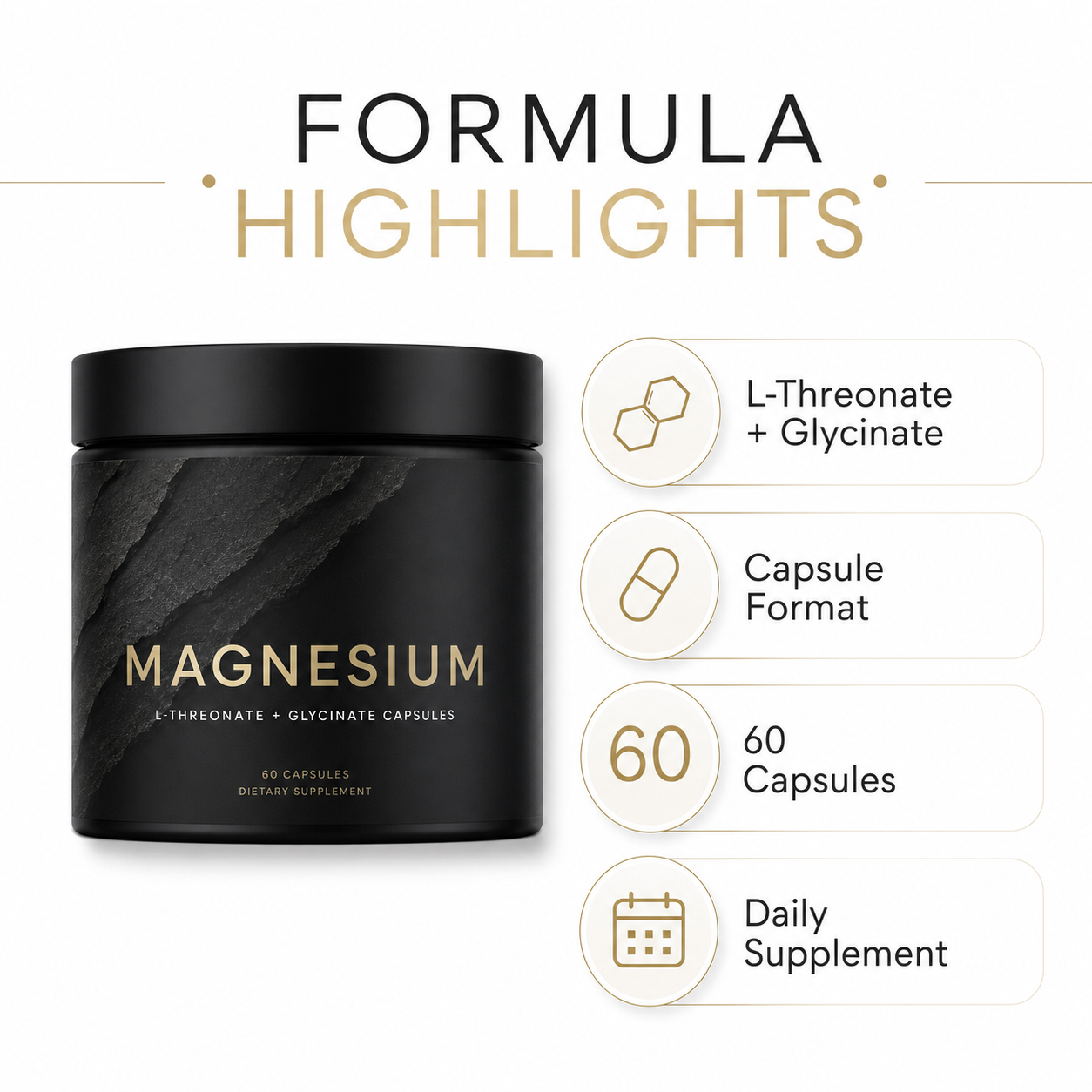
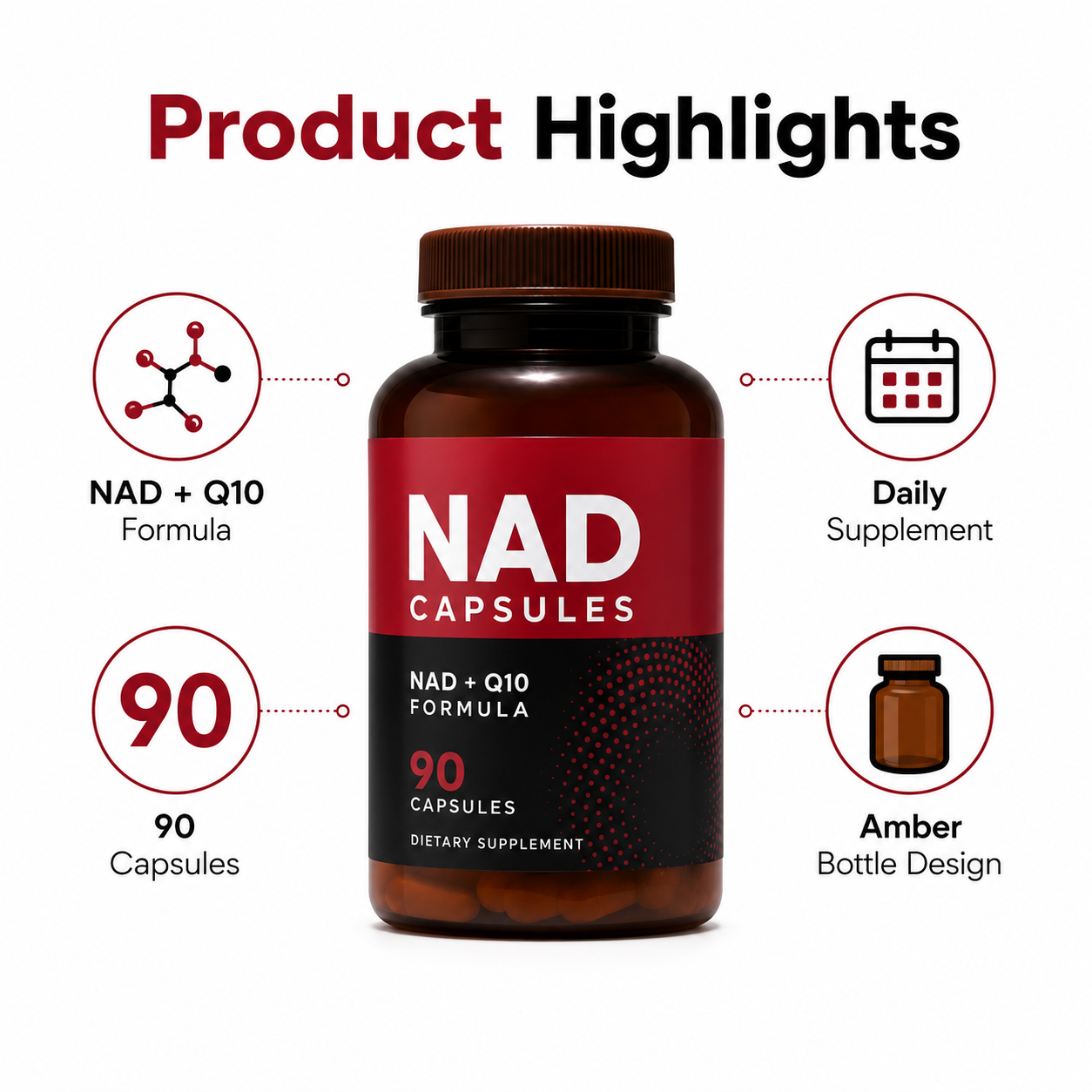
Working examples from our capsule line include a <a href="/products/capsules/magnesium-l-threonate-glycinate-capsules/">magnesium L-threonate and glycinate capsule</a> for cognitive and relaxation positioning, a <a href="/products/capsules/milk-thistle-extract-capsules-200mg/">200 mg milk thistle extract capsule</a> standardised to silymarin, an <a href="/products/capsules/nad-plus-capsules-coq10/">NAD+ capsule with CoQ10</a> for the longevity category, and a <a href="/products/capsules/probiotic-for-women-100-billion-cfu/">100 billion CFU women's probiotic</a> where the sealed shell protects a dried culture. The rest of the range is in our <a href="/products/capsules/">private label capsule catalogue</a>.
Cost structure and MOQ
A capsule SKU has four cost lines: the actives, the shell, the filling and banding time, and the bottle with its label and carton. The shell is a small line — a few cents per unit at most — which is why capsules are usually the cheapest solid dosage form per serving after plain tablets. The actives dominate, exactly as they do in every other format, so the specification is where the unit price is won or lost. Minimum order quantities start at 500 to 1,000 units per formula, and because the shell is a stock component there is no tooling charge to amortise across the first run — the economics improve with volume, but they start from a lower floor than any moulded format.
How to brief us for a same-week confirmation
Send five things and a capsule quotation can usually be confirmed within two business days: the active and dose per serving, the servings per bottle, the shell preference if you have one, the target markets, and the quantity for your first order. If you do not have a formula, say so and we will shortlist from the stock library against your positioning — that route removes the development batch entirely and is the single fastest path from idea to a production date. Label artwork and claims can follow, but starting them in parallel is what keeps the 15-day production window from stretching into a month.
Need capsules on a production date, not a development plan?
Send the dose, the count and your target markets. If you have no formula, we will shortlist stock options the same day and quote a production date with the price.
Key takeaways
- Hard capsules use stock shells in sizes 000–4 and a dry fill, so there is no mold, punch set, coating pan or curing room between brief and production.
- A stock formula skips the development batch entirely; a custom formula needs one short confirmation batch, not a tooling project.
- A stock-formula capsule order typically runs 3–4 weeks from purchase order to a released batch, with a 10–15 day production run.
- The five real causes of delay are artwork approval, custom shell colour, imported actives, probiotic overage decisions and claims that cannot print in the target market.
- MOQ starts at 500–1,000 units per formula and there is no tooling charge to amortise — the lowest entry point of any solid format.
- Capsules suit dry actives at 1.2–1.5 g per serving or less; they are the wrong choice for large doses or formats the consumer expects to chew or drink.
Frequently asked questions
Do hard capsules require tooling or a mold?
No. A two-piece hard capsule is assembled from a stock shell and a dry fill, so there is no mold, punch and die set, coating pan or curing room involved. The shell is bought in standard sizes from 000 to 4 in gelatin or vegetarian HPMC, and the filling machine doses powder into it by weight. That is why a capsule project can move to production without the tooling step that a tablet, softgel or gummy project has to clear first.
Can I order private label capsules without a sample?
Yes, when the formula already exists — either your own or one selected from our stock library of more than 10,000 formulas. In that case there is no development batch: the formula is matched to a shell size, the fill weight is calculated from bulk density, and the first physical output is the production batch, released against an agreed specification with a certificate of analysis. A brand-new custom formula still gets one short laboratory confirmation batch to check flow, fill weight and assay, but that is a batch, not a tooling project.
How long does a private label capsule order take?
A stock-formula order typically runs three to four weeks from purchase order to a released, shippable batch. The stages are one to two business days for quotation, two to three for specification confirmation, three to five for materials, a 10–15 day production run (expedited from 10 days where capacity allows), two to three days for quality release and about two days for documents and booking. The single biggest variable is how quickly label artwork and claims are approved.
What is the MOQ for private label hard capsules?
Minimum order quantities start at 500 to 1,000 units per formula depending on the fill and the packaging. Because the shell is a stock component, there is no tooling charge to amortise across the first run, which makes capsules the lowest-entry solid format we produce. Unit economics improve with volume, and a run that covers a full pallet pattern per SKU prices noticeably better than a trial batch.
Gelatin or HPMC — which shell should I choose?
Gelatin is the conventional choice: lowest cost, well proven, and appropriate for most markets. HPMC is plant-derived and suits vegetarian, vegan and clean-label positioning, and it holds up better in low-humidity conditions. Both run on the same line, so a brand can carry a gelatin SKU and a vegetarian SKU without splitting suppliers. If you intend to sell into a market where a vegetarian claim is a purchase driver, choose HPMC before the artwork is designed rather than after.
What can slow a capsule order down?
Five things account for almost every slip: label artwork approved after production instead of in parallel, a custom Pantone shell colour with its own MOQ and lead time, one imported active that holds the batch, an undecided probiotic overage, and claims that turn out to be unprintable in a target market. All five are avoidable — stock shells for the first run, a written material-status check before the purchase order, and a claims review that starts with the brief rather than after artwork.
Have a project in mind? We'll come back with MOQ, formula options and lead time within 24 hours.
Request a Quote