The capsule is a precision dosing device, not a commodity
Capsules are the default format in private label supplements for good reasons: they need no compression science, they mask taste, they suit vegan and allergen positioning, and the dose can be changed without reformulating the shell. Because the format feels commodity, many brand owners hand a brief to a factory and treat everything between the shell walls as the factory's problem. That is exactly how projects end up with a capsule that cannot hold the claimed dose, a shell that turns brittle in a humid warehouse, or a fill that is 40 percent inexpensive excipient.
In private label capsule manufacturing, a two-piece capsule is a volumetric metering device. The shell fixes the volume, the blend's density fixes how much mass fits in that volume, and the machine fixes how repeatable that mass is from capsule to capsule. Three numbers - shell size, tapped density of the blend and shell moisture - decide most of the outcome, and none of them appear on the label.
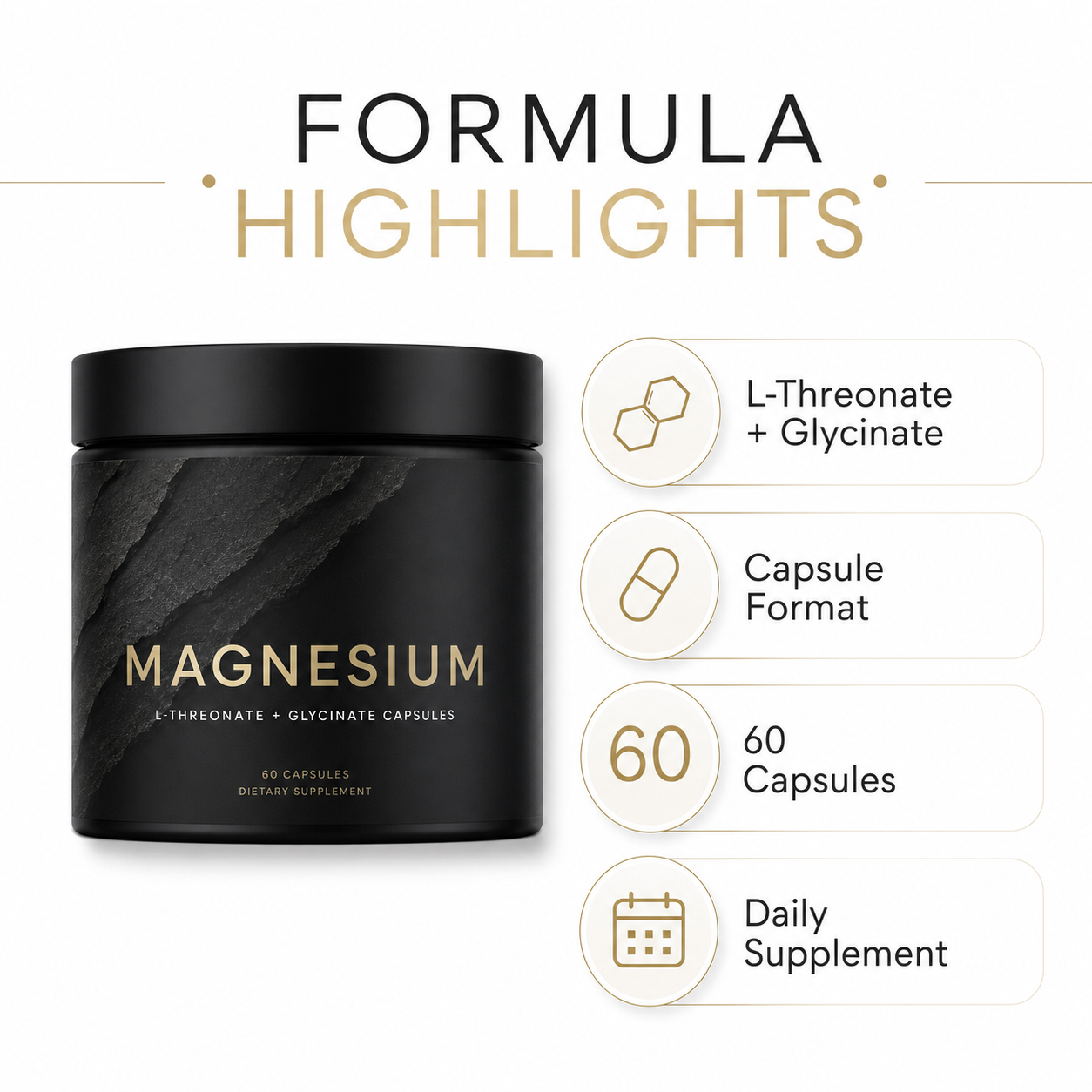
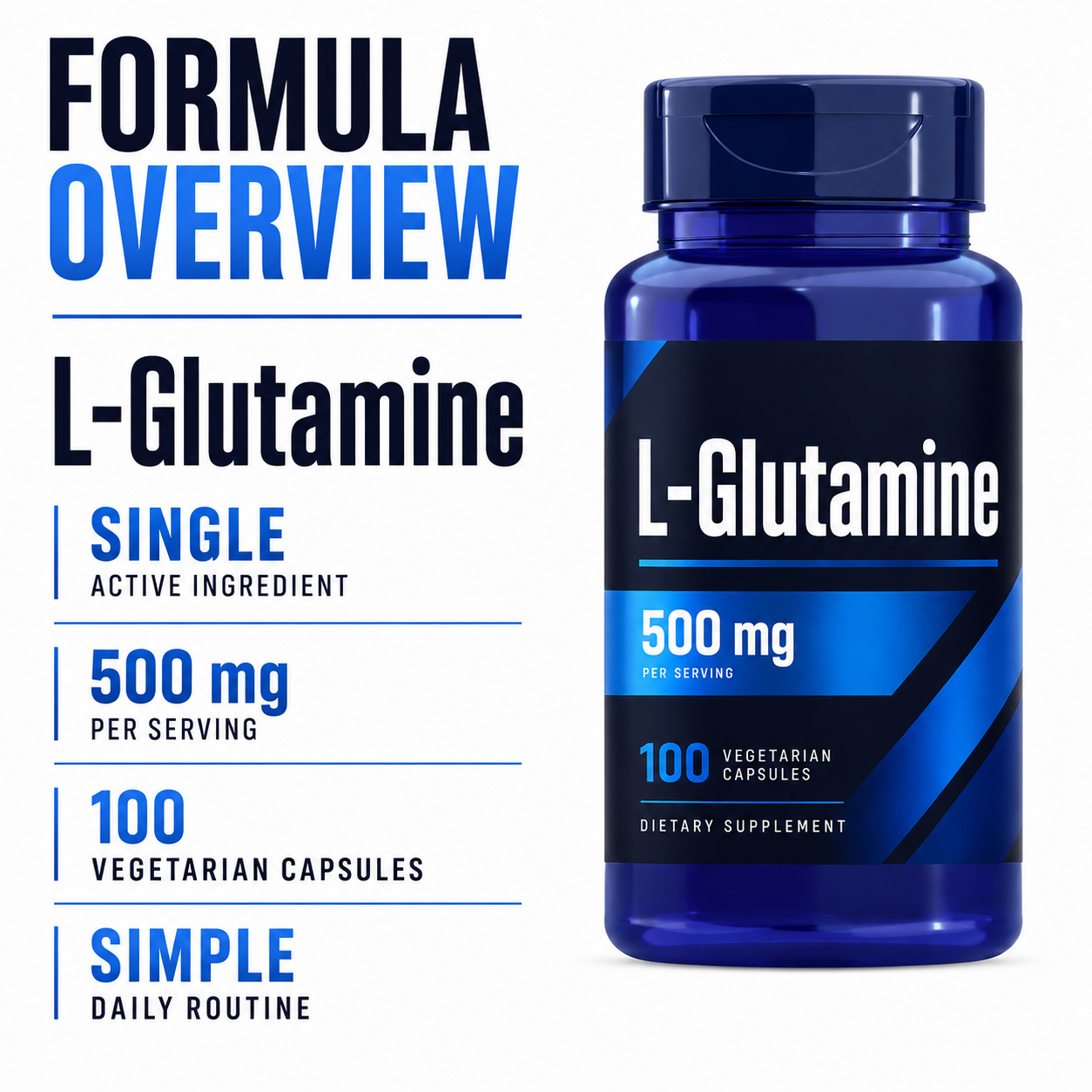
We produce hard capsules across the full capsule product range - single-ingredient actives, mineral complexes, mushroom extracts and multi-strain probiotics - alongside the wider supplement catalogue. This guide covers the decisions that run through every one of those SKUs; if you are still choosing between formats, start with our dosage form comparison and come back here once the capsule has won.
Capsule size is a volume decision, not a branding decision
Hard capsule sizes run from 000 down to 5, and the numbering runs backwards: the bigger the number, the smaller the capsule. A size 000 holds about 1.37 mL, a size 0 about 0.68 mL, a size 3 about 0.30 mL and a size 5 only 0.13 mL. Which size you land on is not a design flourish - it is the intersection of the dose your formula needs, the density your blend can actually reach, and what a consumer will swallow twice a day without complaint.
| Capsule size | Nominal volume | Fill at 0.6 g/mL | Fill at 0.8 g/mL | Fill at 1.0 g/mL |
|---|---|---|---|---|
| 000 | 1.37 mL | 820 mg | 1,100 mg | 1,370 mg |
| 00 | 0.95 mL | 570 mg | 760 mg | 950 mg |
| 0 | 0.68 mL | 410 mg | 545 mg | 680 mg |
| 1 | 0.50 mL | 300 mg | 400 mg | 500 mg |
| 2 | 0.37 mL | 220 mg | 295 mg | 370 mg |
| 3 | 0.30 mL | 180 mg | 240 mg | 300 mg |
| 5 | 0.13 mL | 80 mg | 105 mg | 130 mg |
Two practical filters sit on top of the table. First, swallowability: sizes 000 and 00 are hard for older consumers and impossible for children's lines, so most daily-use supplements settle on size 0 or smaller even when a larger shell would simplify the dose. Second, machine reality: the encapsulation machine must hold the filled capsule within a tight weight band at thousands of capsules per hour, and very light or very dense blends both push a size toward its limits. When a brand asks for 1,000 mg of active in one capsule, we check whether that is a size 000 problem or a two-capsule problem before anything else.
Fill weight comes from tapped density, not from your brief
The most common briefing error in private label capsule manufacturing is stating a per-capsule milligram target without stating the blend's density. Powder in a bag sits at its bulk density; after tapping, vibration and machine compaction it settles at its tapped density, which can be 20 to 40 percent higher. Fill weight is a function of shell volume and tapped density, not of the number on the brief. A fluffy botanical powder at 0.4 g/mL tapped density cannot reach 500 mg in a size 0 no matter how the machine is tuned - the blend either gets densified through granulation or spray-dried raw material, the dose gets split across two capsules, or the shell gets bigger. Each of those levers moves cost somewhere else.
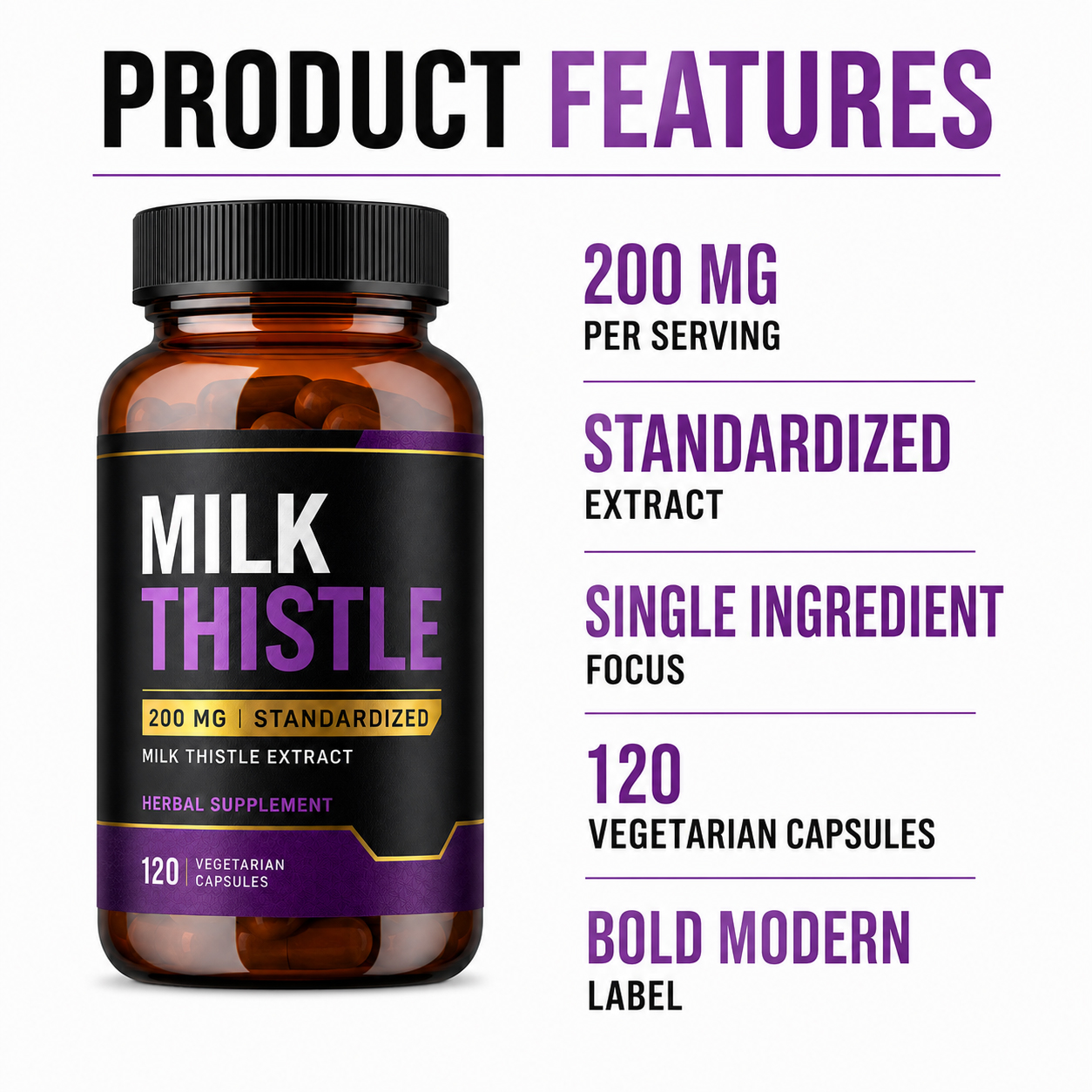
The spread across real formulas is wider than most buyers expect. From our own capsule catalogue, the same nominal 'capsule' carries anything from 200 mg of standardized extract to over 1,100 mg of a dense mineral blend:
Read that chart as a density story, not a potency story. Creatine and HMB fill heavy because the raw material crystallizes dense; standardized botanical extracts fill light because they are spray-dried onto carriers and sit at 0.35 to 0.55 g/mL. When a competitor's capsule claims the same dose in fewer capsules, the difference is usually blend density and capsule size - not a better raw material.
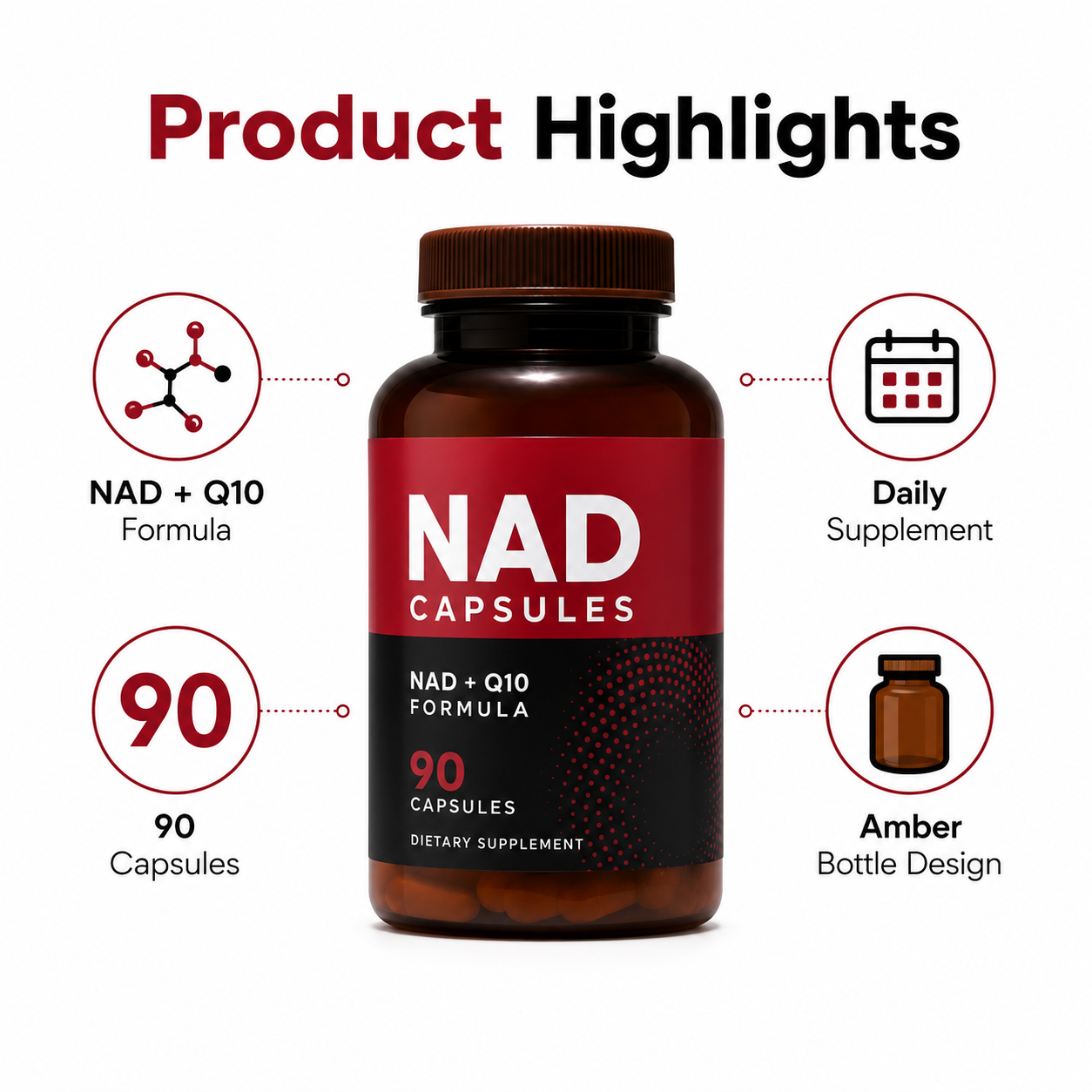
Our densest catalogue formulas show both ends of the lever: HMB at 1,000 mg per capsule leans on a dense crystalline raw material, while NAD+ and trans-resveratrol at 750 mg per capsule spreads 1,500 mg of active across two vegetable capsules to stay inside a swallowable shell.
Shell material: gelatin versus HPMC
The shell is roughly 20 to 30 percent of the capsule's total weight and a much larger share of its failure modes. Bovine gelatin remains the default: it runs on every encapsulation machine, costs less and dissolves fast. Hypromellose (HPMC) vegetable shells cost more but hold less water - about 4 to 6 percent shell moisture versus 13 to 16 percent for gelatin - which matters more than any marketing difference.
| Property | Bovine gelatin shell | HPMC vegetable shell |
|---|---|---|
| Shell moisture | 13-16 percent | 4-6 percent |
| Best-fit fills | Standard dry powders, stable minerals and vitamins | Hygroscopic fills, enzyme and live-culture products, moisture-sensitive actives |
| Dissolution risk on stability | Cross-linking with aldehyde-bearing fills can form a film and slow dissolution | No cross-linking behavior |
| Dietary positioning | Bovine origin; not vegetarian | Plant-based; suits vegan, Halal-friendly and bovine-free briefs |
| Relative shell cost | Baseline | Roughly 1.5 to 2 times gelatin |
| Machine compatibility | Universal | Runs on standard two-piece encapsulation lines |
The row that saves the most money is the one nobody asks about. Gelatin is chemically reactive: aldehydes and reducing sugars in some botanical extracts and flavors cross-link with the shell protein during storage, forming an insoluble pellicle that slows dissolution. The capsule can pass every test at release and fail its six-month accelerated stability dissolution - which means the batch is reworked or scrapped months after the money was spent. If your formula contains certain plant extracts, ask which shell the stability data was generated on. Moving to HPMC, adjusting the fill system or adding a protective excipient are all cheaper than a failed stability study.
Hygroscopic fills pull water out of a gelatin shell until it turns brittle and cracks in the bottle - a failure that appears on shelf, not at release. If your active is hygroscopic, the shell is a packaging decision: HPMC shell, foil blister or a desiccant, chosen before the formula is frozen, not after the first cracked bottle comes back from an Amazon review.
Excipients are the invisible half of the fill weight
A 500 mg capsule is rarely 500 mg of active. Microcrystalline cellulose carries volume, colloidal silicon dioxide keeps the blend flowing, and magnesium stearate keeps it from sticking to the machine - typically 0.5 to 1 percent of the fill. This is normal and honest formulation. What separates a good capsule from a lazy one is whether the excipient system was designed around the active's flow behavior or copied from the last job.
The inside-the-industry detail is blend time. Magnesium stearate is a lubricant, and lubricants work by coating every other particle. Blend a powder with magnesium stearate for more than about 5 to 10 minutes, or push it above roughly 1 percent, and you over-lubricate: the blend flows beautifully on the machine and disintegration slows on the finished dose, because the same hydrophobic film that helps the machine keeps water out. Production practice is to add the glidant first, blend, then add the lubricant last and blend as briefly as the process allows. A buyer never sees this parameter, but it shows up in the dissolution result.
Granulation is the usual fix, and it is worth understanding what you are buying. A wet or dry granulation step densifies the blend before it reaches the filling machine, converting a fluffy 0.4 g/mL powder into a free-flowing granule that meters precisely and packs predictably. The costs are a drying stage, a mill screen, a density check on the granule and typically a few days of schedule - modest, and far cheaper than discovering at filling that your hero dose does not fit the shell you already printed artwork for. Co-processed and spray-dried grades of some actives reach the same result with no extra step at all, at a higher raw material price.
Particle size behaves the same way from the other end. Very fine milled powders - anything much below roughly 100 mesh - aerate and flood in the dosing disc, which shows up as capsule-to-capsule weight variation. Coarser granulations flow predictably but pack less mass per shell. The working target is a blend with a Carr index comfortably under about 20 percent; if the raw material cannot get there, the fix is a granulation step or a co-processed grade, and both are quoted as line items.
Count per bottle is a cost decision disguised as a packaging decision
Bottle counts of 60, 90 and 120 look like marketing choices, and they are - but they are also cost multipliers that interact with capsule size. A bottle that holds 120 size 0 units may hold only 90 size 00 units, which can force a bigger, more expensive bottle per unit, more desiccant, more filler and more freight volume per dose delivered. The count also sets the production arithmetic: at our standard minimum of 500 units, a 120-count bottle is 60,000 filled capsules and a 30-count bottle is 15,000 - same setup work on the line, spread across very different volumes.
Freight closes the loop. Supplement bottles ship by volume, not by weight, so a bottle chosen one size up for the same count adds a double-digit share to per-unit landed cost once pallets are calculated. Desiccant, cotton or a molded tray add pennies per bottle and protect months of shelf life in humid destinations, which makes them a first-quotation item rather than an afterthought once a container arrives with soft shells.
The practical sequence we run with brand partners: fix the daily dose and serving size first, derive the capsule size from the blend's tapped density, choose the count from the positioning (daily, monthly or value format), and only then cost the bottle. Running it backwards - falling in love with a 30 mL bottle and then discovering the capsule count does not fit - is a small delay repeated on half the first projects we see.
What a real capsule release specification contains
Capsules are the easiest dosage form to test, which is why thin release documents are a red flag. In private label capsule manufacturing the release specification is effectively the contract: everything you will later wish you had asked for either lives there or does not exist. A finished batch of hard capsules should be released against a specification that reads like this:
| Parameter | Typical limit | Why a brand owner should care |
|---|---|---|
| Disintegration | Not more than 15 minutes in water at 37 C | The capsule must open up before the consumer's stomach cares what was inside |
| Fill weight variation | Individual capsules within about 5 percent of target | Weight drift is the first sign of a blend flow problem on the line |
| Shell moisture | 13-16 percent gelatin; 4-6 percent HPMC | Outside the band the shell gets brittle or soft and cracks in the bottle |
| Microbiology | Total aerobic count below 1,000 CFU/g; yeasts and molds below 100 CFU/g; E. coli absent | Standard dietary supplement micro limits; botanicals are where this fails first |
| Identity and potency | Each active identified and within spec of the label claim | Protects the label from the only mistake consumers never forgive |
Ask to see a completed lot's certificate against this shape, not a one-page pass certificate. The difference between a document that names methods, limits and results and one that prints a row of check marks is the difference between a factory and a trading company.
How those documents fit into market access - FDA structure-function rules, cGMP expectations and Halal certification - is covered in our guide to global supplement regulations. For capsules the Halal question lands on the shell: a bovine gelatin shell needs certified Halal slaughter documentation, while an HPMC shell sidesteps the question entirely.
MOQ, lead times and a realistic capsule schedule
Our standard minimum for private label capsule manufacturing is 500 units per product, and on an established format with stock packaging a production run completes in about 15 days, with expedited processing down to 10 days. The schedule stretches for two reasons that are specific to capsules: a custom shell color or two-tone shell adds shell production and minimum-quantity constraints at the shell supplier, and a blend that needs granulation adds a processing step before encapsulation even starts.
Expedited runs compress the production window by overlapping steps that would otherwise queue - shell receipt, blending, filling, polishing and packaging inspection - and they work because filling a validated formula is a short, well-understood operation. What an expedite fee cannot compress is the shell supplier calendar for a custom color or the granulation queue for a dense blend, which is why the checklist at the end of this guide asks you to settle both before the purchase order.
The full arithmetic - how artwork, bottle choices and count move both the minimum and the calendar - is set out in our guide to MOQ and lead times in supplement manufacturing. The short version for capsules: the shell is ordered before your artwork is approved, so lock the shell decision early. If speed to market is the deciding factor, our hard capsule fast-track guide sets out the order timeline, what a no-sample round actually means and the five things that delay a capsule project.
A pre-brief checklist for a capsule project
- State the daily dose and serving size before discussing capsule size, shell or count.
- Ask for the blend's tapped density, not just the ingredient list - it is the number that decides what fits in a shell.
- Check whether the target fill weight lands in a swallowable size 0 or 1; if it needs a 000, ask whether two smaller capsules serve consumers better.
- Decide gelatin versus HPMC from the fill's hygroscopicity and your positioning, not from a price list alone.
- If the formula contains botanical extracts, ask whether the stability data was generated on the same shell chemistry you are buying.
- Request the lubricant level and blend time in the process description; over-lubrication shows up as slow dissolution months later.
- Confirm the release specification covers disintegration, fill weight variation, shell moisture, microbiology and per-active identity.
- Fix the count per bottle together with capsule size and bottle volume, then cost the packaging once, not three times.
- If a Halal or vegan claim applies, settle the shell before the formula is frozen - it changes the shell supplier and the documentation.
- Lock the shell color early: custom shells carry their own minimums and lead times ahead of the production run.
Planning a private label capsule product?
Send us the active, the target dose per serving and your destination market. You will get an itemised factory quotation with shell type, fill weight, count and packaging costed separately, plus a sample plan and a free formulation consultation - NDA protected.
What to carry into your capsule project
- Capsule size fixes volume, tapped density fixes mass - the fill weight on your brief must survive both.
- A blend that cannot reach the dose in a swallowable shell is a granulation or a two-capsule decision, not a tuning problem.
- Shell moisture is a formulation input: hygroscopic fills belong in HPMC or in barrier packaging, not in the cheapest shell.
- Over-lubricated blends run beautifully and dissolve slowly; ask for lubricant level and blend time.
- A release specification with methods, limits and results is the cheapest due diligence you will ever do.
Sources
- US FDA - Dietary supplements: overview of cGMP requirements (21 CFR Part 111) and labeling rules
- USP - Disintegration and dissolution standards for dietary supplements
- Yukang Medicine internal production records for capsule SKUs and completed capsule projects
Key takeaways
- Capsule size is a volume decision: 000 to 5 runs from 1.37 mL down to 0.13 mL, and the dose must fit the shell the consumer can swallow.
- Fill weight equals shell volume times tapped density - a fluffy blend cannot hit a heavy target without granulation or a bigger shell.
- Gelatin holds 13 to 16 percent shell moisture, HPMC 4 to 6 percent; hygroscopic fills and live cultures belong in the drier shell.
- Gelatin cross-links with aldehyde-bearing botanicals on stability; ask which shell the dissolution data was generated on before you commit.
- Our capsule minimum is 500 units with about 15 days standard production, 10 days expedited - but custom shells order first, so lock them early.
Frequently asked questions
How much powder actually fits in a size 0 capsule?
A size 0 capsule holds about 0.68 mL, so the real answer depends on your blend's tapped density: roughly 410 mg at 0.6 g/mL, 545 mg at 0.8 g/mL and 680 mg at 1.0 g/mL. Dense crystalline actives reach the high end; spray-dried botanical extracts often sit near 0.4 to 0.5 g/mL and land closer to 300 to 400 mg. If your brief demands more than the density allows, the honest fixes are granulation, a bigger shell or splitting the dose across two capsules.
Should I choose gelatin or HPMC vegetable capsules?
Choose by the fill, then by positioning. Gelatin is cheaper and universal, but it holds 13 to 16 percent shell moisture and can cross-link with certain botanical extracts during storage, slowing dissolution. HPMC holds only 4 to 6 percent moisture, does not cross-link, and suits vegan, Halal-friendly and bovine-free positioning at roughly 1.5 to 2 times the shell cost. For moisture-sensitive actives, enzymes or probiotics, the drier HPMC shell usually earns its price; for standard mineral and vitamin fills, gelatin is the economical default.
Can hard capsules be filled with liquids or oils?
Yes, but it is a different product. Liquid and paste fills in two-piece hard capsules require banding or sealing the cap-to-body junction so the fill cannot leak, plus fill weights expressed in milligrams of liquid rather than powder volume. Oil-soluble actives such as some herbal extracts run well this way; water-heavy fills are generally avoided because they migrate into the shell. For most oils, a true softgel or a sealed hard capsule are the two honest options - ask which line the factory actually runs before assuming both.
What is the MOQ for private label capsules?
Our standard minimum is 500 units per product. At a 60-count bottle that means 30,000 filled capsules, which is enough for the encapsulation line to hold weight variation tight while keeping the entry cost low for a first-time brand. Stock packaging keeps you at the floor; custom-printed bottles, custom shell colors and granulated blends each add setup cost or lead time. We confirm the exact figure against your packaging and shell choices in the quotation.
How is capsule quality checked before shipping?
A finished batch should be released against a specification covering disintegration (typically not more than 15 minutes in water at 37 C), fill weight variation (individual capsules within about 5 percent of target), shell moisture for the shell type, microbiology against standard dietary supplement limits, and identity and potency of each active. Ask for a completed lot's certificate that names methods, limits and results rather than a one-page pass - that document is the fastest way to tell a factory from a trading company.
How long does a custom capsule project take?
Plan in phases. Formula development and sampling typically runs several weeks to a few months depending on how far the concept sits from stock; then custom packaging adds its own cycle. On an established format with stock packaging, production completes in about 15 days, or 10 days expedited. Two capsule-specific items can stretch the front end: a custom shell color, which is ordered from the shell supplier before production, and a blend that needs granulation to hit its fill weight.
Have a project in mind? We'll come back with MOQ, formula options and lead time within 24 hours.
Request a Quote