Why women's health formulas cost more than a multivitamin
Brands ordering private label women's health supplements usually expect the cost structure of a generic multivitamin, and the mismatch surfaces at the sample stage when a 4 g inositol dose turns out not to fit the bottle already printed on the packaging mock-up. The cause is arithmetic, not opinion. A mainstream multivitamin carries its actives in micrograms and low milligrams: 25 mcg of vitamin D, 2.4 mcg of vitamin B12, 18 mg of iron. A women's health formula carries grams. Myo-inositol is studied at 2,000 mg twice a day, collagen at 5 to 10 g, cranberry extract at 500 mg, magnesium at 100 to 200 mg of elemental mineral.
Moving a formula from microgram doses to gram doses multiplies raw material cost per bottle, rules out dosage forms that were never going to hold the dose, changes the pack cube that ships, and changes how many units women have to swallow each day. Brands still crowd into the category for a reason. In the public TikTok Shop United States supplement ranking for September 2026, the three listings classified as hair, skin and nail products converted into roughly USD 3.66 million of tracked sales, about USD 1.22 million per listing, against under USD 0.5 million per listing for the collagen beauty grouping next to it. That is a snapshot of a public platform ranking rather than any manufacturer's order book, and 30.1 percent of those listings carried no identifiable dosage form, so read it as a directional signal about where value concentrates. Beauty-adjacent women's formulas sell in high-value bundles, and bundles are where dose and format decisions decide whether the unit economics work.
Can your dose actually fit the format you picked?
For private label women's health supplements, every dosage form has a physical ceiling, and that ceiling is hit before the flavour discussion is finished. A size 0 hard capsule holds about 0.68 mL of powder, roughly 400 to 500 mg of a typical blend at a tapped density near 0.7 g/mL, and a size 00 shell holds about 0.95 mL. A 12 mm round tablet presses to about 700 to 800 mg at a hardness that still passes friability. A 2.5 to 3 g pectin gummy carries perhaps 600 to 1,200 mg of powdered active before the texture turns rubbery. A stick pack carries 4 to 6 g, and a 15 mL liquid serving can hold several grams if the actives dissolve.
| Dosage form | Realistic active load per serving | Women's health actives that fit | Where the format breaks |
|---|---|---|---|
| Hard capsule (size 0-00) | 300-1,000 mg per capsule, 1-2 capsules per serving | Iron 18-27 mg, folate 400 mcg-1 mg, biotin 5,000-10,000 mcg, vitamin D3, collagen 500 mg | Cannot reach a 2,000 mg inositol dose without three or four capsules per serving |
| Tablet (10-12 mm) | 700-1,500 mg per tablet | Women's multivitamin and mineral, magnesium, chewable calcium, cranberry 500 mg | A 4 g daily dose becomes an impossible daily swallow count |
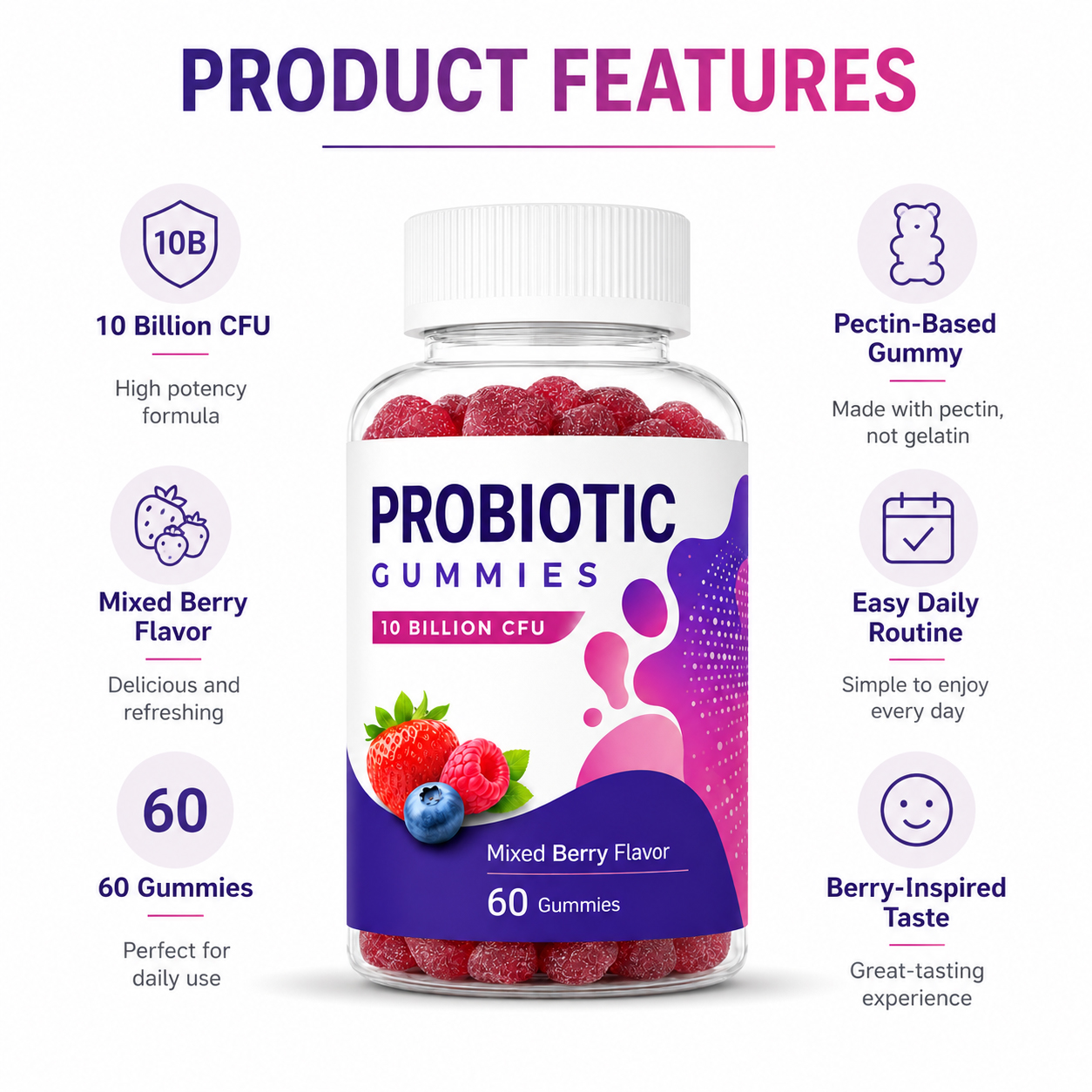
| Pectin gummy (2.5-3 g, 2 per serving) | 600-1,200 mg per serving | Biotin, vitamin D3, methylfolate, multivitamins for women, probiotics, apple cider vinegar | Heat-sensitive actives lose potency in the cook step and sugar-free bases pick up moisture |
| Softgel | 400-1,000 mg of oil fill | Omega-3 DHA and EPA for women, vitamin D3, evening primrose oil, CoQ10 | Carries oil-soluble actives only, and the shell choice limits some markets |
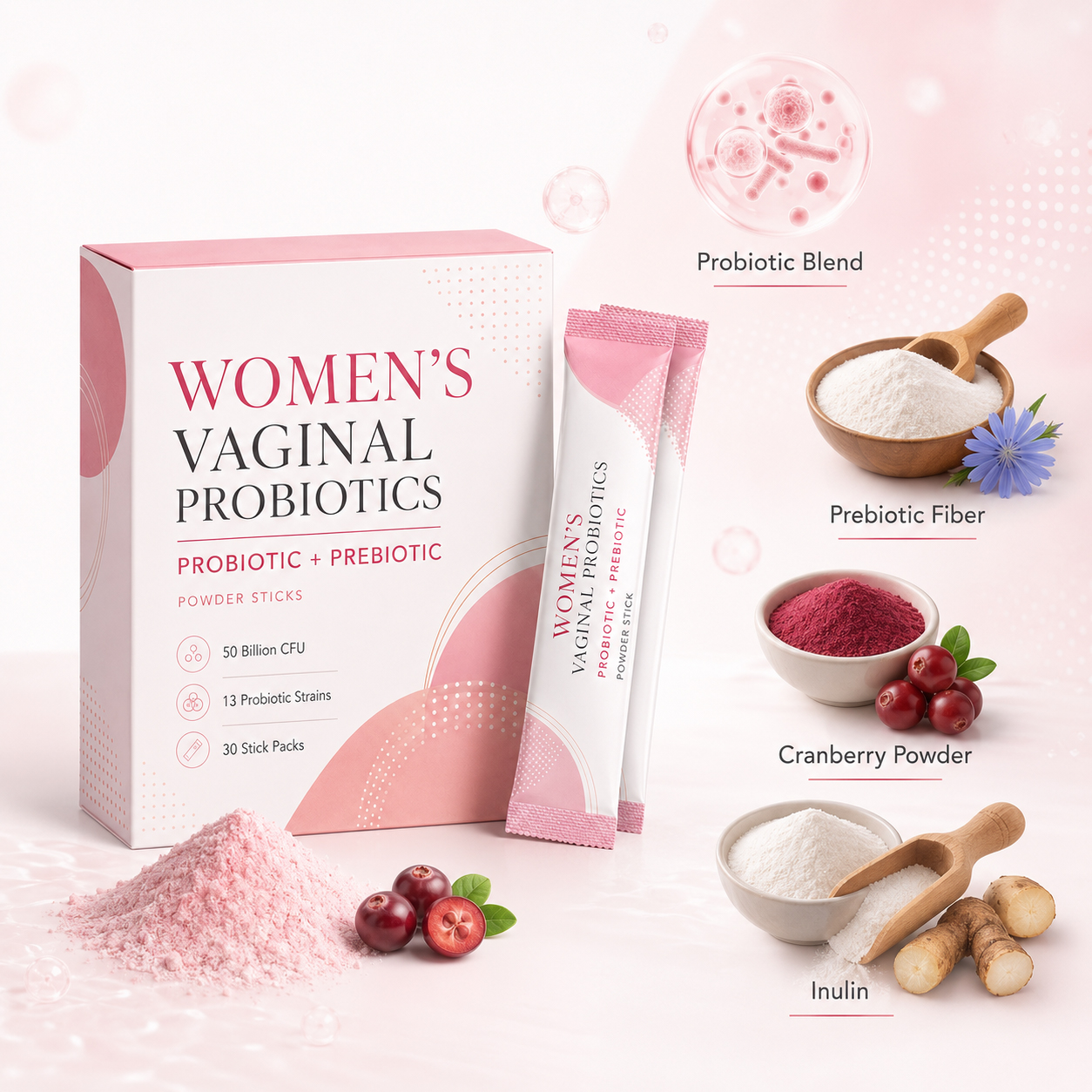
| Stick pack or sachet powder | 3,000-6,000 mg per sachet | Inositol at 4 g per day, collagen 5-10 g, probiotic blends, electrolytes, greens | Per-unit packaging cost is the highest of any format and a moisture barrier is mandatory |
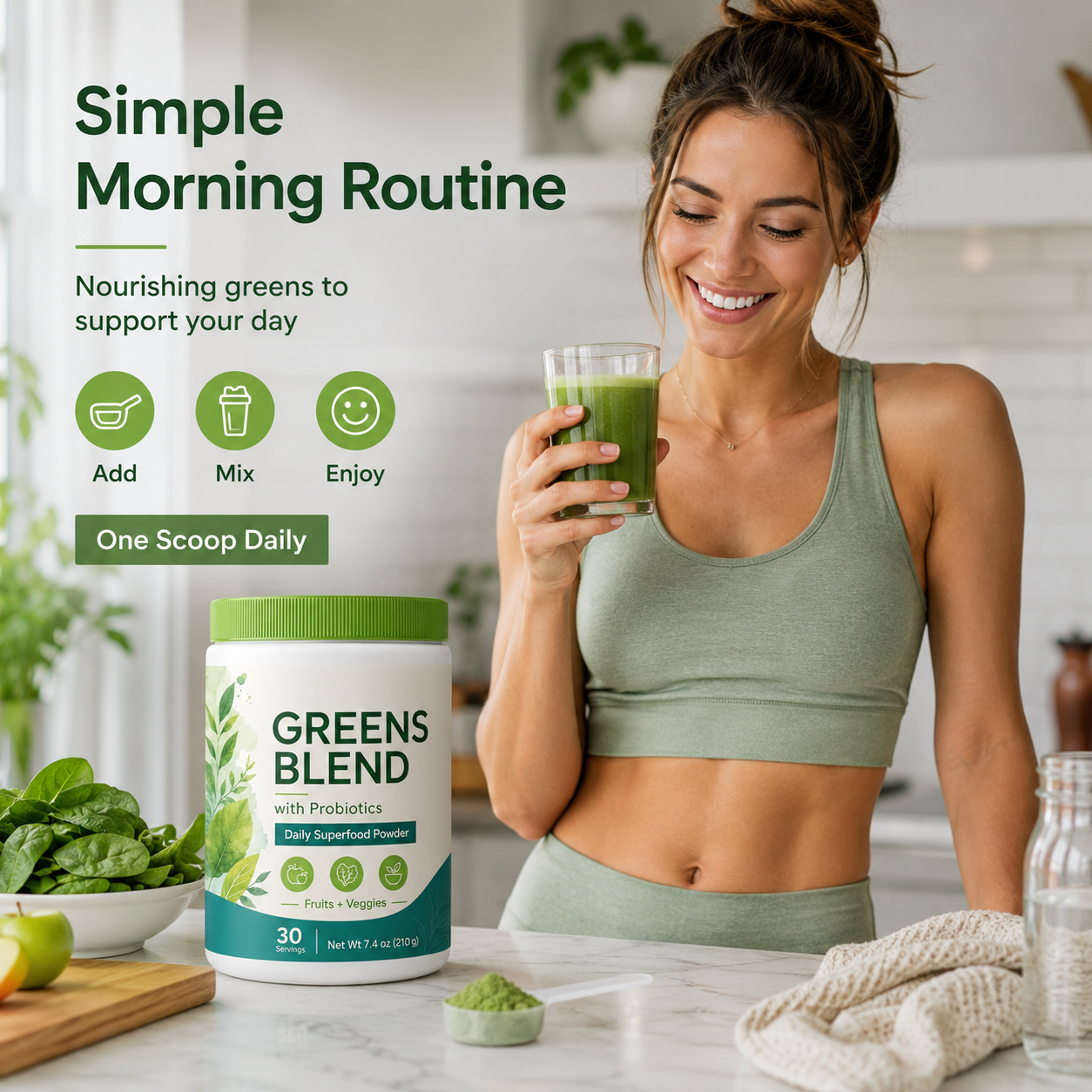
| Powder tub with scoop | 5,000-15,000 mg per scoop | Collagen, protein, greens, inositol for women, fibre blends | Scoop accuracy varies and the cube is expensive to ship and to shelve |
| Oral liquid or dropper | 2 mL dropper for microgram to low-milligram actives, 15-30 mL for grams | Vitamin D3, biotin, vitamin B12, chlorophyll, liquid multivitamin for women | Preservative system, pH window and drop-count validation each add development time |
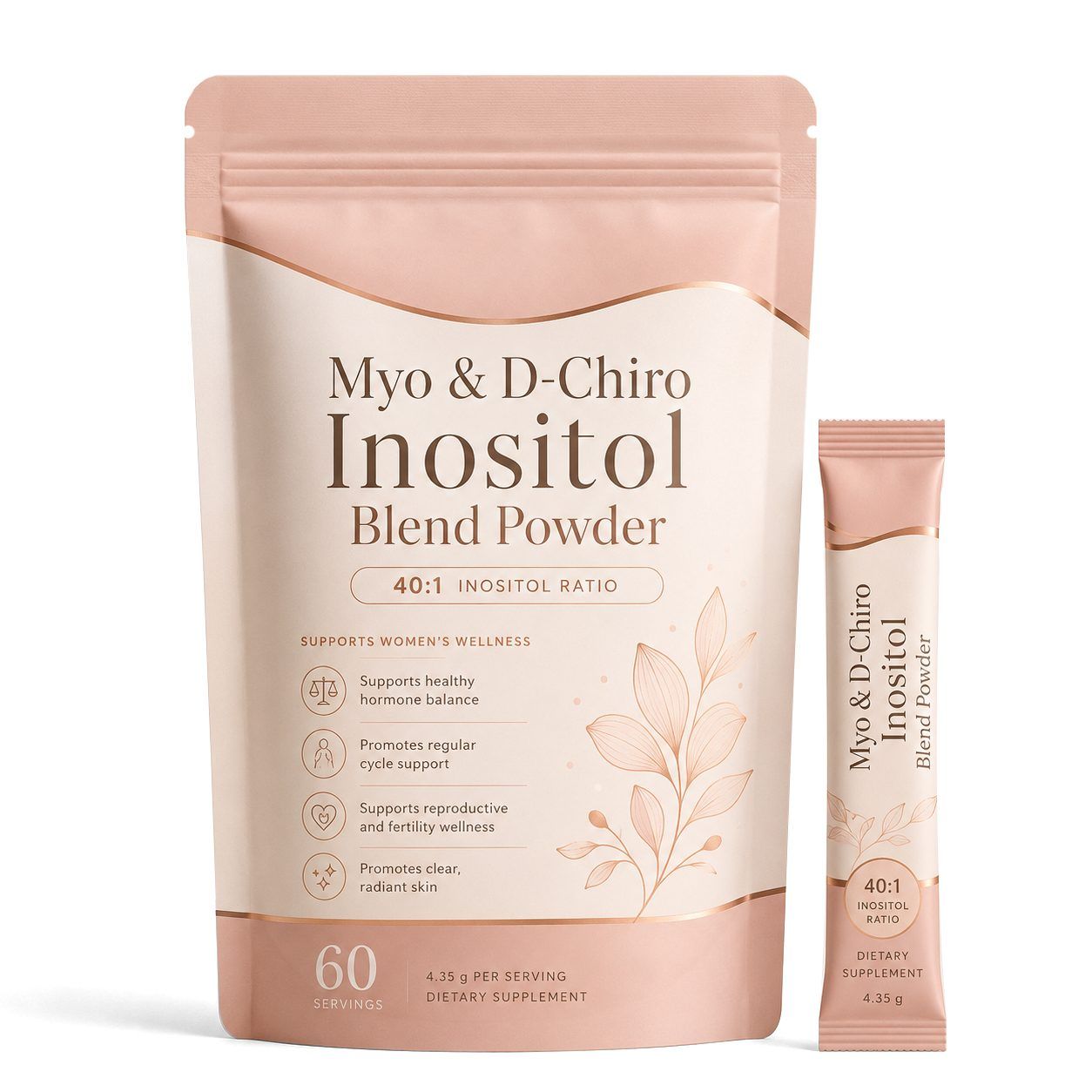
This is the most useful document in a women's health brief, because it converts a marketing preference into an engineering constraint. Two thousand milligrams of myo-inositol occupies roughly 3 mL of bulk volume once tapped, so a capsule-based formula realistically runs two to four capsules per serving for a full dose. That is why a 30-day supply of inositol capsules is a 60 or 120 count bottle, while the powder route lets the same daily dose disappear into one 4.35 g sachet with a single open-and-mix step.
Read that chart with its caveats attached. It covers one hundred publicly ranked listings on one platform in one month, 30.1 percent of which could not be assigned a dosage form, so the shares describe identified formats rather than the market, and a platform ranking is not an order book. What it does show is that powders and drink mixes take the largest identified share of units, that gummies take more units per listing than capsules do, and that gram-level actives push women's formulas towards powder while microgram actives stay in capsules and gummies.
Is inositol a powder product or a capsule product?
Inositol is the clearest example of an active that a dosage form can rule in or out. The formulation most clinical work settles on is 2,000 mg of myo-inositol plus 50 mg of D-chiro inositol taken twice a day, which is a 4 g daily dose split across two servings and continued for three to six months by women following the protocol. The 40:1 ratio is not decoration: a controlled comparison of seven different myo-inositol to D-chiro ratios, each given as 2 g of total inositols twice daily for three months in women with polycystic ovary syndrome, found that 40:1 was most effective at restoring ovulation and that shifting the ratio further towards D-chiro reduced the benefit rather than increasing it.
Two consequences show up on the invoice for any women's health brand. First, the ratio is a specification to defend in writing rather than a badge for the front of pack. Second, a ratio is not a dose. A blend printed as 40:1 delivering 500 mg of total inositols is not the same product as one delivering 2,000 mg of myo-inositol with 50 mg of D-chiro, even though both can print the same three characters. Quotes compared on the ratio alone can differ by a factor of four on raw material cost, which is why a specification sheet has to state absolute milligrams per serving.
Both routes are legitimate and both are in production. Our inositol supplement for women pairs 2,000 mg of myo-inositol and 50 mg of D-chiro inositol with omega-3 fatty acids, magnesium, zinc, vitamin B6, folate and vitamin B12 in a two-capsule serving, with 60 capsules to a bottle for a 30-day supply. The powder route carries the same daily dose in a 4.35 g sachet. Neither is superior in the abstract; they answer different questions about what women will actually finish.
One formulation detail is easy to miss until a batch is on stability. Inositol is a sugar alcohol, and single servings above roughly 6 g are more likely to cause loose stools in some women, which is why the studied protocol splits the dose into two administrations and why sachet products are often cartoned 30 or 60 count with a two-per-day direction. A gummy cannot carry the dose comfortably, capsules need three or four units per serving, and a 15 mL liquid can carry it if the flavour system masks the natural sweetness.
How much biotin should a hair, skin and nails formula contain?
Hair, skin and nails formulas for women are the most crowded shelf in the category and the one where label numbers run furthest ahead of the evidence. The adequate intake for biotin is 30 mcg a day for adults, with no interference reported at that level. Commercial products commonly deliver 5,000 to 10,000 mcg per serving, which is 160 to 330 times the adequate intake. Our own hair, skin and nails powder project runs at 6,000 mcg of biotin per serving with vitamin A and the antioxidant vitamins C and E in a 280 g pouch holding 80 servings, and the biotin drops project delivers 10,000 mcg per 2 mL serving.
What the evidence supports is narrower than the shelf suggests. Biotin deficiency is uncommon, and supplementation in women who are not deficient has limited support for hair growth, with the clearest signal coming from brittle nail syndrome rather than general hair density. What is not in doubt is the analytical risk. The FDA has warned that biotin can interfere with immunoassays built on biotin-streptavidin binding, producing falsely low troponin results and incorrect thyroid and hormone tests, with interference associated with plasma concentrations above roughly 10 ng/mL, a level reachable from supplemental doses in the milligram range. Some hospital laboratories advise stopping biotin at least twelve hours before a blood draw, and a healthcare-provider advisory on the label of any women's hair, skin and nails product is now the sensible default.
That is the difference between a formulation decision and a marketing decision, and brands developing women's health products should keep the two apart. Dropping to 300 mcg solves nothing commercially: a hair gummy at 300 mcg sits next to 10,000 mcg competitors and loses. The evidence changes what you may claim to consumers, not what you may sell. Formulate to the category's number, print the healthcare-provider advisory, write a plainly worded FAQ, and decline to claim that a higher dose works better than a lower one, because the literature does not support it.
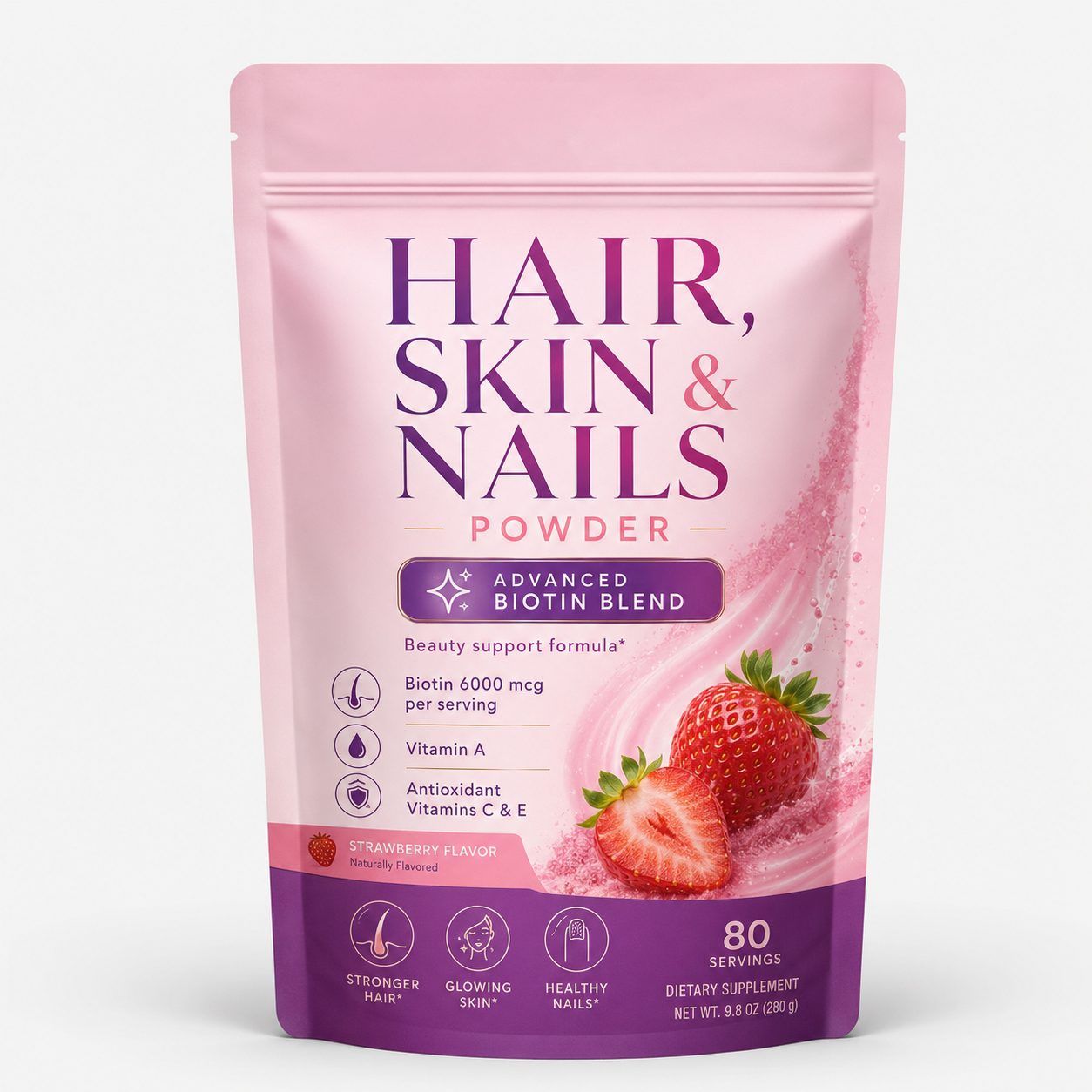
Raising biotin from 6,000 to 10,000 mcg per serving moves raw material cost by cents per unit. Spend that money on the moisture barrier and the flavour system instead. A hygroscopic powder that cakes inside the pouch generates refunds and one-star reviews, and neither is fixed by a bigger number on the front of pack. The two cost lines that decide how a powder beauty product bought by women reviews are the anti-caking system and the seal quality, not the active.
What can you legally say on a women's health label?
This is where a women's health project takes longer than a generic multivitamin, because the same formula needs different words in different markets. A United States dietary supplement label may carry a structure or function claim with the DSHEA disclaimer. In the European Union, wording is drawn from the Register of authorised health claims, an ingredient with no entry in the Register cannot carry a health claim in any phrasing a woman would read as one, and claims are dose-linked, so a claim authorised at 250 mg of DHA cannot appear on a product delivering 80 mg.
| Active | Reference point | Wording that holds up | Wording to avoid |
|---|---|---|---|
| Myo-inositol and D-chiro inositol | Ratio comparison trial at 2 g twice daily for three months in women with PCOS; no entry in the EU Register for inositol | US structure or function wording with the DSHEA disclaimer; describe the dose and the ratio rather than an outcome | Treats PCOS, restores ovulation, regulates hormones, balances blood sugar |
| Biotin | Adequate intake of 30 mcg per day; FDA safety communication on laboratory test interference | Contributes to the maintenance of normal hair and skin (an authorised EU claim); state the dose accurately | Grows hair, stops hair loss, stronger nails in 30 days |
| Iron | Recommended dietary allowance of 18 mg for women aged 19 to 50 and 27 mg in pregnancy | Contributes to normal formation of red blood cells and haemoglobin; reduces tiredness | Cures anaemia, replaces iron therapy, safe at any dose without medical advice |
| Folate and methylfolate | 400 mcg of folic acid recommended for women of childbearing age; EU claim for maternal tissue growth in pregnancy | Folate contributes to normal cell division; supports maternal tissue growth during pregnancy | Prevents birth defects, guarantees a healthy pregnancy |
| Probiotics | CFU is a release and end-of-shelf-life specification, not a health claim; the EU treats the word probiotic as an unauthorised claim | US structure or function wording with the disclaimer; state CFU at end of shelf life and the test method | Treats bacterial vaginosis in women, cures yeast infections, restores vaginal flora |
| Omega-3 DHA and EPA | EU claims for maintenance of normal vision and brain function at 250 mg DHA and EPA, heart function at 250 mg | DHA contributes to the maintenance of normal vision; EPA and DHA contribute to normal heart function | Prevents heart disease, lowers cholesterol, protects against depression |
| Vitamin D3 | EU claims for the normal function of the immune system and maintenance of normal bones | Contributes to the normal function of the immune system and the maintenance of normal bones | Prevents osteoporosis, prevents infections, treats deficiency |
One practical consequence: a phrase that is routine on a United States label, such as supports healthy hormone balance, has no counterpart in the EU Register, so the same pack sold to women in Europe needs rewritten text rather than a translation. Label review belongs in the sampling stage rather than the printing stage.
The document set for a United States launch, an EU launch and a Halal-certified launch is set out in our guide to FDA, cGMP and Halal requirements, and it is worth reading before the packaging brief is written.
Why do women's probiotic CFU claims fail at month 18?
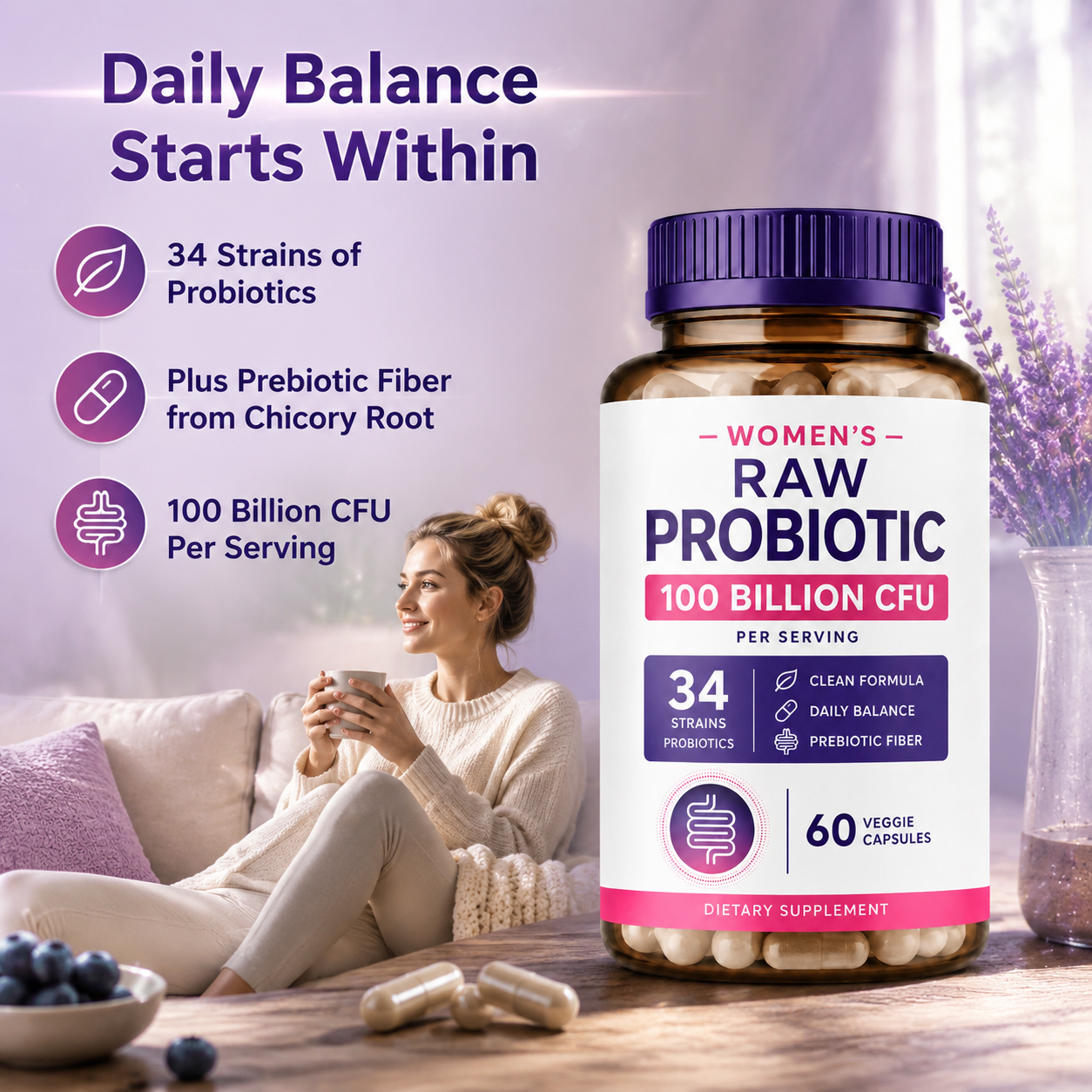
Probiotics are the part of the women's health category where the number on the label is most easily lost between release and the end of shelf life. A high-potency women's probiotic may claim 100 billion CFU per serving from a 34-strain blend with prebiotic fibre, and that claim is evaluated at the end of shelf life, not on the day the capsules leave the line. Viability decays with temperature, moisture and oxygen, so a product released at exactly 100 billion CFU per capsule will commonly test below the claim within months in a warm distribution chain. A 24-month shelf-life claim usually needs two to three times the label CFU at release unless water activity is held below about 0.2 with a desiccant in the bottle. A 34-strain blend adds a second problem: specifying only total CFU lets a supplier meet the number with the cheapest strains, so the specification should be written strain by strain, including the test method, because plate-count and flow-cytometry results on the same sample do not agree. Brands selling women's probiotics therefore pay twice, once for the overage and once for the barrier packaging that protects it.
Both formats are in production on our side: a 100 billion CFU probiotic for women with chicory root inulin, and a women's probiotic powder for brands that want a sachet or a scoop. The format changes the overage, because a dry powder in a foil sachet holds viability better than a capsule in a translucent bottle. Our probiotic manufacturing guide covers strain selection and overage economics in detail.
Where the money goes: packaging, count and pack size
Private label women's health supplements invert the usual cost pattern. In a low-dose capsule product sold to women the actives are cheap and the packaging is expensive: bottle, closure, induction seal, label, carton and shipping case can account for a large share of landed unit cost, so for women's capsule products a decision as ordinary as moving from a 60 count to a 120 count bottle changes the economics more than reformulating the blend. In a gram-dose powder the relationship flips, the actives dominate and the pouch is a modest cost line. Pack size is also a freight decision. A 30-day supply of inositol powder at 4.35 g per serving is about 130 g, an 80-serving beauty powder at 3.5 g per serving is 280 g, and both weigh less than the liquid equivalent. Stick packs are the largest packaging cost step-up available, and they are only justified above the dose threshold where a sachet replaces three or four capsules per serving.
| Parameter | Typical range | Why it matters to the plan |
|---|---|---|
| Minimum order quantity, hard capsules | 2,000-5,000 units for a first batch, 5,000+ on reorder | Three or four capsules per serving means large bottles and slow first-batch turns |
| Minimum order quantity, powder tubs and liquids | 1,000-2,000 units for a first batch | The lowest entry point for a gram-dose formula, which is why inositol starts as a powder |
| Minimum order quantity, pectin gummies | 3,000-5,000 units for a first batch | Custom shapes push the number higher because mould cost is amortised over the run |
| Minimum order quantity, softgels | 5,000-10,000 units for a first batch | Oil-fill lines run long campaigns, so small batches are disproportionately expensive |
| Sample lead time and bulk production | Samples in 7-10 days from formula confirmation, production in 15-25 working days | A two-day sample promise usually means a stock sample rather than your formula |
| Shelf life and documentation | 24 months typical, with batch COA and a formula specification sheet | The specification sheet is what makes two suppliers comparable at all |
The full sequence for private label women's health supplements, from brief to pallet, is in our MOQ and lead time guide, and the trade-offs behind each row are covered in the dosage form comparison. Our supplement range spans seven dosage forms, so a format shortlisted from that table can be costed against a real specification rather than a photograph.
A women's health private label checklist before you request samples
Most delays in private label women's health supplements are not chemistry problems. They are decisions left open in the brief that return later as rework, and women's health projects carry more of them than most. Each line below has cost a project real time when it was missing.
- Write the dose per serving in absolute milligrams or micrograms, not as a ratio, a blend name or a percentage.
- Confirm the daily serving count women will accept, because three or four capsules a day is a churn risk even when the label is accurate.
- Check the arithmetic against the format ceiling before approving artwork: 2,000 mg of a bulky powder does not fit two size 0 capsules.
- Decide whether the product targets women with a diagnosed deficiency or a general wellness population, because the two need different doses and different claims.
- Hand the intended claims to the manufacturer with the formula so compliance gaps surface in week one rather than at the printer.
- For probiotics, specify CFU at end of shelf life, per strain, with the test method and the desiccant decision written in.
- For gummies, agree the cook temperature limit before choosing heat-sensitive actives, and agree the sugar-free strategy because it changes moisture behaviour.
- For powder, agree particle size and the anti-caking system, then confirm sachet fill weight on the real line rather than on a bench sample.
- For liquids and drops, validate drop volume with the actual dropper and formula at filling temperature, including 3 to 5 percent fill overage.
- Ask which certifications are held by the site that will run the batch, and request them by name rather than as a logo sheet.
- Agree the stability programme behind the shelf life you intend to print, including accelerated and real-time conditions.
- Set the packaging brief after the dosage form is fixed, so bottle, pouch and count all match the dose that was approved.
If the format is still open, start with gummies or hard capsules for microgram and low-milligram actives, and move to powder once the daily dose passes about 1 g. Adjacent reading includes the collagen manufacturing guide on peptide dose and format, and the multi-collagen capsule specification for brands building a beauty range for women rather than a single hero product.
Planning private label women's health supplements?
Send the dose list, the servings per pack and your target markets. We will tell you which formats physically fit the dose, what the overage costs for your shelf life, and what the label can legally say on women's health products, with quotations returned within 24 hours.
Women's health private label essentials
- For private label women's health supplements, the dosage form is decided by fill-volume arithmetic before any packaging decision is made.
- A ratio is not a dose. Specify absolute milligrams per serving, because a 40:1 blend at 500 mg is a different product from one at 2,050 mg.
- Biotin at 5,000-10,000 mcg is a competitive convention rather than a clinical requirement, and it brings a real laboratory-interference advisory with it.
- US structure or function wording and EU authorised health claims are not interchangeable, so one pack sold to women needs two reviewed label texts.
- Probiotic CFU is an end-of-shelf-life number, so a 24-month claim usually needs two to three times the label CFU at release.
- Packaging and count often dominate unit cost in low-dose capsule products, while actives dominate in gram-dose powders.
- First-batch MOQ ranges from 1,000-2,000 units for powder and liquids to 5,000-10,000 for softgels, with samples in 7-10 days and production in 15-25 working days.
Sources
- US Food and Drug Administration - update: FDA warns that biotin may interfere with lab tests (safety communication)
- AACC Academy - guidance document on biotin interference in laboratory tests
- NIH Office of Dietary Supplements - Biotin fact sheet for health professionals
- NIH Office of Dietary Supplements - Iron fact sheet for health professionals
- Comparison of seven myo-inositol to D-chiro inositol ratios in women with PCOS, 2 g twice daily for three months (PubMed 31298405)
- European Commission - EU Register of authorised nutrition and health claims
- TikTok Shop United States supplement category ranking, September 2026 (public top-100 listing data, used here for dosage form shares only)
Key takeaways
- Women's health formulas carry gram-level doses, so the dosage form is decided by fill-volume arithmetic before any packaging decision is made.
- Inositol is studied at 2,000 mg of myo-inositol plus 50 mg of D-chiro inositol twice daily, a 4 g daily dose that rarely fits a two-capsule serving.
- A 40:1 ratio without absolute milligrams is a marketing statement; the specification sheet should state the milligram content of each isomer.
- Biotin at 5,000-10,000 mcg per serving is a category convention, and it carries a genuine laboratory-interference advisory that belongs on the label and in the FAQ.
- The same formula needs different claim wording in the United States and the European Union, and claims are tied to dose thresholds.
- Probiotic CFU claims are evaluated at end of shelf life, which usually means two to three times the label CFU at release.
- First-batch MOQ runs from 1,000-2,000 units for powder and liquids up to 5,000-10,000 for softgels, with samples in 7-10 days and production in 15-25 working days.
Frequently asked questions
Can I launch private label women's health supplements with a low order quantity?
Yes, and the lowest entry points are powder tubs and liquid bottles at roughly 1,000-2,000 units for a first batch. Hard capsules typically start at 2,000-5,000 units, pectin gummies at 3,000-5,000, and softgels at 5,000-10,000. The format matters more than the total budget, because a gram-dose formula that only fits a powder can be started at a fraction of the quantity a softgel version would require.
Why is inositol usually sold as a powder rather than in capsules?
Because of bulk volume. Myo-inositol is a low-density, highly water-soluble powder, and a 2,000 mg dose occupies roughly 3 mL once tapped, which is more than two standard capsules hold comfortably. Capsule-based inositol products therefore run to two to four capsules per serving and a 60 or 120 count bottle for a 30-day supply, while a 4.35 g sachet delivers the same daily dose in one step.
How much biotin should a hair, skin and nails formula contain?
The adequate intake is 30 mcg per day and commercial products typically run 5,000-10,000 mcg per serving, which is what shelf competition demands. Evidence of benefit in women who are not deficient is limited, while interference with biotin-streptavidin laboratory assays is well documented above plasma concentrations of roughly 10 ng/mL. Formulate to the category convention if you must, but keep the claim conservative and add a healthcare-provider advisory.
Can the same women's health formula be sold in the United States and the European Union?
The formula usually can, but the label text usually cannot be reused. A United States label may carry structure or function claims with the DSHEA disclaimer, while an EU label may only use claims from the Register of authorised health claims. A phrase such as supports healthy hormone balance is routine in the United States and has no EU counterpart, so plan for two reviewed label texts rather than one translation.
What makes a probiotic CFU claim fail before the expiry date?
Viability loss, which follows temperature, moisture and oxygen. A product released at exactly the label CFU will often test below it within months, so a 24-month shelf-life claim typically needs two to three times the label CFU at release, plus water activity held below about 0.2 with a desiccant in the pack. Specify CFU per strain and name the test method, because plate count and flow cytometry do not return the same result on the same sample.
What should a women's health brief contain to get an accurate quotation?
Name each active with the dose per serving in milligrams or micrograms, the servings per day, the servings per pack, the format you prefer and the target markets. Add the claims you intend to make. Those six items let a manufacturer confirm that the dose fits the format, price the overage needed for your shelf life and flag any claim that cannot be printed in one of your markets. Flavour, colour and bottle design can all be settled afterwards.
Have a project in mind? We'll come back with MOQ, formula options and lead time within 24 hours.
Request a Quote