Why the dosage form decision comes before the formula
Most brand owners arrive at a manufacturer with an ingredient list and assume the physical form of the product is a detail to settle later. In practice it is the opposite: the supplement dosage form is the single decision that reaches into every downstream number in your business case. It sets your unit cost, your minimum order quantity, your packaging line, your shipping profile, your stability program and, more than anything else, who actually buys the finished product and whether they finish the bottle.
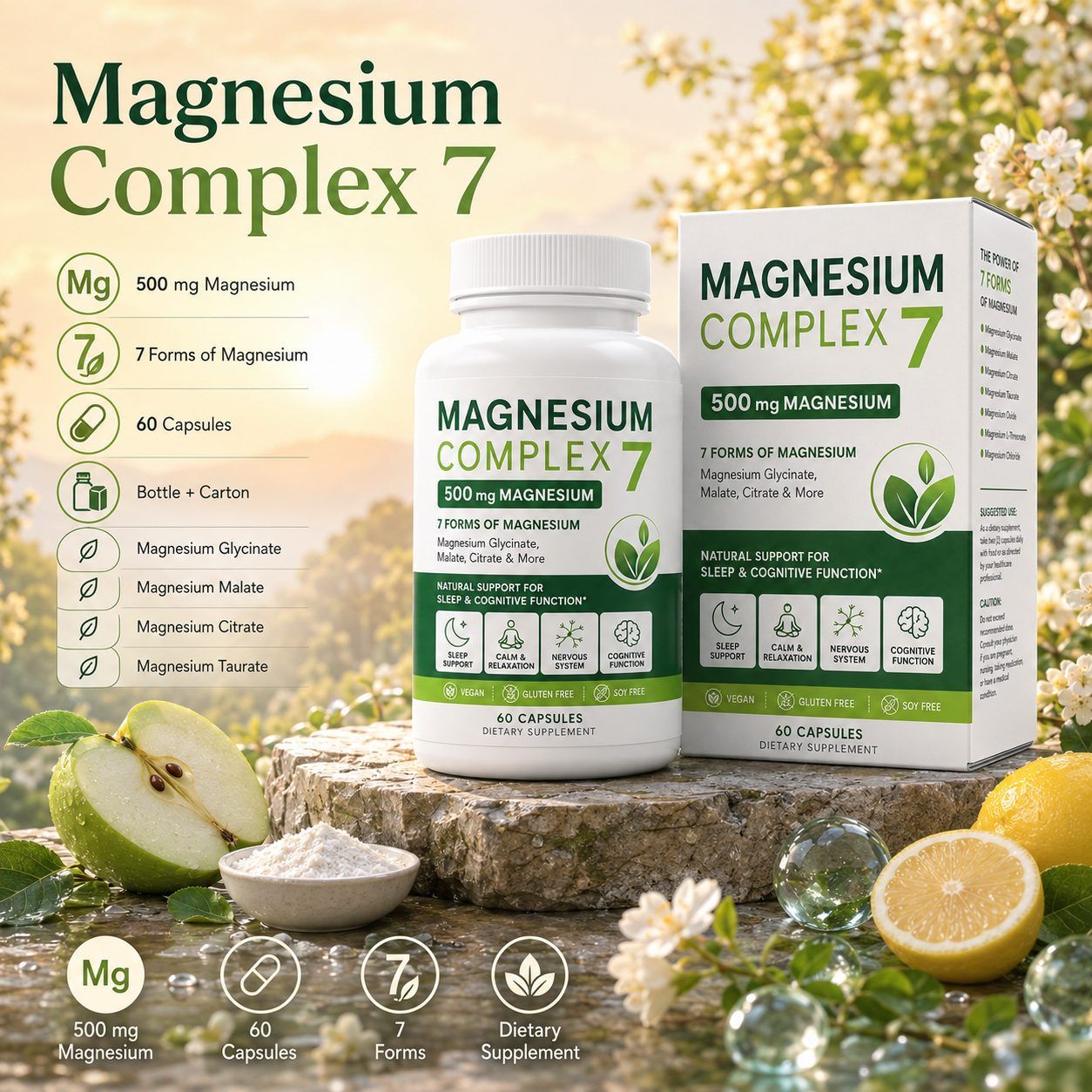
We run six dosage forms across ten automated lines at Yukang Medicine - hard capsules, softgels, tablets, gummies, powders and liquids - and the same active can usually be made in several of them. Magnesium, for example, ships from our floor as a capsule, a tablet, a drink powder and a gummy. The raw material is identical in all four. What changes is everything around it: a tablet needs a binder and a disintegrant, a gummy needs a gel system and a curing room, a powder needs flow agents and a stick-pack filler, and a liquid needs a preservative system and a bottling line. Each of those choices adds cost that has nothing to do with the active ingredient.
Before we go form by form, it helps to see the range in one place. Our supplement product catalog is organised by dosage form - capsules, tablets, gummies and more - because that is genuinely how a factory thinks about your project.
The six dosage forms, and who each one is actually for
There is no best dosage form in the abstract - only the right form for a specific active, dose, channel and price point. The table below is the comparison we walk through with brand owners in the first project call, with the numbers we quote against rather than the adjectives most supplier brochures use.
| Dosage form | Relative unit COGS | Typical MOQ driver | Shelf life | Consumer appeal | Best fit |
|---|---|---|---|---|---|
| Hard capsules | Low to medium | Stock shells; packaging artwork | 24-36 months | Clean label, no taste, easy to swallow | Herbals, probiotics, multi-ingredient formulas |
| Tablets | Lowest at scale | Punch tooling for custom shapes | 24-36 months | Highest dose per unit, cheapest per mg | Minerals, high-dose singles, chewables |
| Softgels | Medium to high | Encapsulation line changeover | 24-36 months | Premium look, easy swallowing | Omega-3, CoQ10, vitamins D3, K2 |
| Gummies | Highest | Gel system and mold count | 12-18 months | Highest compliance and repeat purchase | Kids, women's health, wellness routines |
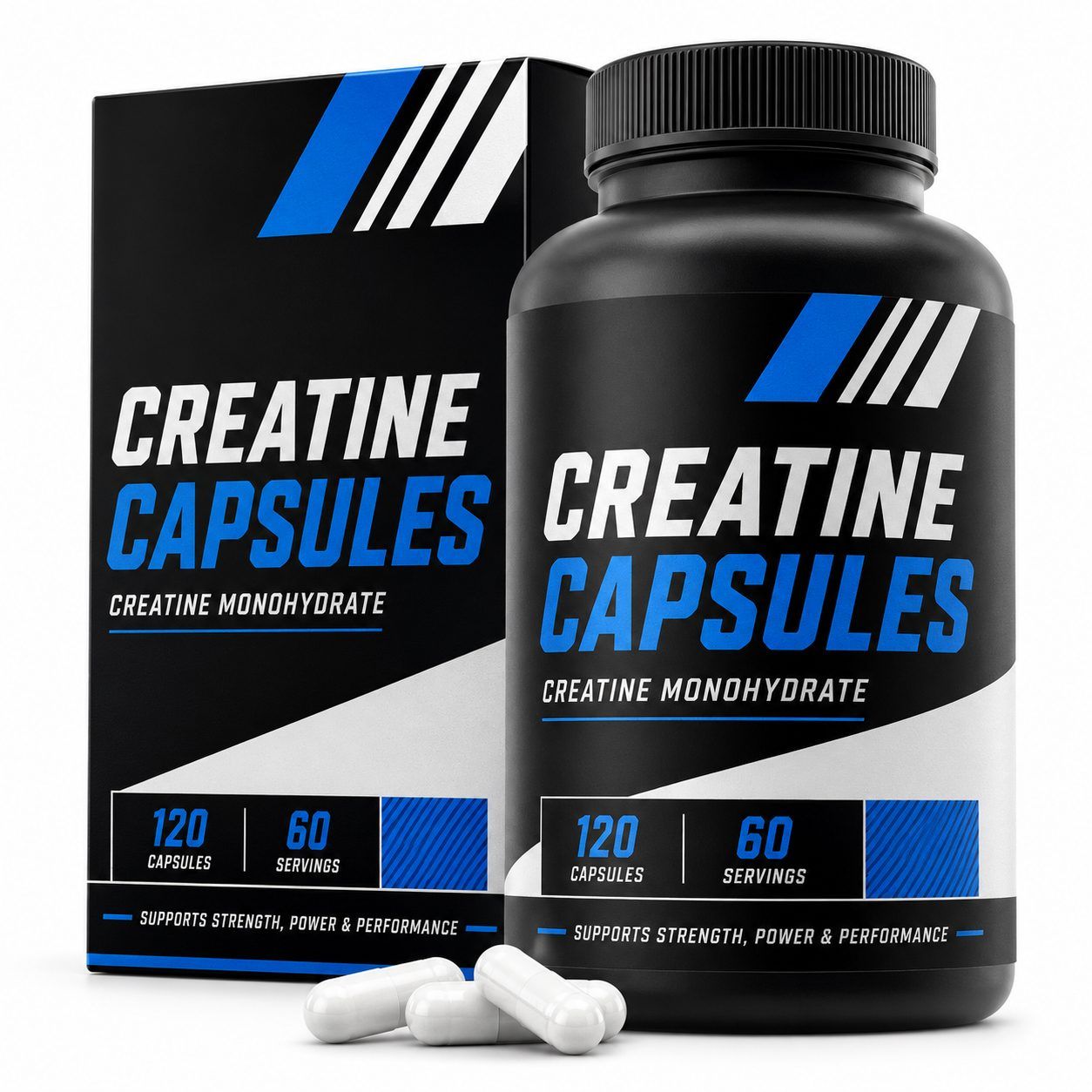
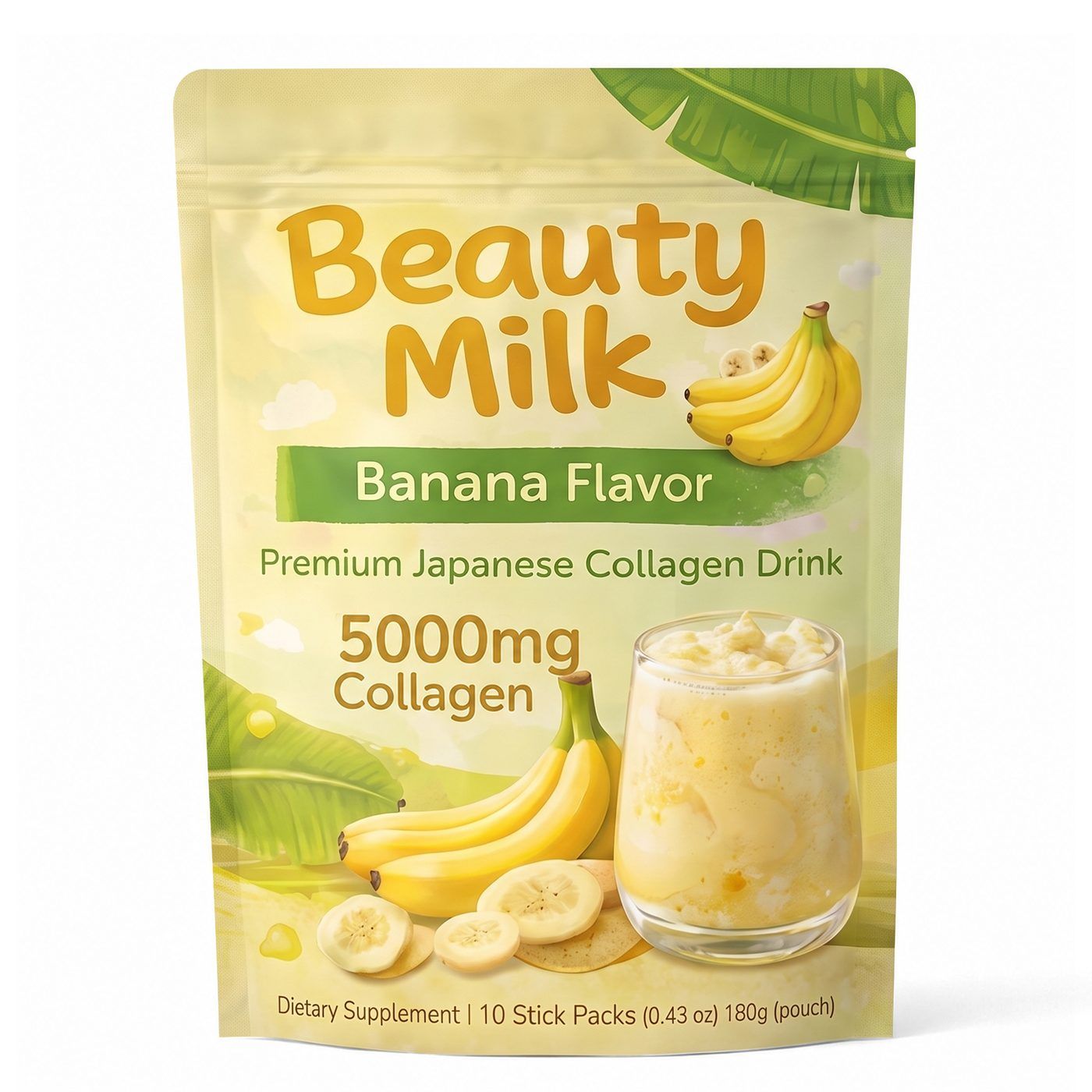
| Powders and stick packs | Low ingredient cost | Filling format and pouch artwork | 24 months | Dose flexibility, stackable actives | Collagen, protein, creatine, greens |
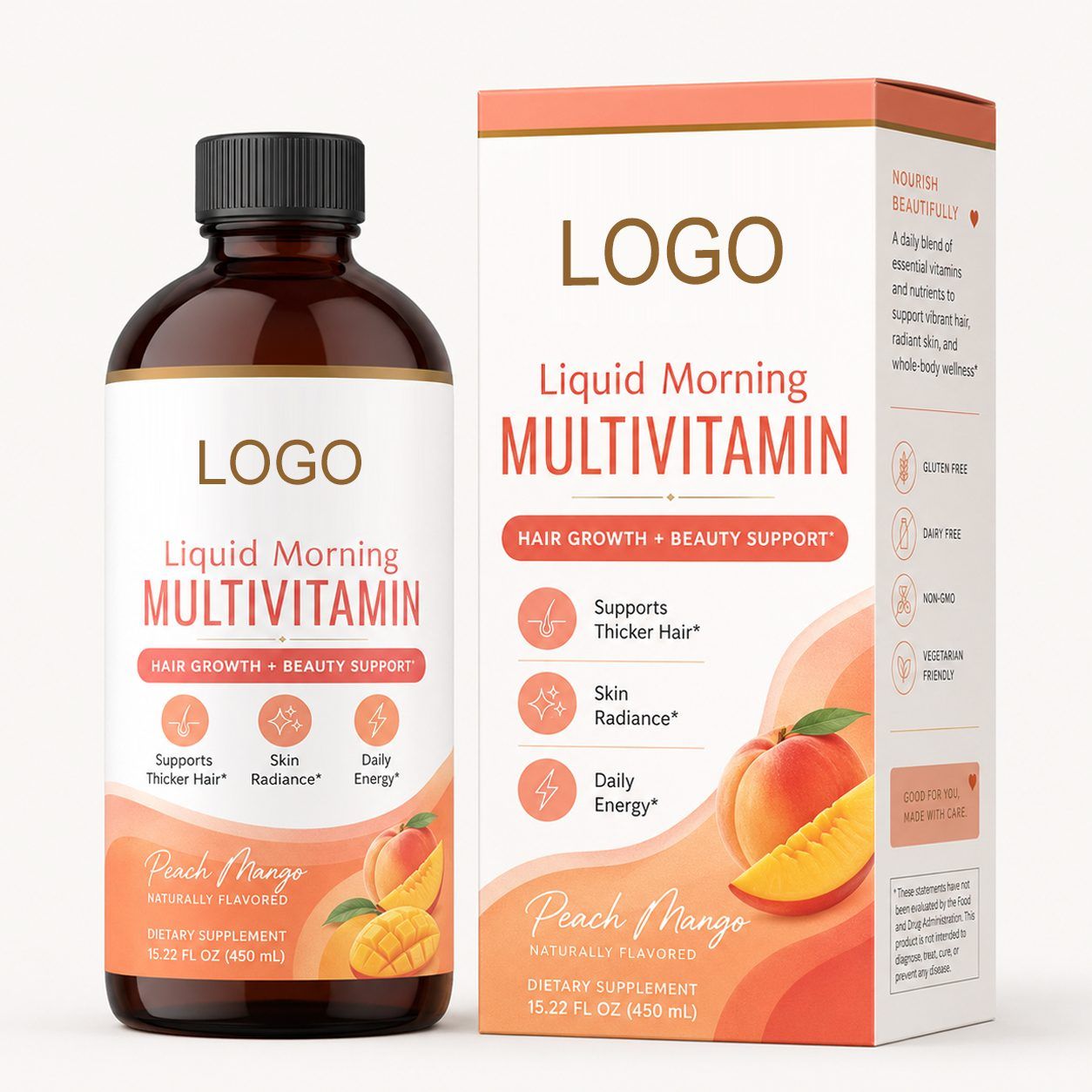
| Liquids and drops | Medium | Bottling line and dropper parts | 18-24 months | Fastest perceived onset, no swallowing | Drops for kids and pets, beauty drinks |
Where demand is actually moving
Market data and our own enquiry book point the same direction. Precedence Research puts the global dietary supplement market above 218 billion US dollars, with liquid formats growing at roughly 9.40% a year - the fastest of any dosage form. Gummies keep taking share from tablets in the wellness aisle. Yet loose powder still carries the largest unit volume, because collagen, protein and creatine buyers actively want a scoopable format. Fast growth and large volume are different prizes, and confusing the two is how brands end up in a crowded lane.
The practical read for anyone choosing a supplement dosage form: capsules remain the workhorse of first launches because they are the fastest and cheapest to industrialise, while gummies take a larger share every year because they win on compliance - the consumer actually finishes the bottle. A repeat purchase is worth more than a low unit cost, which is the argument for paying gummy economics on the right SKU.
Capsules versus tablets: the two workhorse solids
These two forms get compared constantly and decided on vibes. Here is the engineering reality. A tablet is cheaper per unit at volume - once the punch tooling exists, a compressed tablet runs fast and the excipients cost pennies. But that tooling is a real commitment: a custom punch die typically costs 1,500 to 3,000 US dollars and adds two to four weeks before the first trial batch, and every tablet shape is a new die. Hard capsules run on stock shells in standard sizes, so there is no tooling at all and changeover between products is measured in hours, not weeks.
The second difference is what the shell does for you. A two-piece capsule is a tasteless, odourless container - herbal extracts that taste terrible in a tablet need no flavouring or coating at all in a capsule. That is why capsule projects consistently clear sample approval faster than tablet projects. The trade-off is fill capacity: a size 0 capsule holds roughly 500 mg, so a 1,000 mg dose becomes two capsules, and the shell itself costs more than the excipient load of an equivalent tablet. For most actives neither form is chemically superior - disintegration for both is minutes, and peer-reviewed bioavailability differences between them are small. Choose on dose size, tooling budget and taste, not on marketing claims.
| Dimension | Hard capsules | Tablets |
|---|---|---|
| Tooling cost | None - stock shells in standard sizes | 1,500-3,000 USD per custom die, 2-4 weeks lead time |
| Fill capacity | About 500 mg in a size 0 shell | 1,000 mg and above in a single unit |
| Excipients | Minimal - no binder or disintegrant needed | Binder, disintegrant, glidant, often a coating |
| Taste and smell | Fully masked by the shell | Needs flavouring or film coating |
| Changeover speed | Hours - new shells and product only | Die change plus weight and hardness re-validation |
| Cost at high volume | Shell adds to unit cost | Lowest cost per mg of any solid form |
Gummies and chewables: compliance has a price, and it is worth understanding
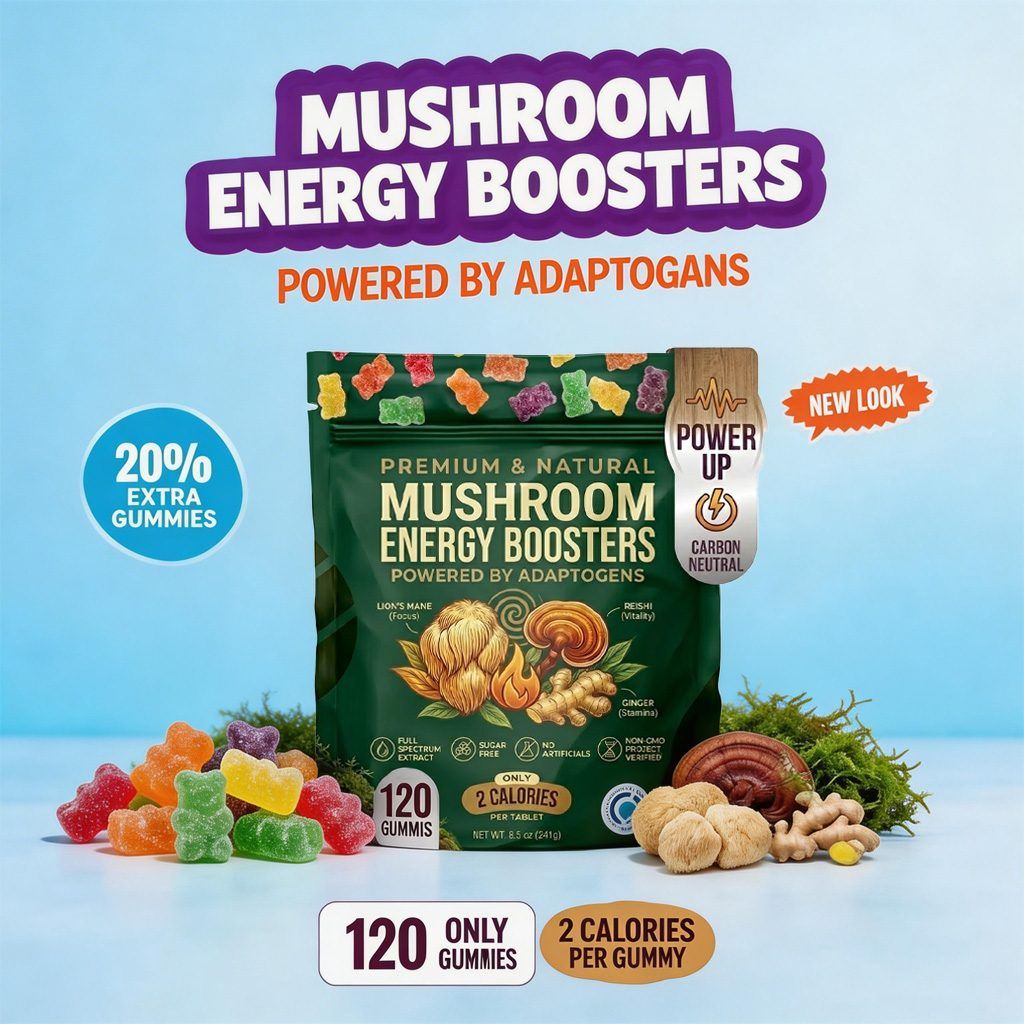
Gummy economics surprise almost every first-time brand owner. A gummy is a confectionery product: the gel system (gelatin or pectin), the depositing molds, a curing step of 24 to 48 hours before the pieces can be removed, and a heavier flavour and colour load than any other dosage form carries. That is what makes the gummy the most expensive dosage form we run at an equal active dose: it routinely costs two to three times its capsule equivalent. The uncomfortable production detail nobody puts in a brochure: standard gelatin gummies begin softening and sweating above roughly 35 to 40 degrees Celsius, which is exactly the deck temperature of a container crossing the Pacific in summer. Higher-melt formulations and pectin systems solve it, at a higher cost per kilogram.
Finished gummies sit at a water activity of roughly 0.6 to 0.75 - high enough to demand a real preservative strategy or a deliberately low-moisture recipe, because anything above 0.85 in a confection invites mold. This is also why gummies carry a 12 to 18 month shelf life where capsules and tablets carry 24 to 36. We validate the exact water activity target during R&D, and it is the single spec that most protects your inventory.
What you buy with all that cost is the highest compliance and repeat purchase rate of any dosage form, and access to shoppers - kids, older adults, anyone who will not swallow pills - that capsules and tablets simply cannot reach. Our <a href="/products/gummies/private-label-melatonin-gummies">private label melatonin gummies</a> are a typical example: the same actives exist as tablets, and the gummy version sells at a premium because the format is the experience.
Softgels and liquids: premium delivery with real constraints
Softgels exist for a specific job: oil-soluble and oxidation-sensitive actives. Omega-3 fish oil, CoQ10, vitamin D3 and K2 are all suspended in oil inside a sealed one-piece shell, which is the best protection against oxidation available in a solid dosage form. The constraints are equally specific - the shell contains gelatin and a plasticizer, so a vegan softgel needs a different technology at a higher price, and encapsulation lines carry higher minimums and longer changeovers than capsule filling lines.
Liquids and drops are the fastest-growing dosage form globally, and the most under-estimated operationally. A liquid is a live chemical system: it needs a preservative system, a controlled pH and usually a suspending agent; its shelf life tops out around 18 to 24 months, and every batch demands full microbiological release testing. What you get in return is dosing flexibility that no other form offers - a dropper lets a parent adjust a serving for a child or a pet in a way a capsule never can - and the fastest perceived onset. Our <a href="/products/softgels/private-label-omega-3-fish-oil-softgels">omega-3 fish oil softgels</a> and <a href="/products/drops/private-label-vitamin-d3-liquid-drops">vitamin D3 liquid drops</a> show the two ends of that trade: maximum protection for a fragile oil, maximum dosing flexibility for a daily staple.
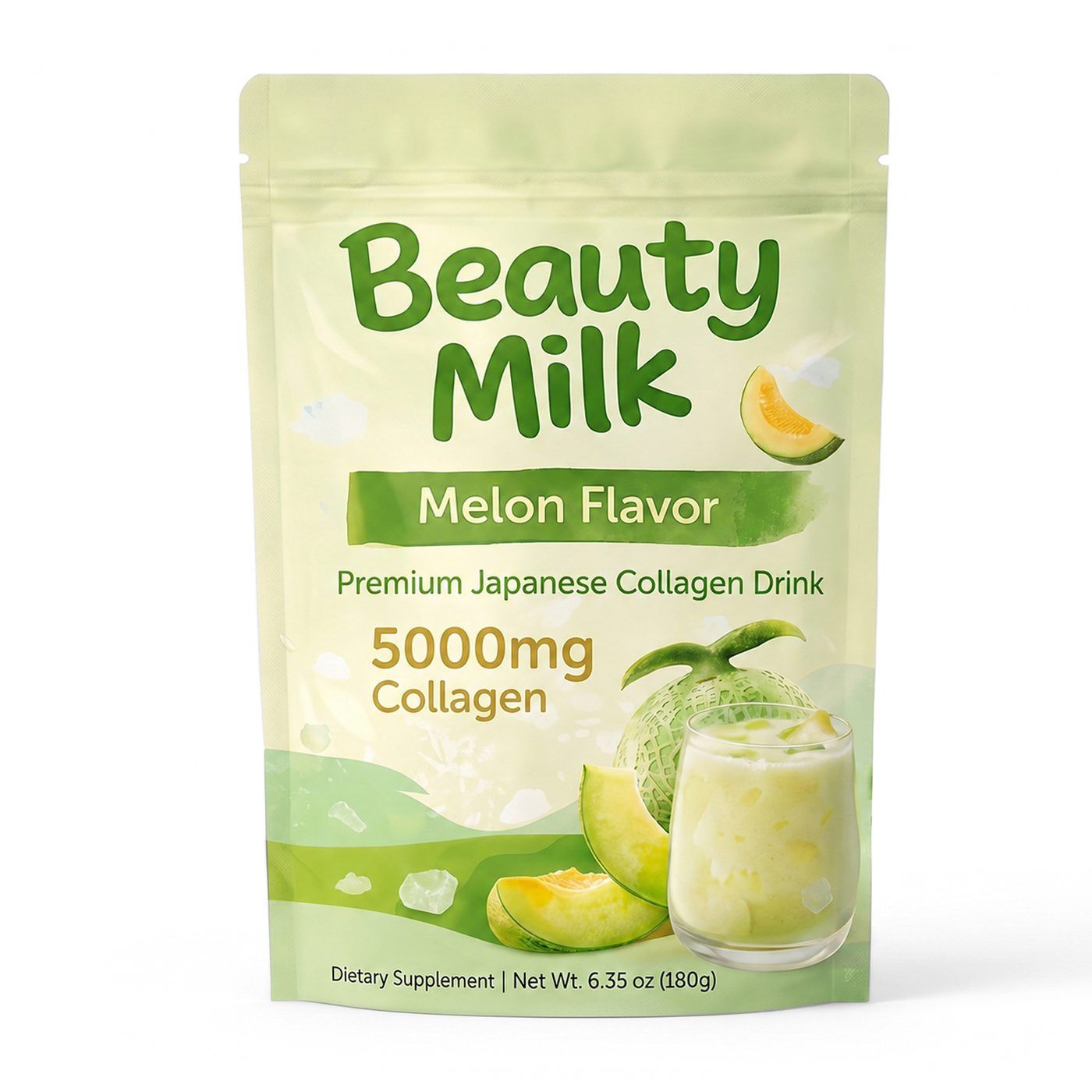
For a ready-to-drink example of where liquids are heading, see our private label collagen beauty drink - a liquid format whose entire value is the format itself, since the same collagen peptides exist as a powder at a lower cost.
What each dosage form adds to your unit cost
The active ingredient is usually the smallest variable in a finished unit. The dosage form decides how much everything else contributes. The shares below come from our own quotes across the six dosage forms at typical mid-volume orders; your absolute numbers will move with dose and packaging, but the shape of the table holds.
| Dosage form | Active ingredient | Excipients and gel or flavour system | Processing | Primary packaging |
|---|---|---|---|---|
| Hard capsules | 40-55% | 5-10% | 15-25% | 15-25% |
| Tablets | 45-60% | 5-10% | 10-20% | 15-25% |
| Softgels | 35-50% | 10-20% (oil suspension) | 20-30% | 10-20% |
| Gummies | 15-30% | 30-45% (gel, flavour, colour) | 20-30% | 10-20% |
| Powders | 30-45% | 10-20% (flow, flavour) | 10-20% | 25-35% |
| Liquids | 20-35% | 20-30% (preservatives, pH, flavour) | 15-25% | 20-30% |
Two lessons fall out of this table. First, in a gummy the active is often under a quarter of the cost - which means flavour and gel decisions move your margin far more than ingredient shopping. Second, powders and liquids shift weight toward packaging, which is why the same formula in a premium pouch or a glass bottle can double in cost without a single formulation change.
Shelf life and stability: what 24 to 36 months actually requires
The shelf life we validate differs by dosage form: 24 to 36 months for capsules, tablets, softgels and powders, and it is not a guess - every formula goes through accelerated stability testing in R&D plus real-time testing across the claim period, in moisture-proof and light-blocking packaging. Gummies run 12 to 18 months for the water-activity reasons above. Liquids run 18 to 24 months and are the only dosage form where the preservative system is as important as the actives. The practical planning point: a shorter shelf life is not just a quality detail, it is an inventory instruction. An 18-month gummy rewards smaller, more frequent production runs; a 36-month capsule tolerates one large production run a year.
A pre-brief checklist before you commit to a form
- Write the dose first. Above roughly 1,000 mg per serving, capsules multiply fast and a different dosage form - tablet, powder or gummy - serves the consumer better.
- Check whether your active is oil-soluble or oxidation-sensitive - if yes, a softgel or an emulsified dosage form deserves a look before anything else.
- Decide who swallows it. Kids, seniors and pet owners eliminate capsules and large tablets immediately; drops, gummies and chewables win those shoppers.
- Price the dosage form, not just the ingredient - ask for the unit cost of the same actives in two different dosage forms before you fall in love with either.
- Ask what shelf life the dosage form carries in writing, and what stability protocol backs it - accelerated plus real-time, at which conditions and timepoints.
- Ask about tooling: does this dosage form need a custom die, new molds or a line changeover, and what does each add in cost and weeks?
- Match the dosage form to your channel - subscription boxes forgive pouches, retail shelves need cartons, and Amazon punishes products that melt in a hot fulfilment center.
- For gummies, ask for the water activity target and the melt behaviour in transit, not just a sample in an air-conditioned office.
- Confirm vegan, gelatin-free, sugar-free or Halal requirements now - each one reshapes the gel system, the shell material and the certification scope.
- Get the MOQ and lead time for your exact form in writing before comparing quotes, because a cheap unit cost on a high MOQ is not a cheap project.
How the form choice interacts with MOQ and lead time
Form choice changes your entry ticket. Capsules and tablets on stock packaging start at our standard MOQ of 500 units per product; gummies need a minimum mold count and a curing slot; liquids need a bottling run and dropper components. Lead times follow the same logic - a standard run on an existing format completes in about 15 days, with expedited processing down to 10 days, while a custom die, a new gel system or a bespoke dropper adds tooling time before the first unit is filled.
We break the full arithmetic down, including where each dosage form sits in it, in our guide to MOQ and lead times in supplement manufacturing. And because the same finished product can be compliant in one market and not another, pair the form decision with our overview of FDA, cGMP and HALAL requirements before commissioning artwork.
Not sure which dosage form fits your product?
Send us your actives, target dose, market and price point. We will come back with the dosage form we would run it in, an itemised quote per unit, and a sample plan across two formats so you can compare them in hand - NDA protected.
Choosing a supplement dosage form: the short version
- Pick the dosage form before finalising the formula - it drives unit cost, MOQ, shelf life and channel fit more than the ingredient list does.
- Capsules are the fastest, lowest-tooling dosage form for a first SKU; tablets are the cheapest per milligram once tooling exists.
- Softgels are the right dosage form for oil-soluble, oxidation-sensitive actives - and the wrong one for vegan positioning on a budget.
- Gummies cost two to three times a capsule at the same dose and still win, because they are the dosage form that drives compliance and repeat purchase.
- Liquids and drops are the fastest-growing dosage form at roughly 9.40% a year, with the shortest shelf life and the most demanding release testing.
Sources
- Precedence Research - Dietary Supplements Market Size and Outlook (liquid formats, ~9.40% CAGR)
- US FDA - 21 CFR Part 111, Current Good Manufacturing Practice for Dietary Supplements
- USP - General Chapter on disintegration and dissolution performance of dietary supplements
- Yukang Medicine internal quotation and production records, trailing 12 months
Key takeaways
- The dosage form decision reaches into unit cost, MOQ, tooling, shelf life and channel fit - settle it before the formula.
- Hard capsules carry the lowest tooling cost and fastest changeover; tablets are the cheapest per milligram at volume.
- Gummies cost two to three times a capsule at equal dose and carry a 12 to 18 month shelf life, but win on compliance and repeat purchase.
- Softgels protect oil-soluble actives best; liquids and drops grow fastest at about 9.40% a year and demand the most release testing.
- Match the form to the shopper: kids, seniors and pet owners eliminate capsules and large tablets before price ever comes up.
Frequently asked questions
What is the best supplement dosage form for a first product launch?
For most first launches, hard capsules on stock shells are the fastest and lowest-risk route: no tooling, standard sizes, a 24 to 36 month shelf life and the simplest changeover. If your dose is above roughly 1,000 mg per serving or your shopper will not swallow pills, look at a powder or gummy instead. We usually quote a first SKU in two forms so the decision is made on real numbers.
Which dosage form has the lowest minimum order quantity?
Capsules and tablets on stock packaging have the lowest entry point - our standard MOQ is 500 units per product - because neither needs molds, gel systems or bottling parts. Gummies need a minimum mold count, and liquids need a bottling run with dropper components, so both carry higher minimums. Custom artwork or tooling raises the floor on any form.
Are gummies as effective as capsules or tablets?
For most actives, yes, at an equivalent dose - delivery form rarely changes bioavailability meaningfully. The honest caveats are thermal and chemical: some actives are less stable in a warm, moist gummy matrix than in a dry capsule, which is exactly why gummies carry a shorter shelf life and why we run accelerated stability testing before signing a specification. Be wary of any claim that one form absorbs dramatically better without data behind it.
Why do gummies cost so much more than capsules?
A gummy is a confectionery product: a gel system, a depositing line, a 24 to 48 hour curing step and a heavy flavour and colour load, all wrapped around an active that is often under 30% of unit cost. Add higher-melt or pectin systems for heat resistance during shipping and the gap versus a capsule reaches two to three times. What you buy back is the highest repeat purchase rate of any dosage form.
How long does it take to produce a custom supplement in each form?
On an existing format and stock packaging, a standard run completes in about 15 days, with expedited processing down to 10 days. Add two to four weeks for custom tablet tooling, new gummy molds or a bespoke dropper system, plus sample approval cycles. Liquids carry the longest release testing because every batch needs full microbiological clearance before shipment.
Can I get vegan or Halal versions of every dosage form?
Vegan and Halal are form-dependent. Hard capsules can run with HPMC (plant cellulose) shells instead of gelatin; gummies can run on pectin instead of gelatin; powders and liquids are generally the easiest to certify. Softgels are the hardest, because the classic one-piece shell is gelatin-based. Our facility operates to ISO 22000, HACCP, cGMP and FDA registration, and our group includes a BRCGS-audited site; we confirm the certification scope that applies to your formula during quoting.
Have a project in mind? We'll come back with MOQ, formula options and lead time within 24 hours.
Request a Quote