Why the quote you received is really an ingredient decision
Every brand owner negotiates the same three numbers: unit price, minimum order and lead time. None of them is the number that decides whether the product sells, and none of them can be judged properly without looking one layer down, at the ingredients your contract manufacturer is buying on your behalf. Two factories quoting the same five gram creatine serving can be quoting two completely different materials, and the difference is invisible on the finished label.
Supplement ingredient sourcing is where most of the unit price lives. On a typical powder or capsule supplement, ingredients and primary packaging together make up the bulk of the ex-works cost, and the active ingredients alone commonly sit somewhere between forty and seventy percent of it depending on the category. A commodity mineral at a low dose behaves nothing like a standardised botanical extract at eight hundred milligrams a serving, which is why the same factory can quote you two SKUs with wildly different sensitivity to the same market move.
If you want the arithmetic from the other end, the unit price breakdown shows how ingredient cost, amortised fixed cost and yield interact inside a quote. This guide covers the layer underneath it: how the material is chosen, specified, qualified and bought before anyone prices your product.
Four documents define every ingredient, and buyers mix up three of them
Ask a supplier for the paperwork on an ingredient and you will usually receive four documents that look interchangeable. They are not. The specification is the contract: it is the list of attributes and limits the material must meet on every lot, and it is the document your manufacturer's incoming team tests against. The technical data sheet is the commercial brochure with numbers attached. The certificate of analysis is a snapshot of one specific lot. The safety data sheet covers handling, storage and transport risk, and says nothing at all about quality.
The distinction that matters commercially is between the specification and the certificate. A certificate that passes tells you one lot met the agreed limits. A specification that is too loose means every lot passes while the material still drifts, which is exactly how two brands buying the same named active end up with different products. Look for limits on assay, loss on drying, heavy metals, microbiological counts, particle size, and where relevant the residual solvent and the marker compound an extract is standardised to.
| Document | What it is | What it is not |
|---|---|---|
| Specification | The contract: attributes and limits every lot must meet | A description of a typical or average lot |
| Technical data sheet | Supplier marketing with numbers attached | A commitment; it usually carries no lot number |
| Certificate of analysis | One lot's results, normally from the supplier's own laboratory | Proof that the ingredient suits your product |
| Safety data sheet | Handling, storage and transport classification | Any evidence of purity, potency or identity |
One detail separates experienced buyers from inexperienced ones, and it is worth a sentence in your quality agreement. Identity testing on a certificate is often the supplier testing against their own reference standard rather than against a pharmacopoeial one. Ask which method was used, whether it was chromatographic or spectroscopic, and whether the certificate carries the producing factory's lot number or a trader's internal number. Two certificates for the same named material can describe lots from two different plants, and only one of those numbers traces back to anything.
Where the world's supplement ingredients actually come from
Supply is far more concentrated than most brand owners imagine. Creatine monohydrate production is dominated by Chinese manufacturers. A small number of fermentation plants account for most of the world's vitamin B12. Ascorbic acid runs through a handful of large producers. Botanical extracts cluster around their growing regions and the extraction capacity built beside them, so origin is often decided by agriculture rather than by price. Concentration is not a defect, but it does mean a disruption in one plant can move your cost across an entire category overnight.
Concentration also creates a layer buyers rarely see: the distributor. Most factories buy at least some ingredients through traders rather than direct, particularly for small volumes or imported actives. Both routes are legitimate, and a good distributor consolidates freight, customs and documentation properly. The risk is traceability rather than quality, because a certificate issued by a trader restates the manufacturer's results and often renumbers the lot. That is why qualification should always name the producing factory and its lot number for any material carrying more than a few percent of your unit cost.
This is also the layer that decides what is legally sellable in your market. An ingredient that is lawful in one country may be a new dietary ingredient in another, or restricted at the dose you were planning to use, which is why the regulatory frameworks guide belongs next to the sourcing decision rather than after it.
How a factory qualifies a supplier before it buys
Qualification is not a single certificate check. It is a sequence, and a serious manufacturer runs the whole of it before an ingredient is approved for use in a customer's product. Current good manufacturing practice in the United States requires a manufacturer to establish the reliability of a supplier's certificate through qualification rather than simply accepting the paper, and the mechanics are similar in every regulated market. What follows is the sequence, with the time each step realistically takes.
| Step | What it proves | Typical time |
|---|---|---|
| Document review: specification, certificates, allergen and status statements | The ingredient is defined and the paperwork exists | One to three working days |
| Sample evaluation against the specification | The sample meets the limits you intend to buy to | One to two weeks |
| Laboratory confirmation of identity by an independent method | The ingredient is what the certificate says it is | Three to seven days |
| Plant audit, on site or remote | The supplier can repeat the result at scale | Half a day to two days, plus scheduling |
| Trial batch or first production run under observation | The ingredient behaves on real equipment | One production cycle |
| Approved supplier listing and periodic re-qualification | The approval is current rather than historical | Continuous, usually reviewed annually |
Two practical points follow from that table. First, qualification is a cost your manufacturer carries on your behalf, and it is one reason factories prefer ingredients already on their approved list: a new ingredient means a new qualification, which is weeks of work and laboratory spend before a single unit is made. Second, single sourcing is a risk you inherit. Ask whether a critical ingredient has a second approved source with a matching specification, because the alternative to a second source is a silent substitution when the first one runs out.
Same molecule, different money: the grade decision
The largest and least discussed lever in supplement ingredient sourcing is the form of the active. A label can say magnesium, vitamin C or curcumin and mean three very different ingredients at three very different prices. Changing the form changes elemental content, solubility, taste, dose per unit and stability, and it moves the unit price far more than a change of packaging ever will. A buyer who specifies an ingredient without specifying its form has delegated the most expensive decision in the formula to whoever is quoting.
| Active | Commodity form | Premium form | What the money buys | Watch out for |
|---|---|---|---|---|
| Magnesium | Oxide | Bisglycinate | Better gastrointestinal tolerance at the same elemental claim | Oxide carries the highest elemental percentage, so a label comparing milligram to milligram is misleading |
| Vitamin C | Ascorbic acid | Sodium ascorbate or a buffered form | A milder taste in a powder and a gentler pH in the stomach | The sodium load on a label that promises no added minerals |
| Curcumin | Turmeric powder | Ninety-five percent curcuminoid extract | A dose that fits in one capsule or one gummy | Curcumin is poorly absorbed alone; the extract is not by itself a bioavailability claim |
| Collagen | Standard hydrolysed peptide | Low odour, defined molecular weight grade | A cleaner taste and a much lower flavour load in a drink mix | Molecular weight and odour are grade properties, not benefit claims |
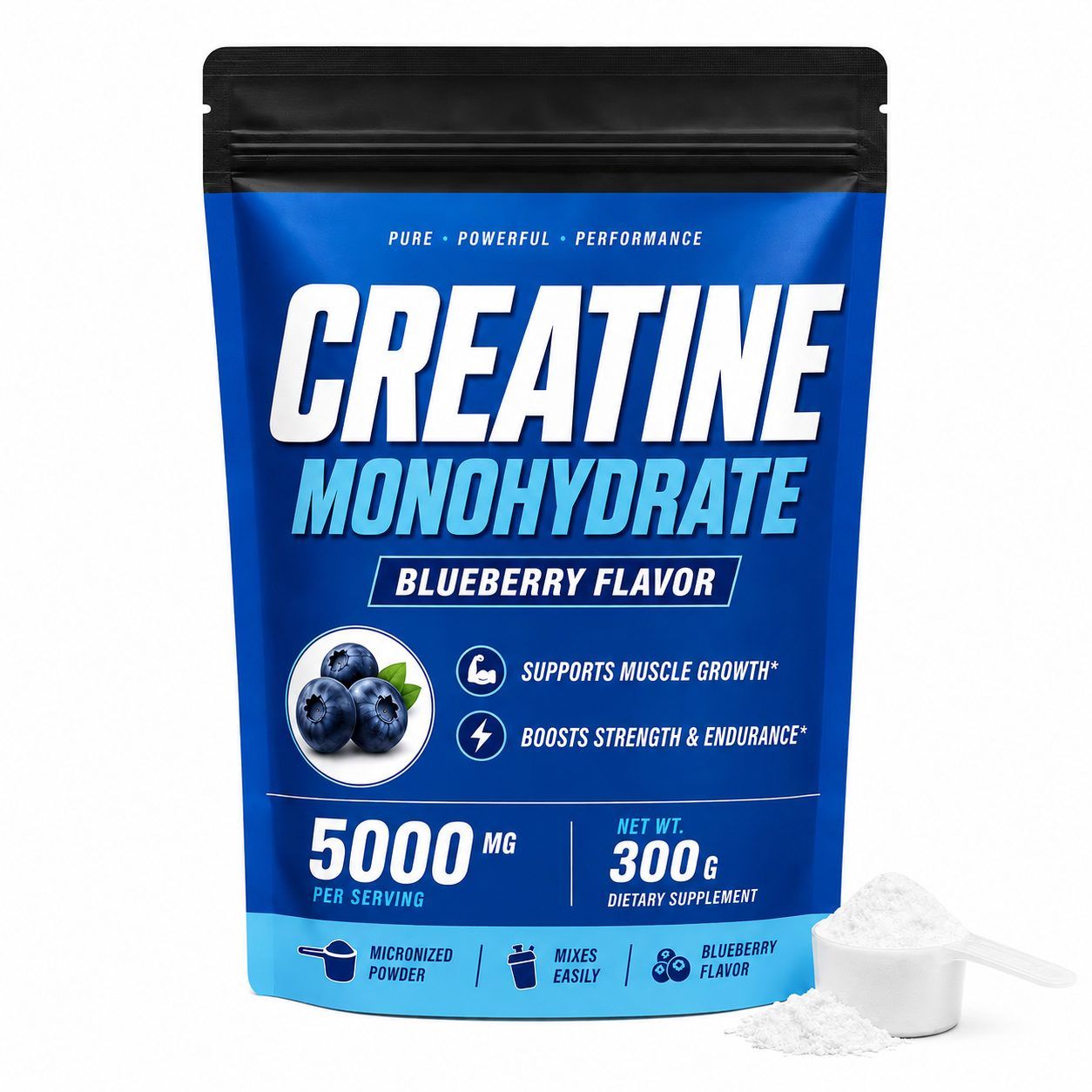
| Creatine | Monohydrate | Micronised monohydrate | Faster dispersion in water and a less gritty mouthfeel | The molecule is identical; micronisation changes particle size, not performance |
The creatine row is the honest one in that table. Micronised monohydrate is a genuine improvement in mouthfeel and it is worth paying for in a drink mix, but the molecule is the same and the performance data does not change. Buy it for the experience, not for the result, and do not let anyone sell it to you as a stronger material. That distinction, made openly, is worth more to a buyer relationship than a claim that will not survive a literate customer.
Read that chart carefully, because it is the number that matters and almost nobody quotes it. Oxide is cheap per kilogram and stays cheap per gram of elemental magnesium; bisglycinate costs several times more per kilogram and roughly seven times more per gram of the element actually delivered. The premium form can still be the cheaper route to a label claim, because oxide at around sixty percent elemental content and bisglycinate at around fourteen percent produce very different serving sizes, capsule counts and complaint rates for the same two hundred milligram claim. The honest answer to which form to buy is never simply the expensive one; it is the one that reaches your claim in the fewest units with the lowest risk of a bad review.
Odour, colour and taste are sourcing properties, not finishing problems
An ingredient specification that stops at assay and heavy metals is incomplete. Three sensory attributes decide whether a powder or a drink mix survives its first review: odour, colour and particle size. Hydrolysed collagen is the clearest example. Two peptides can meet the same protein content and the same molecular weight window and smell completely different, because odour follows the hide or skin source, the enzyme used for hydrolysis and the drying method rather than the assay. That difference is not cosmetic. It determines how much flavour and sweetener the formula needs before anyone will drink it.
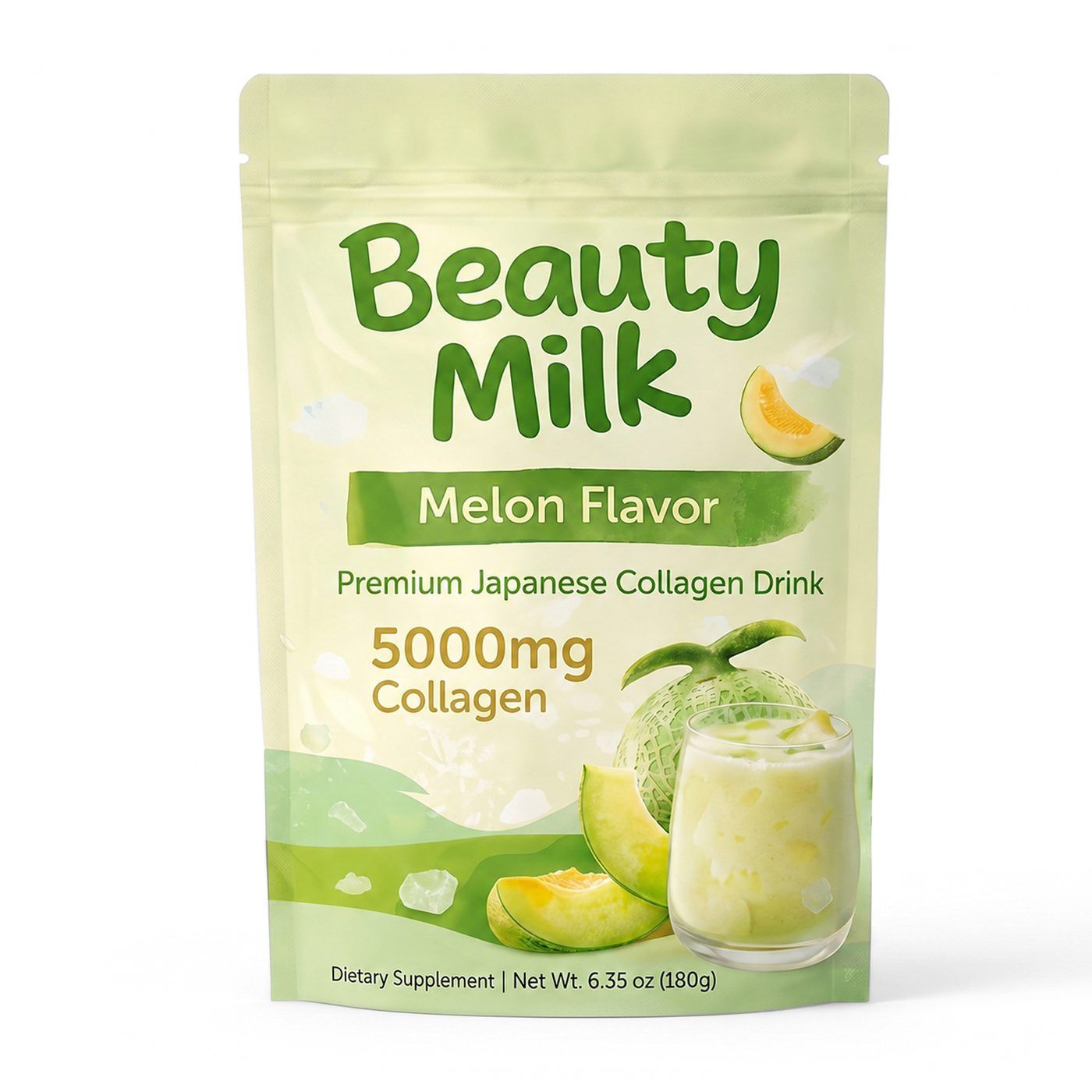
The economics are worth spelling out, because they sit in two different line items and never appear together on a quote. A low odour grade of peptide can need thirty to forty percent less flavour compound and less sweetener to reach the same taste target as a standard grade, and flavour compound is one of the more expensive lines in a powder bill of materials. The premium ingredient therefore buys back part of its own cost downstream, and sometimes more than part of it. A procurement team comparing two material prices per kilogram will always pick the wrong one here.
Ask for limits rather than adjectives: a colour range, an odour description tied to a retained reference sample, a mesh or particle size range, and a dispersion time in water. When the approved sample is made from the qualified lot, the flavour system is developed against that lot. Approve the sample first and qualify the ingredient afterwards and you will be redeveloping flavour every time supply changes.
The drum sets the real minimum, not the bottle
Brand owners negotiate a minimum order quantity in finished units. The number that actually constrains a first run is usually the raw ingredient order behind it, and it is arithmetic rather than policy. Commodity materials arrive in twenty-five kilogram fibre drums or in twenty-five kilogram bags on a pallet. A drum of an active at fifty milligrams a serving contains five hundred thousand servings, which is more than eight thousand bottles at sixty servings each, long before a single unit is committed. A factory will happily sell you a thousand of them only because that drum is already open for somebody else.
| Active per serving | Servings in a 25 kg drum | Finished units at 60 servings per unit | Practical effect |
|---|---|---|---|
| 50 mg | 500,000 servings | 8,300 units | Rarely a constraint; the ingredient is usually already stocked |
| 200 mg | 125,000 servings | 2,080 units | Fits comfortably inside a standard first order |
| 800 mg | 31,250 servings | 520 units | One standard first order uses most of a drum |
| 5,000 mg | 5,000 servings | 83 units | Bought by the tonne, so the constraint is cash and storage |
The row that changes decisions is the third one. An active at eight hundred milligrams a serving, or any ingredient with a narrow specification and a single producer, can push a first order well above the published minimum or force a second and third SKU to justify the purchase. An ingredient bought by the drum is a commitment rather than a line item, and the drum arithmetic usually fixes the launch date before the marketing plan does. There is a clean way out that experienced buyers use: schedule the first run into a slot already booked for a compatible formula, so the drum is shared rather than dedicated. It costs a week of scheduling and it saves the entire material buy.
That arithmetic is the reason the published minimum and the workable minimum for your formula are not the same number, as the MOQ and lead time guide sets out. The magnesium powder program sits at the easy end of it and a standardised botanical at a high dose does not.
Price volatility, and why quotes expire
Raw ingredient markets for supplement actives move more than finished goods prices suggest. A quote on a finished product is normally valid for fifteen to thirty days, and that window is not a sales tactic. If an ingredient carries half the ex-works unit cost and its market price moves ten percent, the factory's margin on your order moves five points in the wrong direction, and no manufacturer absorbs that indefinitely on a repeat business built on thin margins. This is the part of supplement ingredient sourcing a brand feels first: an ingredient quote that expired while the buyer was still comparing samples.
There are three mechanisms available, and they trade off against each other. A spot purchase at the time of the order is cheapest when markets are soft and most exposed when they are not. Booking ingredients against a confirmed annual forecast locks the price but commits cash and storage space. A price validity clause in the supply agreement, tied to a named index or to written notice of a change, sits between them and is the option most mid-sized brands should be asking for. What matters is that the mechanism is written down before the market moves, because a renegotiation that starts after a price spike is a renegotiation you lose.
Seasonality compounds it, and it catches first-time importers every year. Factory capacity and ingredient availability both tighten ahead of long public holidays, and the effect is measured in weeks rather than days. Around the lunar new year and the autumn national holiday, production slots are booked well in advance, incoming material is pre-bought into inventory, and a run that normally takes around fifteen working days can stretch to four to six weeks. A brand that schedules its first shipment into that window without asking will spend the delay blaming the factory.
What happens when the ingredient arrives
Qualification does not end at the purchase order. On arrival an ingredient goes into quarantine, the certificate is reviewed against the specification rather than against the previous delivery, and identity is confirmed by a method independent of the supplier's own result. Only then is it released to production. A material that fails is rejected or reworked, and the record of those rejections is part of what a serious factory can show you during an audit, because a plant that has never rejected anything is either buying from a single source or not looking very hard.
For the brand the practical implication is change control. If a qualified ingredient becomes unavailable, the honest factory requotes and asks first. The alternative is a silent substitution of a technically equivalent ingredient that changes taste, colour or dissolution, and leaves your reviews and your repeat rate to explain it. Ask for a written commitment that any change to a material source or specification requires your approval, and ask how much notice you receive when a supplier discontinues a grade.
The mechanics of release are covered in quality control and batch release. For one ingredient in detail, the collagen guide works through source, molecular weight and dose, and the collagen powder program shows the finished formats those grades run into.
Ten questions to ask before you approve an ingredient
Ten questions cover most of what supplement ingredient sourcing actually decides, and they take one call to ask rather than a consultant and a week of email.
- Which form of the active is specified, and what is the elemental or standardised content per gram of ingredient?
- Who produced it, and does the certificate carry the producing factory's lot number or a trader's internal number?
- Which method confirms identity, and is it independent of the supplier's own certificate result?
- What are the limits on assay, loss on drying, heavy metals, microbiology and residual solvent?
- Is there a second approved source with a matching specification, and when was it last qualified?
- What are the sensory limits: colour range, odour reference sample, mesh or particle size, dispersion time?
- How many finished units does one standard drum of this ingredient cover, and is that drum shared or dedicated?
- How long is the quote valid, and what happens to the unit price if the ingredient market moves?
- Does the ingredient carry a statement your label needs: allergen, origin, or genetically modified status?
- What notice do I get before a source or grade changes, and who signs off on the substitution?
See how supplement ingredient sourcing changes your unit price
Send us the formula or the label you want built and we will tell you which grade each active should be specified at, where it is sourced from, what one drum covers at your dose, and which parts of the material specification are genuinely worth paying for.
How to buy an ingredient instead of a name
- Supplement ingredient sourcing is decided by documents rather than by price: the specification is the contract, the certificate is one lot, and a loose specification lets an ingredient drift while every certificate still passes.
- Name the form, not just the active: magnesium oxide and magnesium bisglycinate are not the same purchase, and neither are turmeric powder and a ninety-five percent curcuminoid extract.
- Judge a premium form by cost per label claim rather than cost per kilogram, because elemental content and dose per serving change the answer completely.
- Specify odour, colour and particle size with limits and a retained reference sample, since those decide how much flavour your formula has to carry.
- One twenty-five kilogram drum is the real minimum order quantity; at eight hundred milligrams a serving it covers barely five hundred finished units.
- Ask for the producing factory's lot number and a written change control clause, because traceability is what protects you when supply moves.
Where this leaves your next quote
None of this requires you to become a raw ingredient trader. It requires three questions asked early, and they are the same three a capable manufacturer is happy to answer: which grade, from which producer, and what happens when that producer cannot supply. Brands that ask get quotes that hold. Brands that do not get a product that changes quietly between the second and the third order, and a unit price that moves for reasons nobody explained.
Supplement ingredient sourcing is the least visible part of a private label program and the part that decides most of what a buyer can promise downstream: dose per serving, taste, shelf life, and whether the second order tastes like the first. Ask for the specification before you ask for the discount. The discount is a few percent. The specification is the product.
Sources
Key takeaways
- Supplement ingredient sourcing is where most of the unit price sits: actives alone commonly run forty to seventy percent of ex-works cost depending on the category.
- The specification is the contract and the certificate of analysis is one lot; a loose specification lets an ingredient drift while every certificate still passes.
- Name the form of the active, not just the name on the label, and judge a premium form by cost per label claim rather than cost per kilogram.
- Odour, colour and particle size are sourcing properties: a low odour collagen peptide can need thirty to forty percent less flavour compound to taste the same.
- One twenty-five kilogram drum sets the real minimum order quantity, and at eight hundred milligrams a serving it covers barely five hundred finished units.
- Ask for the producing factory's lot number, a second approved source and a written change control clause before the first purchase order.
Frequently asked questions
Where do supplement manufacturers buy their raw materials?
Through a mix of direct contracts and distributors, and the mix depends on volume. High volume commodity materials are usually bought direct from the producing plant, which is why creatine monohydrate and ascorbic acid supply is concentrated in a small number of producers. Lower volume or imported actives often come through a distributor who consolidates freight and documentation. Ask which route applies to each material in your formula, and ask for the producing factory's lot number, because a distributor's certificate restates the manufacturer's results and often renumbers the lot.
What is the difference between a specification and a certificate of analysis?
The specification is the contract and the certificate is a snapshot. The specification lists the attributes and limits every lot must meet, and it is what the incoming team tests against. The certificate reports one lot's results, normally measured in the supplier's own laboratory. A certificate can pass while the material drifts, if the specification behind it is loose. Ask to see the specification rather than the certificate, and check that it sets limits on assay, loss on drying, heavy metals, microbiology, particle size and residual solvent.
Why did my quote change after thirty days?
Because the material market moved and the quote was valid for a fixed window. Raw materials can account for half of an ex-works unit price, so a ten percent move in one active shifts the factory's margin by five points, and few manufacturers absorb that on repeat business. Standard validity is fifteen to thirty days. If you want longer, ask for a price validity clause tied to a named index, or lock material against a confirmed annual forecast, and accept that both mechanisms commit you to something in return.
Is the premium form of an ingredient always worth the money?
No, and a manufacturer who tells you otherwise is selling rather than advising. Micronised creatine monohydrate tastes better and disperses faster but is the same molecule with the same performance data, so you are buying mouthfeel. Magnesium bisglycinate costs several times more per kilogram than oxide and roughly seven times more per gram of elemental magnesium, but it can still be the cheaper route to a label claim once serving size, capsule count and tolerability are counted. Ask for the comparison per label claim, not per kilogram.
What minimum order does an unusual ingredient really require?
More than the published figure, in material terms. Commodity actives arrive in twenty-five kilogram drums, and one drum covers five hundred thousand servings at fifty milligrams a serving but only about thirty-one thousand at eight hundred milligrams, which is roughly five hundred finished units at sixty servings each. If your active has a narrow specification and a single producer, expect either a larger first order or a slot shared with a compatible formula so the drum is not dedicated to one small run.
How do I know the material in my batch matches what I approved?
Through the incoming release process rather than through the supplier's paperwork. On arrival the material is quarantined, its certificate is reviewed against the agreed specification rather than against the previous delivery, and identity is confirmed by an independent method before release to production. Ask to see the incoming test record for a recent lot of your key active, and ask for a written change control clause so that a new source or grade cannot be substituted without your approval.
Have a project in mind? We'll come back with MOQ, formula options and lead time within 24 hours.
Request a Quote