Why the collagen drink is the premium end of private label liquids
Ready-to-drink collagen is the format that commands the highest price per unit in the liquid supplement shelf, and the gap is not cosmetic. A single 50 mL shot can carry a full daily dose of hydrolyzed collagen peptides plus supporting actives in a format the consumer drinks in one go, which is exactly the behaviour a subscription brand wants. The same properties that justify the price — a water-based carrier, a measured dose, a glass or PET bottle and a perishable microbiological profile — also make a collagen drink the hardest product in the catalog to manufacture well. Water activity, pH and the preservative system decide shelf life; flavor and mouthfeel decide whether the consumer finishes the bottle and reorders.
For brand owners, the practical consequence is that the manufacturer you choose matters more for this format than for powders or capsules. A powder can be reformulated and re-packed cheaply; a bottled liquid locks in the preservative system, the bottle barrier and the fill process at the first purchase order. This guide collects the decisions that belong in your brief before that order, from the factory floor perspective.
Collagen dose and molecular weight: what actually goes in the bottle
Most finished collagen drinks on the market deliver between 2.5 g and 10 g of hydrolyzed collagen peptides per serving. Below about 2.5 g you are in shot-marketing territory where the collagen is a story rather than a meaningful serving; above roughly 10 g, viscosity and bitterness rise sharply and the drink needs more flavor system and more sweetener to stay palatable. The peptides themselves should be hydrolyzed to a low molecular weight — commonly in the 1,000 to 3,000 dalton range — because shorter chains dissolve faster in cold liquid and taste less bitter, which matters far more in a ready-to-drink format than in a powder the consumer mixes into their own beverage.
| Positioning | Collagen peptides per serving | Typical supporting actives | Trade-offs |
|---|---|---|---|
| Beauty shot (50 mL) | 2,500–5,000 mg | Hyaluronic acid, biotin, vitamin C, niacinamide | Small bottle carries a concentrate; flavor masking is hardest here |
| Standard daily bottle (300–500 mL) | 5,000–10,000 mg | Vitamin C, B vitamins, zinc, botanical extracts | Highest peptide load needs viscosity and taste management |
| Light positioning drink | 1,500–3,000 mg | Vitamin C, electrolytes, botanicals | Easiest to flavor; the collagen amount must be honest on the label |
Vitamin C is the most common companion active, and the reason is defensible rather than decorative: vitamin C contributes to normal collagen formation, which is an authorized structure-function style statement in several markets when the label wording follows local rules. Hyaluronic acid and biotin are the classic beauty-stack additions. What a label should not do is promise skin outcomes outright — the defensible language is that the formula supplies the building materials that support the body's own collagen, and the claim wording has to be checked market by market.
Format decisions: shot, bottle or pouch
The container is chosen after the dose, not before, because the dose decides the fill volume and the fill volume decides everything about cost. A 50 mL glass shot with a peel-off lid reads premium and ships compactly, but glass adds weight and breakage risk to every carton. A 300–500 mL PET bottle carries a full 10 g dose comfortably and runs on high-speed fill lines, but needs a barrier grade that protects the flavor system from oxygen pickup over shelf life. Spouted pouches minimize freight weight and suit powder-style drink mixes rather than true ready-to-drink liquids.
| Format | Best for | Manufacturing notes | Freight impact |
|---|---|---|---|
| 50–60 mL glass shot | Premium beauty positioning, hotel and salon channels | Washing, sterilization and breakage handling add cost; lid torque matters | Heaviest per dose |
| 250–500 mL PET bottle | Daily-use subscription SKUs, retail shelves | Barrier grade and light protection must match the preservative system | Moderate |
| Spouted pouch | Mix-at-home collagen drinks | Not for finished RTD liquid with neutral pH; strong for powders | Lightest |
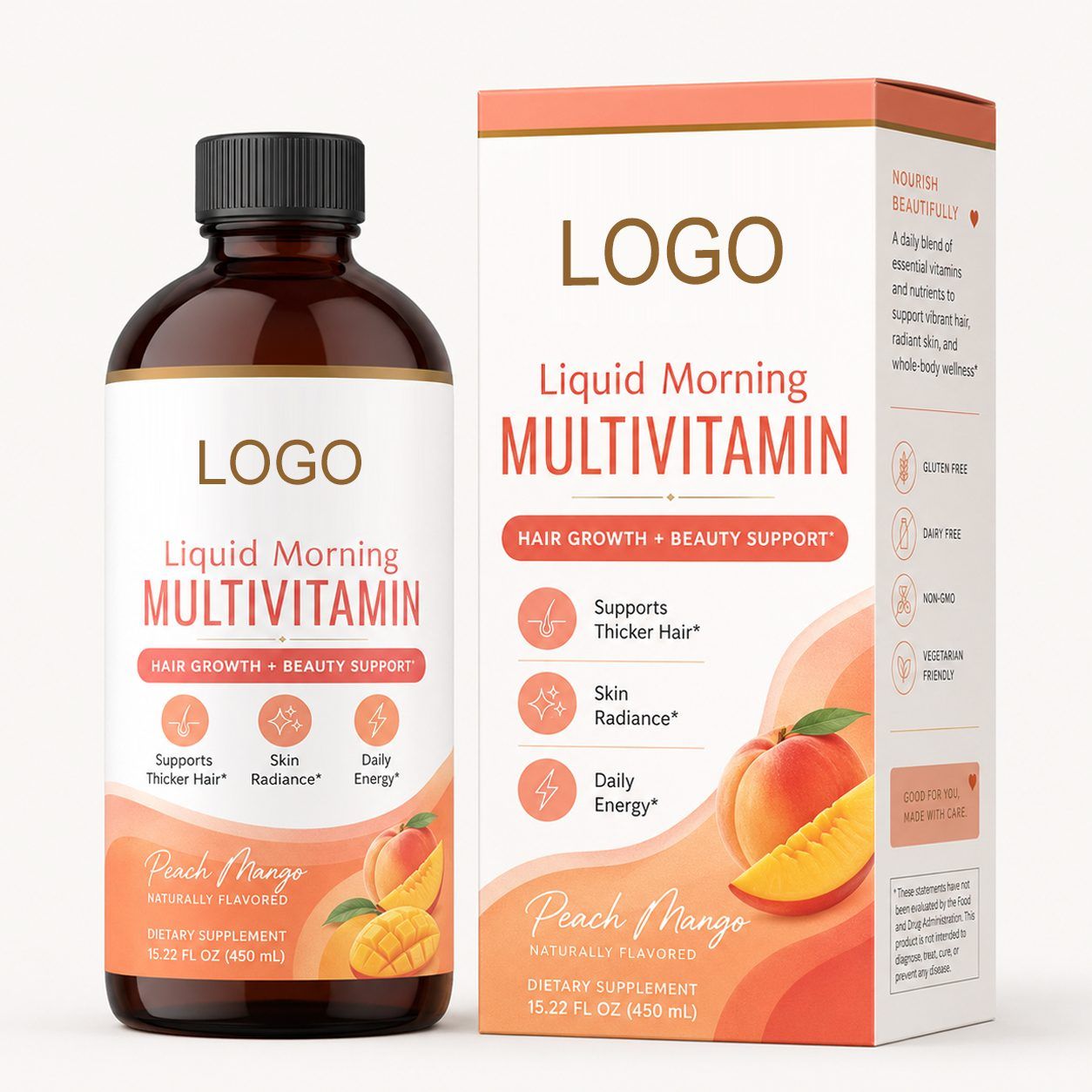
The manufacturing steps that make or break a collagen drink
Four steps separate a clean collagen drink batch from a complaint letter. First, dissolution: peptides disperse fast but supporting actives and sweeteners each have their own hydration behaviour, so addition order and water temperature are specified, not improvised. Second, flavor masking: hydrolyzed collagen carries a distinct savory note that grows with dose, and a formula that tastes fine at 3 g can taste like broth at 10 g — the flavor system is developed against the final dose, never against a sample of a different dose. Third, preservation and pH: a neutral-pH protein-rich liquid is a friendlier environment for microbes than an acidic fruit drink, so the preservative system, the pasteurization choice and the water activity target have to be engineered together. Fourth, fill and seal integrity, where the bottle barrier and the closure decide whether the shelf-life data from the lab survives contact with a distribution warehouse.
Every batch leaves our line with full microbiological release testing and a certificate of analysis, and stability protocols are run on the actual finished pack rather than on a generic container, because oxygen ingress through a cheap PET grade is exactly the kind of variable that invalidates lab data.
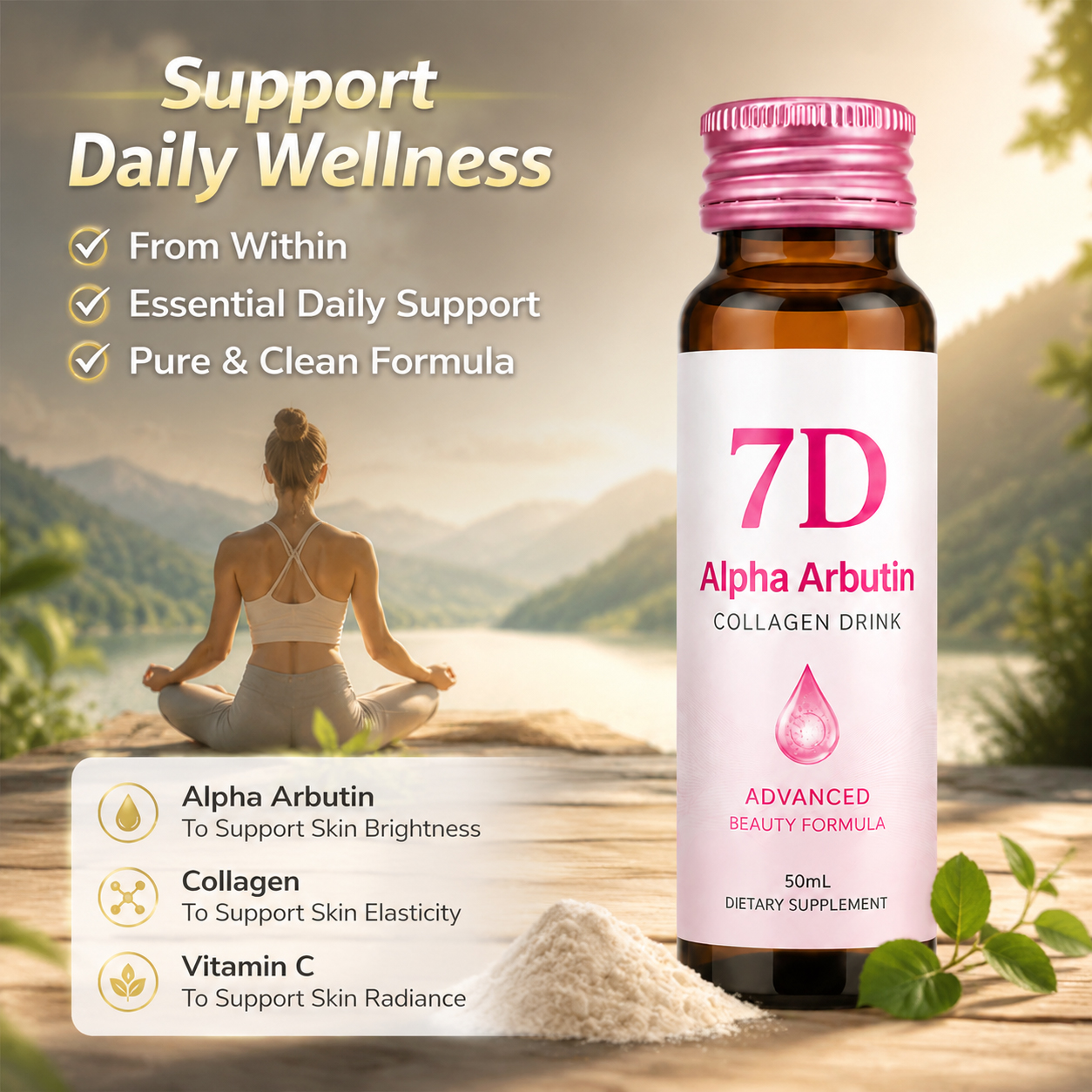
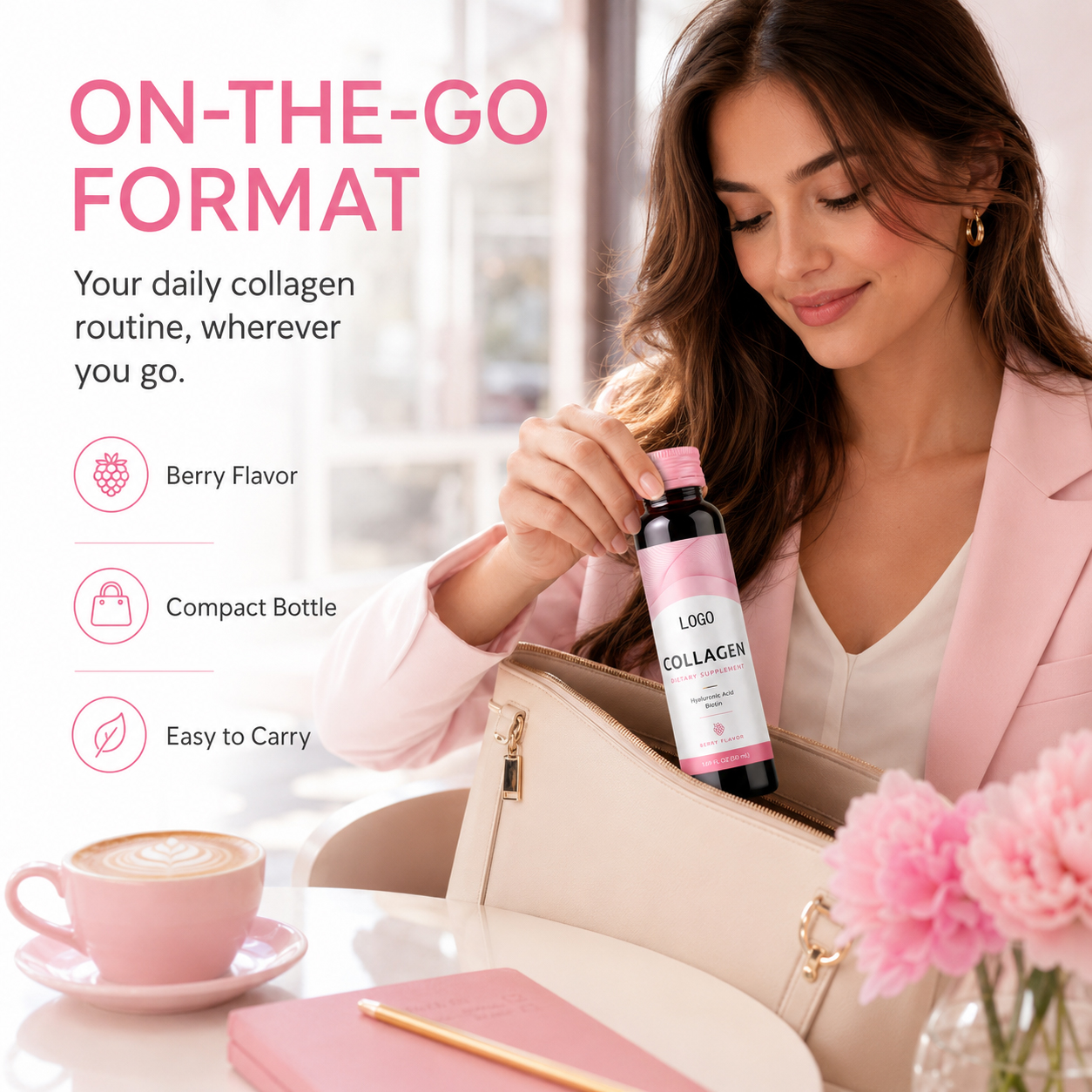
We run collagen drinks as an established liquid category on our oral liquids lines: the 50 mL private label collagen drink is built around hyaluronic acid and biotin in a berry-flavored shot, and the collagen beauty drink delivers 5,000 mg of collagen peptides per bottle with vitamin C, vitamin E and niacinamide. Both take custom formula, flavor, bottle and label work. For the engineering behind the wider liquid category, see our private label liquid supplements guide.
Cost drivers and MOQ: what moves the unit price
The collagen peptides are the single largest cost line — commonly forty to sixty percent of the ex-works cost of the drink — and their price moves with the gelatin market, so a quotation is valid for a window, not forever. Bottle and closure tooling, flavor development, and the pasteurization or aseptic choice make up most of the rest. Minimum order quantities for a bottled drink sit at 500 to 1,000 units for a first production run on our lines, with real economics improving noticeably once a run covers a full pallet pattern per SKU, because changeover time on a liquid fill line is measured in hours, not minutes.
| Cost driver | Direction | What to ask your manufacturer |
|---|---|---|
| Peptide dose and grade | Largest single lever | Price per label claim, not per kilogram; confirm the molecular weight spec |
| Bottle and closure | Fixed cost that amortizes with volume | Whether stock molds exist, and what a custom mold adds to MOQ and lead time |
| Flavor system | Grows with peptide dose | Development against the final dose, with a retained reference sample |
| Preservation route | Hot-fill, pasteurization or aseptic | Which route the line actually runs, and the shelf-life data behind it |
| Freight | Liquid weight is unforgiving | Ocean for re-orders, air for launch stock; DDP options via our US warehouse |
Label claims that survive review
A collagen drink lives or dies on the strength of its claims language. The defensible core is structure-function style wording: that collagen peptides supply amino acids that support the body's own collagen formation, and that vitamin C contributes to normal collagen formation — the latter being an authorized statement in the EU when used with the correct wording and conditions. What the label cannot say is that the drink removes wrinkles, rebuilds joints or delivers any outcome stated as guaranteed. Import rules add a second layer: the EU requires a food supplement label in the market's language with a specific supplement designation, the US requires a Supplement Facts panel with the collagen declared by peptide weight, and market-specific rules decide whether hyaluronic acid or botanical add-ons are even permitted at the intended dose. A manufacturer who runs export documentation weekly can check your target market list against the formula before the label artwork is finalized — after artwork is far more expensive.
How to brief a collagen drink manufacturer
The brief that gets an accurate quotation fast contains six items: the collagen dose per serving and its molecular weight grade if you have one; the supporting actives with doses; the target markets you intend to sell into; the format and fill volume you have in mind, or a willingness to be advised on one; the expected first order quantity; and the claims you intend to print. With those, a factory can confirm the dose fits the format, price the preservation route, and flag any claim that cannot be printed in your markets — usually within one to two business days. Flavor, colour and bottle design can all be settled afterwards; the dose, the markets and the volume are what shape the quote.
Planning a private label collagen drink?
Send us the dose, the target markets and your intended first order quantity, and we will come back with format options, MOQ and an itemized quotation within 24 hours.
Key takeaways
- Collagen drinks carry the highest revenue per unit of any major liquid format, and the longest list of manufacturing decisions that get locked at the first purchase order.
- Most finished drinks deliver 2.5–10 g of hydrolyzed peptides per serving; dose decides viscosity, taste and the flavor budget, so the flavor system is developed against the final dose.
- Neutral-pH protein-rich liquids need the preservative system, pasteurization route and bottle barrier engineered together — shelf-life claims only hold if stability runs on the real pack.
- Bottle format is chosen after the dose: 50 mL shots read premium and mask flavor hardest, 300–500 mL PET carries a full 10 g dose on high-speed lines.
- Peptides are typically 40–60% of ex-works cost; MOQ on our liquid lines starts at 500–1,000 units with economics improving at full pallet volume.
- Defensible claims are structural (supplies the building blocks; vitamin C contributes to normal collagen formation), checked market by market before artwork.
Frequently asked questions
What dose of collagen should a private label collagen drink contain?
Most finished collagen drinks deliver between 2.5 g and 10 g of hydrolyzed collagen peptides per serving. Below about 2.5 g the collagen is closer to a marketing story than a meaningful serving, and above roughly 10 g viscosity and savory taste rise enough to demand a heavier flavor system. The right dose for your SKU depends on positioning and unit price: a 50 mL beauty shot commonly carries 2,500–5,000 mg, while a 300–500 mL daily bottle can carry the full 10 g. Decide the dose first, because it drives the flavor budget, the bottle size and the cost more than any other single choice.
How much does it cost to produce a collagen drink per unit?
The collagen peptides are the largest line, commonly forty to sixty percent of the ex-works cost of the drink, and their price follows the gelatin market so quotations carry a validity window. Bottle and closure, the flavor system and the preservation route make up most of the remainder. Because landed cost also has to absorb the weight of liquid freight, most brand owners ship launch stock by air and re-orders by ocean. Send us the dose, the format and your target markets and we will return an itemized quotation rather than a vague range.
What is the MOQ for a private label collagen drink?
On our oral liquids lines the first production run starts at 500 to 1,000 units depending on the format and how much custom work the bottle and formula need. Economics improve noticeably once a run covers a full pallet pattern per SKU, because changeover on a liquid fill line is measured in hours. Stock bottle molds keep the MOQ low; a fully custom mold adds tooling cost and lead time, and we will quote both routes so you can compare.
Can you add hyaluronic acid, biotin and vitamins to the drink?
Yes — hyaluronic acid, biotin and vitamin C are the classic companions in a beauty-positioned collagen drink, and our existing 50 mL collagen drink is built around hyaluronic acid and biotin while the beauty drink pairs 5,000 mg of peptides with vitamin C, vitamin E and niacinamide. The formulation work is in checking that each active is stable and permitted at its dose in every market you plan to sell into, which is part of the label review we run before artwork rather than after.
What claims can I legally make on a collagen drink label?
The defensible core is structure-function style language: the formula supplies amino acids that support the body's own collagen formation, and vitamin C contributes to normal collagen formation, which is an authorized statement in the EU under its conditions of use. Claims stated as guaranteed outcomes — wrinkle removal, joint repair — are not printable in the major markets. Each destination market adds its own layer: EU language and designation rules, US Supplement Facts format, and market-specific ingredient permissions. We check your intended claims against your target market list before label artwork is finalized.
Do you ship collagen drinks internationally?
Yes. We ship finished collagen drinks to brand partners across North America, Europe, the Middle East, Asia-Pacific and Africa every quarter, including DDP delivery through our own US subsidiary and California warehouse, which turns the last leg into a domestic delivery for American brands. Liquid weight makes ocean freight the sensible default for re-orders and air freight the option for launch stock. Our <a href="/blog/the-ultimate-guide-to-shipping-and-importing-dietary-supplements-globally/">shipping and importing guide</a> walks through HS codes, Incoterms and customs paperwork.
Have a project in mind? We'll come back with MOQ, formula options and lead time within 24 hours.
Request a Quote