Why the Canton Fair still matters for supplement sourcing
The 140th session of the China Import and Export Fair opens on 15 October 2026 at the China Import and Export Fair Complex in Pazhou, Guangzhou, and runs until 4 November. It is bigger than most sourcing teams assume. The spring 2026 session drew 314,000 overseas buyers from 220 countries and regions across an exhibition area of 1.55 million square metres, with 75,700 booths and more than 32,000 participating companies, of which roughly 3,900 were first-time exhibitors. On-site intended export deals reached USD 25.7 billion, and 407 leading global purchasing enterprises attended alongside 154 overseas business organisations.
None of that will help you if you walk into the wrong hall, because the fair is not one event. It is three separate phases with three separate exhibitor populations, and the entire complex is dismantled and rebuilt between them. Medicines, health products, medical devices and food appear in Phase 3 only. A supplement brand that books flights for the opening week will spend five days walking past industrial robots and lawn furniture.
For a supplement brand owner, the practical question is therefore not whether to attend but how to convert a five-day window into a shortlist you can actually act on. That is what this guide covers: which days to book, what to ask at the desk, how to tell a contract manufacturer from an export trader, and what to have in writing before you fly home.
Which phase should a supplement buyer attend?
Phase 3, officially themed Better Life, runs from 31 October to 4 November 2026, and it is the only phase of this autumn session that carries the health, medical, food and personal care sections a supplement brand needs. Phase 1 and Phase 2 are worth adding only if the same trip also covers packaging machinery, housewares or retail display fixtures.
| Phase | Dates | Theme | Main coverage | Useful to a supplement brand? |
|---|---|---|---|---|
| Phase 1 | 15-19 Oct | Advanced Manufacturing | Electronics and appliances, machinery, industrial automation, vehicles, hardware and tools, new energy, chemicals | Rarely - packaging machinery and laboratory equipment at best |
| Changeover | 20-22 Oct | Halls closed to buyers | Exhibitors dismantle and re-fit the entire complex | Yes - the best window for factory visits in the Pearl River Delta |
| Phase 2 | 23-27 Oct | Quality Home Life | Housewares, ceramics and kitchenware, gifts and decorations, furniture, building materials, garden products | Only for gift-with-purchase items or retail display units |
| Changeover | 28-30 Oct | Halls closed to buyers | Second re-fit window before the final phase | Yes - second factory-visit window |
| Phase 3 | 31 Oct - 4 Nov | Better Life | Medicines, health products and medical devices, food, personal care, textiles, toys, stationery, sports | Yes - this is the phase to book |
Two consequences follow. First, a supplement-only sourcing trip is a five-day trip with a Phase 3 buyer badge, not a three-week stay. Second, the changeover windows of 20-22 October and 28-30 October are the only periods when the halls are closed and every supplier is standing still rather than behind a counter. That is precisely when to ask for a plant visit, and it is the single most under-used part of the fair calendar.
Trading company or contract manufacturer?
This is the most expensive distinction in Chinese supplement sourcing, and the health section will put both in front of you without labelling which is which. A trading company buys finished goods or takes a commission on someone else's line. A contract manufacturer owns the plant, the formula library, the quality system and the certificates. Both are legitimate businesses, but only a genuine supplement manufacturer can develop a formula, run a stability study, hold a facility registration in your target market, or answer a question about fill weight without calling someone else.
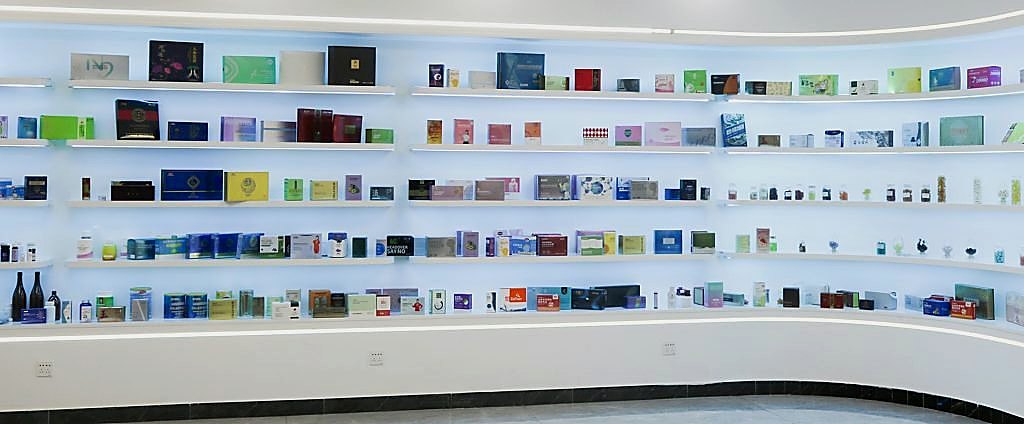
The visual giveaway at a booth is what the product display is made of. A genuine supplement manufacturer shows process: empty shells, bulk drums, a filling nozzle, a filled unit beside its specification sheet. A reseller shows twelve branded bottles across twelve categories, all photographed in the same style. Neither proves anything on its own, but the pattern is a fast first filter before you commit meeting time. Buyers who have not done this before often start with our guide to choosing a contract manufacturer before they travel.
| Supplier type | What it actually controls | What it can hand you at the booth | Where the relationship breaks down |
|---|---|---|---|
| Export trading company | Nothing in production; it holds a client list and a freight forwarder | Quotations, catalogues, copies of a factory certificate of analysis | Any change to formula, pack count or artwork becomes a negotiation you are not in the room for |
| Finished-goods brand owner | Its own trademark and label; contract-manufactures behind the scenes | Retail samples, marketing material, wholesale price list | Will not produce under your brand, or will quote at retail-minus margins that leave no room |
| Contract manufacturer (OEM / ODM) | The plant, the supplement formula library, the quality system and the registrations | Specification sheets, site certificates, sample retain, line photographs | Needs a real brief; a vague enquiry gets a vague quotation |
Supplement documents to ask for at the booth
This filter takes about four minutes and is close to impossible to fake in person. Ask for the documents face to face and watch whether they come out of a folder or are promised by email next week. Manufacturers carry copies of their own certificates; intermediaries cannot, because the certificates are not theirs.
| Document | What it proves | What it means if it cannot be produced |
|---|---|---|
| Facility registration for your target market | The site is registered to manufacture food or dietary supplements for the market you sell into | Either the site is not registered, or the company is not the site commercial agent |
| cGMP, ISO 22000 or HACCP certificate naming the site | A third-party audit of the production building itself | The certificate may belong to a different address from the one making your product |
| Certificate of analysis for a real production batch | Batch number, test results, specification limits and releasing signature in one document | Quality control is outsourced, or only marketing-grade documents exist |
| Formula specification sheet with fill weight or dose per unit | The supplier works to a written specification rather than a house recipe | Your supplement order will be quoted against a catalogue item you cannot inspect |
| Halal, Kosher or organic certification where relevant | Certification issued against a specific supplement product and site, not a logo file | The claim cannot be printed on your retail or marketplace listing |
| Draft label artwork for a live market | The supplier has written compliant supplement label text for a real market before | You will pay a regulatory consultant to rewrite the label from scratch |
Cross-border group structures are common in Chinese manufacturing. The certificate you are handed may name a parent company, a sister plant or a Hong Kong trading arm, while the purchase order is signed by a third entity and the goods are made at a fourth address. Ask for the business licence of the signing entity and confirm that the site named on the certificate is the site that will run your batch.
Twelve questions that separate a supplement factory from a reseller
The purpose of these questions is not to obtain the answer. It is to see whether the answer contains a number, a name and a process. A reseller answers with adjectives.
- Which building on your site runs this dosage form, and how many lines does it hold?
- How many supplement formulas do you hold in your own library for this category?
- What fill weight range can your encapsulation line hold without a tooling change?
- Who signs the certificate of analysis - an in-house laboratory or an external one?
- Can I see a redacted batch record for a product in the same dosage form?
- What is your normal change-over time between two products on the same line?
- How long is your stability programme, and at which temperature and humidity conditions?
- Which markets do you already ship this supplement format to, and under which label rules?
- What is the shortest lead time you have actually delivered in the last six months?
- Which certifications are held by this site rather than by a group company?
- What is your standard procedure if a supplement batch fails release?
- Who will be my technical contact after the fair - a salesperson or a formulator?
Write the answers down in the booth, not afterwards. By the end of the second day the conversations merge, and the supplier whose formulator answered question twelve directly is the one you will have forgotten you liked.
Use the changeover days for the part that actually de-risks the project
Phase 3 ends on 4 November, so the two earlier gaps, 20-22 October and 28-30 October, are the only long stretches in the fair calendar when the halls are closed to buyers. Guangzhou supplement manufacturing sits inside a two-hour radius: Foshan, Dongguan, Shenzhen, Huizhou and the outer districts of Guangzhou itself. A half-day drive from Pazhou reaches most of it.
A plant visit answers questions the show floor cannot. You can see whether the line runs at the rate the brochure claims, whether the warehouse is temperature-mapped, whether the QC laboratory has reference standards on the bench, and whether the people who will make your batch look like they have done it before. For an OEM or ODM project, one morning inside the plant is worth more than a full day of meetings, because a booth conversation shows you what a supplier wants you to believe and a plant visit shows you what it does on an ordinary Tuesday.
See our manufacturing facility and the in-process quality controls that run on every batch. Our plant in Zengcheng is roughly an hour from the Pazhou complex, so if you are in Guangzhou for Phase 3 a visit can be arranged around the fair calendar, including during the changeover windows when the halls are shut.

What to bring with you
The brands that get signed quotations out of a trade fair are the ones that arrive with a document, not an intention. A supplier sitting opposite a buyer with a fixed brief can quote on the spot; a supplier sitting opposite a buyer describing a general idea has to follow up with questions, and the follow-up is where the project stalls.
- One fixed brief for the supplement you want: dosage form, dose per serving, servings per unit, pack count, packaging format and target market.
- Your intended label claims, written out, so the supplier can flag anything that is not permissible in your market.
- One example of a compliant supplement label from your market, so the artwork conversation is concrete.
- Your target landed cost per unit, held back rather than disclosed - it is a check on quotes, not a brief.
- A tablet or laptop with your supplement certificate of analysis template, so you can compare documents like for like.
- Your buyer badge pre-registered online, because badge collection queues are longest on the first morning of each phase.
- Hotel booked in good time; Pazhou accommodation fills weeks before Phase 3 and prices move sharply.
- A follow-up email drafted before you leave home, so it takes minutes rather than an hour to personalise and send.
A five-day Phase 3 plan that ends in supplement samples, not business cards
This is a recommendation rather than a survey result: it reflects where supplement projects usually lose time. Most teams under-budget documentation review and over-budget walking the halls, then discover in week three that the supplier they liked cannot write a compliant label for their main market.
- Day 1 - scout the supplement, health and food sections without committing to meetings. Note booth numbers, judge supplier type from the product display, and shortlist a maximum of eight candidates.
- Day 2 - hold structured meetings of 30-45 minutes with the shortlist. Bring the single fixed brief, request documents at the desk, and take notes on who answered which question.
- Day 3 - run the twelve identification questions and ask for a written quotation against the brief, plus a sample lead time and a named technical contact.
- Day 4 - spend the day in plants rather than in halls. Book visits in advance; a half-day drive from Pazhou covers most of the Pearl River Delta manufacturing belt.
- Day 5 - return to the two strongest supplement suppliers, close the open documentation items, and agree a sampling slot with a specific date. Sign nothing on the exhibition floor.
- Within 48 hours of landing - send one follow-up email per shortlisted supplier restating the brief and the numbers agreed. Compare the replies.
Supplement cost, minimum order and lead time: calibrate before you compare
Quotations collected at a fair are only comparable if the parameters underneath them are the same. Two suppliers quoting what sounds like the same 60-count capsule supplement can differ by 40 percent in unit cost because one is quoting a 500-unit minimum on a stock formula and the other a 5,000-unit custom blend on new tooling. Ask every supplier for the same six figures and write them into your notes at the booth.
| Stage | Typical range to expect | What a vague answer usually means |
|---|---|---|
| Minimum order quantity | From 500-1,000 units per formula on low-MOQ projects | A very low minimum often excludes tooling, artwork or stability testing from the price |
| Stock supplement formulas | 10,000+ in-house formulas across seven dosage forms | If the library is thin, every brief becomes a new development cost |
| Sampling | 7-10 days from formula confirmation | A two-day promise usually means a stock sample, not your formula |
| Bulk production | 15-25 days depending on dosage form and packaging | A fixed ten-day promise across all supplement formats is a sales answer, not a schedule |
| Ocean freight to North America | 18-25 days; air freight 5-8 days | Ask whether the figure is port-to-port or door-to-door; they are different numbers |
| Fulfilment into the United States | DDP delivery in 2-5 business days from a US warehouse | Buyers importing supplement stock under their own bond need documents, not a promise |
Notice what is missing from that table: a unit price. It is absent deliberately, because unit cost is an output of dose, dosage form, count, tooling and packaging, and any single figure quoted before those five are fixed is a placeholder designed to keep the conversation alive. Bring a fixed brief to the fair rather than a budget, and the numbers you collect will be comparable within a week.
The supplement compliance conversation most buyers skip
For a United States launch, the importer - you - is the party responsible for verifying the foreign supplier. Under the FDA Foreign Supplier Verification Program that means holding hazard analysis and preventive controls documentation for your file, not only a certificate of analysis. Ask the supplement manufacturer at the booth what it can provide for an FSVP file. The answer separates plants that regularly serve United States importers from those that have only ever shipped to a trading company that handled the paperwork.
Label rules differ by market in ways that change the artwork timeline. A United States supplement label carries a Supplement Facts panel and a DSHEA disclaimer for any structure or function claim. A European Union label may only use health claims from the EU Register, and an ingredient outside the traditional food supply can trigger a novel food assessment before the product may be sold at all. Ask to see the supplier draft label for the market you are entering; our guide to FDA, cGMP and Halal requirements lists the full document set.
Most formulation delays are not chemistry problems. They are claim problems: an ingredient with no authorised claim in the target market, a dose below the threshold that supports the claim, or a structure and function claim that reads as a disease claim. Handing the supplier your intended claims alongside the ingredient list turns a two-week exchange into one meeting.
After the fair: from sample to signed order
Back-to-back booth conversations blur quickly, so the discipline that matters is the fortnight afterwards. Request supplement samples against your confirmed formula rather than a stock reference, and ask for the certificate of analysis for the exact batch the sample came from. Taste and appearance are the least useful approval criteria, because what you are approving is the specification: fill weight, assay, disintegration, microbial limits and the stability data that supports the shelf life printed on your label.
Once a specification is signed, the arithmetic is straightforward. Sampling runs 7-10 days, bulk production 15-25 days depending on dosage form and packaging, and ocean freight adds 18-25 days to North America. A brand that wants stock on a United States shelf for a spring launch is therefore working backwards from a decision made in November. Our MOQ and lead time guide sets out the full sequence, and the import and shipping guide covers HS codes, Incoterms and customs documents for the leg after that.
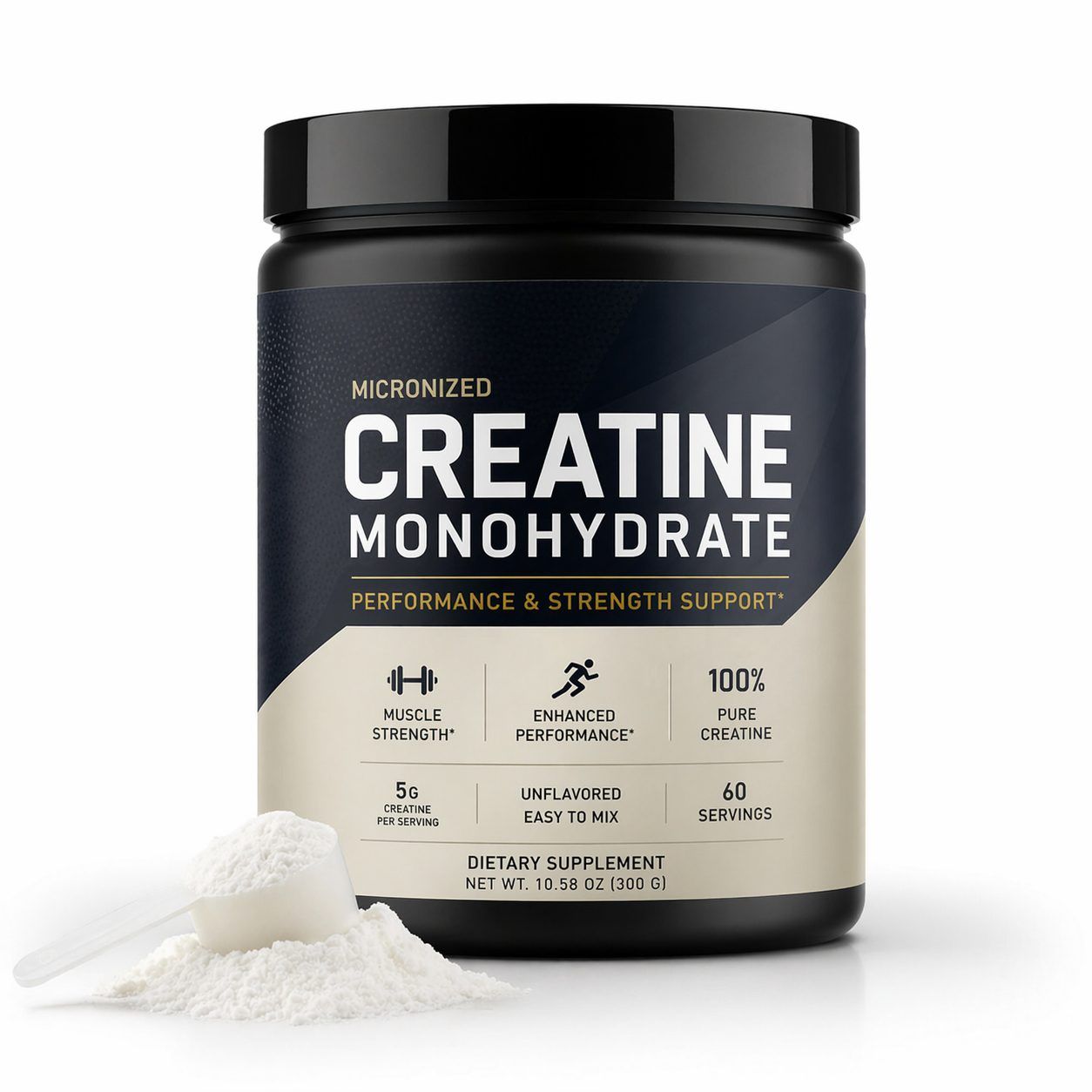
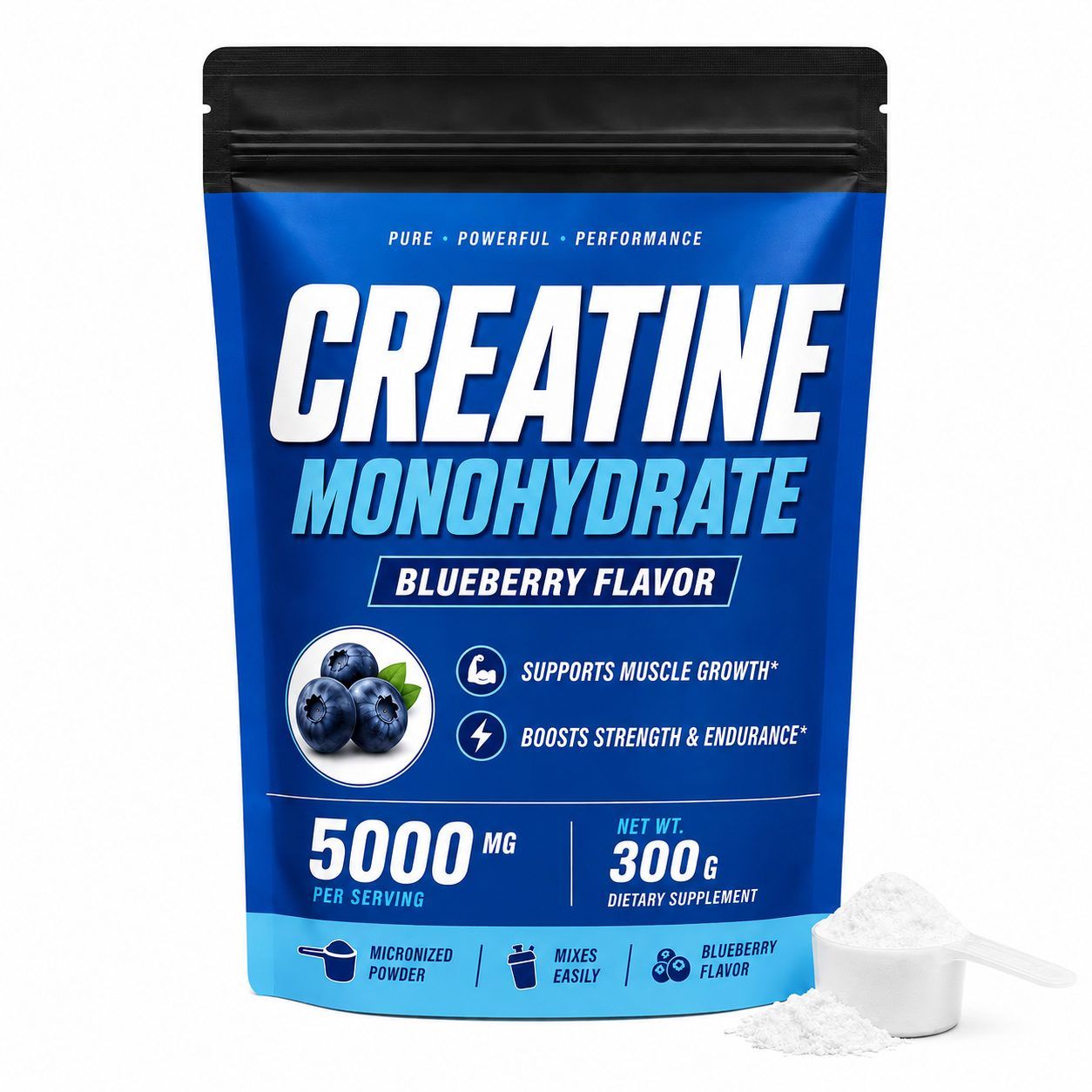
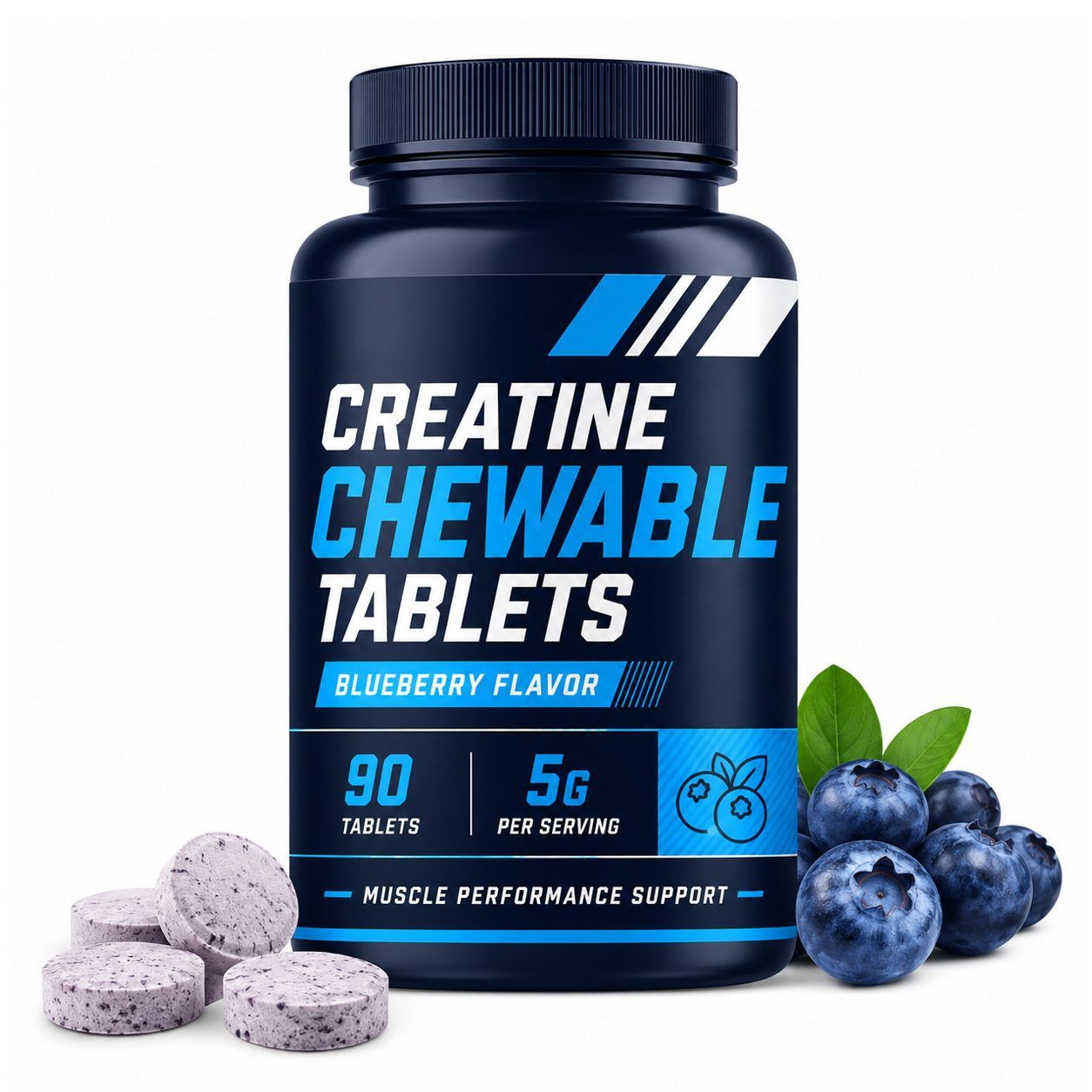
Our supplement product range shows the seven dosage forms we run in Guangzhou - capsules, tablets, softgels, powders, gummies, oral liquids and drops - with specifications, pack counts and packaging options behind each one, so a format you shortlist on the show floor can be costed against a real specification such as creatine monohydrate powder rather than a photograph.
Coming to Guangzhou for Phase 3?
Send your supplement brief before you travel and we will prepare a specification, a sampling plan and a factory visit slot around the fair calendar. Quotations against a fixed brief are returned within 24 hours.
Canton Fair supplement sourcing checklist
- Book Phase 3: 31 October to 4 November 2026 - the health, medical and food sections appear in no other phase.
- Use the changeover gaps of 20-22 and 28-30 October, when the halls are closed and factories are free.
- Separate trading companies from supplement manufacturers before investing meeting time in either.
- Ask for facility registration, a site-named cGMP certificate and a real batch certificate of analysis at the desk.
- Confirm that the legal entity signing the purchase order matches the site that will make the goods.
- Bring one fixed brief so that quotations from different suppliers are genuinely comparable.
- Budget a quarter of the trip for plant visits rather than for the exhibition floor.
- Compare replies after the fair: the speed of an accurate written answer predicts delivery performance.
Sources
- China Import and Export Fair - official phase dates and exhibition sections
- 139th Canton Fair closes with record international attendance - China Daily, 6 May 2026
- 139th Canton Fair concludes with a record-breaking 314,000 overseas buyers - Guangzhou Municipal Government, May 2026
- US Food and Drug Administration - Foreign Supplier Verification Programs (FSVP) for importers of food
- European Commission - EU Register of nutrition and health claims
Key takeaways
- The 140th Canton Fair runs 15 October to 4 November 2026 in Guangzhou, and dietary supplements, health products and food sit in Phase 3 only.
- Phase 3 runs 31 October to 4 November; the changeover windows of 20-22 and 28-30 October are when the halls close and factory visits become practical.
- A large share of health-section exhibitors are export traders, not contract manufacturers - ask who owns the plant, the formula library and the certificates.
- Four documents separate a verified supplier from an unverified one: facility registration, a site-named cGMP certificate, a real batch certificate of analysis and a specification sheet.
- Bring a fixed brief and your intended label claims so quotations are comparable and compliance gaps surface before you leave.
- Sampling runs 7-10 days, bulk production 15-25 days and ocean freight 18-25 days, so a November decision lands stock in the first quarter.
Frequently asked questions
Is there a dietary supplement section at the Canton Fair?
Yes, but it is not labelled as one. The health and food sections sit inside Phase 3, alongside medicines, medical devices, personal care and food. Dietary supplements are exhibited as health products, so expect supplement brands to be mixed in with herbal and traditional preparations and functional foods rather than gathered in a single dedicated hall.
Which phase of the Canton Fair should supplement brands attend?
Phase 3 only, unless the same trip also covers packaging machinery or retail fixtures. Phase 1 is built around electronics, machinery, vehicles and industrial equipment, and Phase 2 around housewares, gifts, furniture and building materials. Neither carries health or food exhibitors, and the exhibitor population is completely replaced between phases.
Can I visit a supplement factory during the Canton Fair?
Yes, and the fair calendar makes it easier than usual. The halls close to buyers during the changeover windows of 20-22 October and 28-30 October, and the days immediately after Phase 3 ends on 4 November are also free. Guangzhou manufacturing, including Foshan, Dongguan, Shenzhen and the outer Guangzhou districts, is within roughly two hours of the Pazhou complex.
What documents should I ask for at a supplement manufacturer booth?
Ask in person for four things: the facility registration for your target market, a cGMP or ISO 22000 certificate that names the manufacturing site, a certificate of analysis for a real production batch rather than a sample, and a formula specification sheet showing fill weight or dose per unit. If those cannot be produced at the booth, treat the supplier as unverified until they are.
Is it cheaper to source supplements at the Canton Fair than online?
Not automatically. Fair pricing is usually competitive on stock formulas and larger volumes because you are meeting the supplier directly and no platform commission sits in the middle. The larger saving is structural rather than per-unit: you can compare specification sheets in person, verify documents and walk the plant, which reduces the cost of a bad first order far more than a few cents per bottle.
How long does it take from a Canton Fair meeting to a finished order?
A realistic sequence is two to four weeks after the fair to settle the specification and receive samples, a further 7-10 days from formula confirmation for the sample batch, 15-25 days of bulk production, then 18-25 days of ocean freight to North America. A project briefed in early November therefore lands in the United States during the first quarter of the following year.
Have a project in mind? We'll come back with MOQ, formula options and lead time within 24 hours.
Request a Quote