Where the second product decision actually sits
The question usually arrives a few weeks after the first reorder. The hero SKU is selling, the reviews are steady, and the founder asks what to launch next: a second flavour, a bigger count, a gummy version, or something adjacent to the category. Each of those answers commits cash in a different way, and two of the four can quietly double finished-goods inventory without moving revenue at all.
A supplement line extension is not one decision but four, and they are priced differently. This guide separates the four moves, shows where the money actually repeats per SKU rather than per formula, and walks through the drum, print and forecast arithmetic that decides whether a second product funds the first or competes with it for the same shelf and the same working capital. Each move is a supplement line extension in its own right, with its own numbers attached.
The four ways to extend a supplement line
Most extension conversations mix four fundamentally different moves, and the cost of each is decided by what changes in the factory, not by what changes on the label. Naming the move first prevents the most expensive mistake in the category: treating a format change like a flavour swap because both are described as adding one more SKU.
| Move | What changes in the plant | Development work | New commitment | Time to approved sample |
|---|---|---|---|---|
| Flavour variant | Flavour system and the artwork panel | One bench round plus a sensory recheck | A full MOQ and a print run per SKU | 7-14 working days |
| Count or strength tier | Pack size, panel and price point | A specification line, usually not a new formula | A full MOQ for the new count | 5-10 working days |
| New format | Process, tooling and shelf-life behaviour | Pilot batch plus a new stability file | Tooling or plate costs on top of a full MOQ | 4-8 weeks |
| Adjacent formula | Everything from the actives up | Full development, usually three sample rounds | A complete new project budget | 12-16 weeks |
The first two moves are variants; the last two are projects. A variant borrows a validated formula and pays for packaging and inventory. A project pays for development, tooling and stability before a single sale exists. Budgeting a variant as a project wastes six weeks, and budgeting a project as a variant usually ends with a launch pushed two quarters.
If the move under discussion is a new format, read the dosage form comparison guide first, because the format decides the dose ceiling, the pack cost and the shelf-life behaviour before any commercial argument starts.
A format change is a project, not a variant
The same 5 g creatine monohydrate serving exists on this site in three very different commercial shapes: a 400 g powder tub carrying 80 servings, gummies dosed at 1,000 mg per two-gummy serving in a 120-count bottle, and a 90-count chewable tablet pack. The powder SKU is the cheapest way to deliver 5 g per day. The gummy SKU is not a cheaper powder; a gummy tops out near 1,000 to 1,250 mg of creatine before texture and sweetener load fail, so it sells convenience and a 2,000 mg habit, and it needs ten gummies to match the tub. The chewable pack sits between them, selling a no-scoop routine at a serving weight that is mostly tablet mass rather than active.
That is why the creatine monohydrate powder page and the gummy range are not competing offers. They are different products that happen to share an active, and a line that positions them as interchangeable will watch the cheaper one cannibalise the better one.
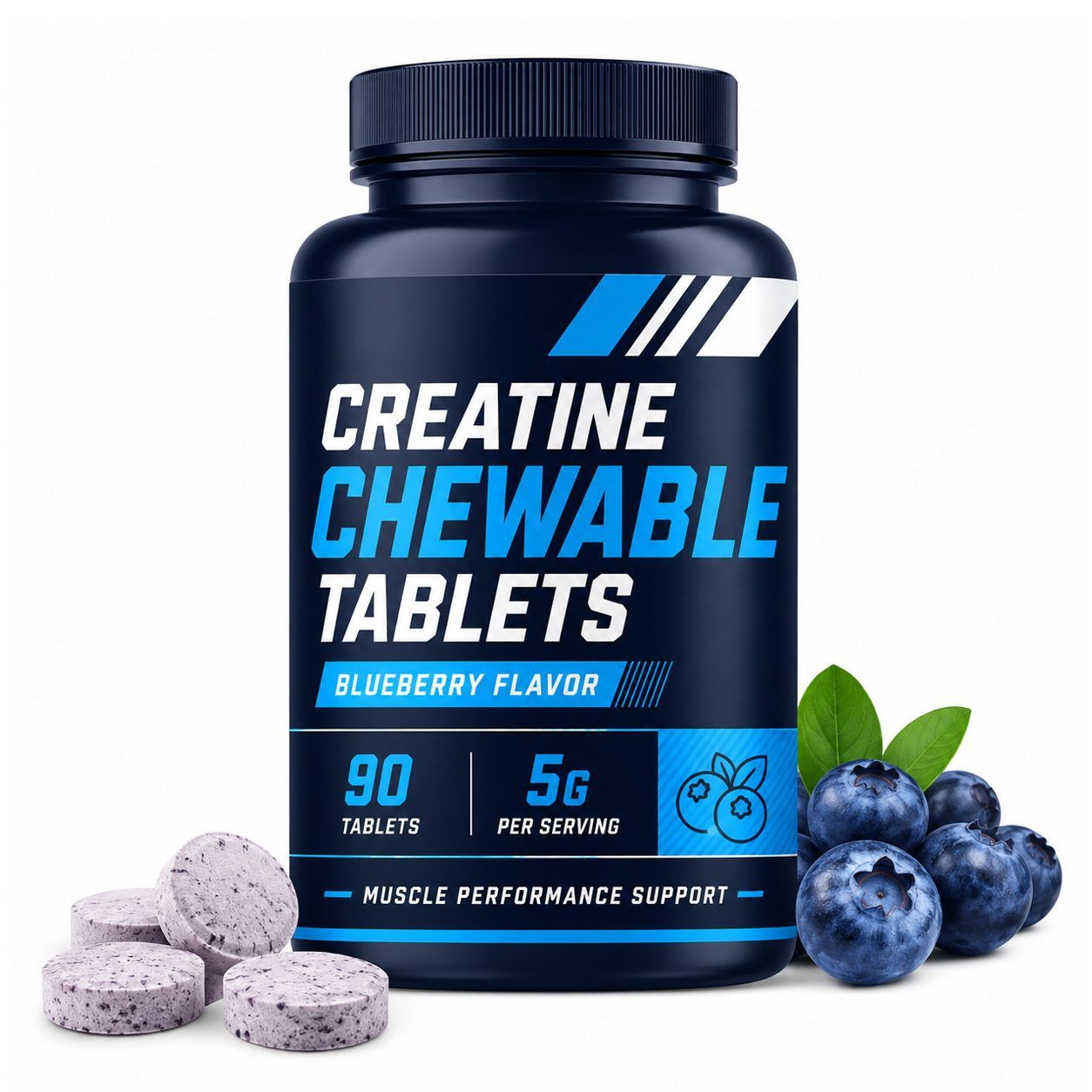
Format economics also hide in the pack. A 90-count bottle needs new tooling and a new filler setup, a new specification line, its own stability file and a full minimum order before it earns anything. The development calendar for a format move runs four to eight weeks to an approved sample, against one to two weeks for a flavour variant, and the pilot batch that a format move requires is not optional. Budget a format move as a new SKU from the first sample onward, because that is what the plant treats it as.
Why a flavour variant is still a new SKU
The most common mispricing in range planning is treating a flavour as a line item on the same order. It is not. The minimum order applies per SKU, the label artwork is per flavour, and the print run is per artwork version. Three flavours mean three artwork versions, three print minimums, three lot codes and three pools of finished inventory to forecast, finance and eventually discount. Print minimums are the part nobody checks early: pressure-sensitive label runs commonly start around 1,000 to 5,000 pieces per version, while printed roll film or pre-printed pouches frequently carry five-figure minimums per artwork.
If every flavour variant ships in the same pouch or bottle, the filler settings, the dieline geometry and the carton spec stay unchanged, and the new flavour becomes a label decision instead of a film decision. Ordering stock, unprinted pouches with pressure-sensitive labels per flavour converts a five-figure print commitment into a four-figure one, which is usually the difference between affording a third SKU and not.
| Cost line | Why it repeats per flavour | Scale of the commitment |
|---|---|---|
| Artwork and print setup | Each flavour needs its own panel version and print plates | Fixed per SKU, small but never zero |
| Packaging print minimum | Labels and film are ordered per artwork, not per formula | Usually the largest single line for a variant |
| Release testing per batch | A new SKU gets its own micro and identity lines on the COA | Modest, recurring on every batch |
| Finished-goods inventory | Each flavour is a separate lot to forecast and finance | The silent cost; it compounds every quarter |
| Forecast risk | Units that miss their sales window become markdowns | Where flavour variants usually lose money |
The raw material buy is the real economy
What makes a family affordable is that the variants share one raw material buy. The arithmetic is unforgiving in both directions. At a 1,000-unit minimum order, a 400 g powder tub program alone commits roughly 400 kg of finished blend, which is sixteen 25 kg drums of the active before the first unit is sold. A 300 g pouch program commits about 300 kg per 1,000 units of each SKU. A gummy program, by contrast, commits only about 60 kg of creatine per 1,000 bottles, because each 120-count bottle carries 60 g of active. The powder family is where drum-count discipline decides whether the next SKU is affordable.
The factory-side lever is the base blend. If the master blend is kept unflavoured and the flavour system is dosed at the final blend stage, one raw material purchase covers the whole flavour family, and each variant needs only a sensory recheck and its own release testing rather than a new formula. Ask for the base blend to be frozen before the first variant is sampled; the alternative is a separate blend for every flavour, which multiplies both the raw material minimum and the blending cost.
The bar chart is illustrative and reads from the pack sizes published on the product pages, but the shape of it is the point: format, not flavour, decides how much active each SKU locks into inventory. A brand that adds a second powder SKU doubles its drum commitment; a brand that adds a gummy SKU adds a rounding error of active and a new cost structure somewhere else entirely, in the gel mass, the moulds and the packing line.
How many SKUs a young line can actually support
A workable ceiling comes from the working capital arithmetic rather than from ambition. Each SKU carries a minimum order at the factory plus a print minimum at the converter, so the committed cash is roughly unit cost times 1,000 times the number of SKUs, before marketing. The practical rule most operators converge on: do not add a SKU until the hero shows two to three months of repeat purchase data, and expect the leading two flavours to carry well over half of the units in a consumer powder range. The third and fourth flavours are rarely profitable on their own; they exist to fill a shelf fascia or to feed a retail buyer who insists on choice, and they should be planned as a cost of doing retail, not as growth. That ceiling is what keeps a supplement line extension a growth move rather than a storage plan.
| Stage | Typical SKU count | What the stage proves | Cash discipline |
|---|---|---|---|
| Launch | 1 | That the hero sells and reorders exist | All budget on one pack and one artwork |
| First extension | 2-3 | Whether a second flavour or count adds volume or splits it | Only after 2-3 months of hero sell-through |
| Range build | 4-6 | Which sub-family earns its shelf slot | One new SKU per quarter, not per month |
| Trim | back to 3-4 | That the range serves the forecast, not the catalogue | Retire the slowest SKU before adding the next |
The sequence that protects the forecast
Order matters as much as count. Flavour variants of the winning format come first, because they reuse the validated formula and the existing pack. A second format comes only after the hero proves demand, and an adjacent formula comes last, because it restarts development entirely. Brands that sequence this way extend a range inside an existing forecast; brands that skip ahead fund two launch calendars at once and discount one of them.
What a flavour change does to stability, sweetener cost and taste stability over shelf life is covered in detail in the guide to supplement flavours and sweeteners, and it is worth reading before promising a three-flavour launch to a retail buyer.
- Launch one hero and hold the second SKU until there are two to three months of sell-through data.
- Name the extension move before the flavour: variant or project.
- Keep one pack size across flavour variants so filler settings and dielines stay unchanged.
- Order stock pouches with pressure-sensitive labels for variants instead of printed film.
- Freeze the base blend and dose the flavour system at the final blend stage.
- Get the print minimum per artwork in writing before approving a three-flavour launch.
- Run the drum arithmetic: raw material committed per 1,000 units for each new SKU.
- Book a sensory recheck and release testing for every variant, even when the formula is unchanged.
- Give each SKU its own forecast line and review it monthly, not quarterly.
- Set a retirement rule: the slowest SKU is retired before the next SKU is added.
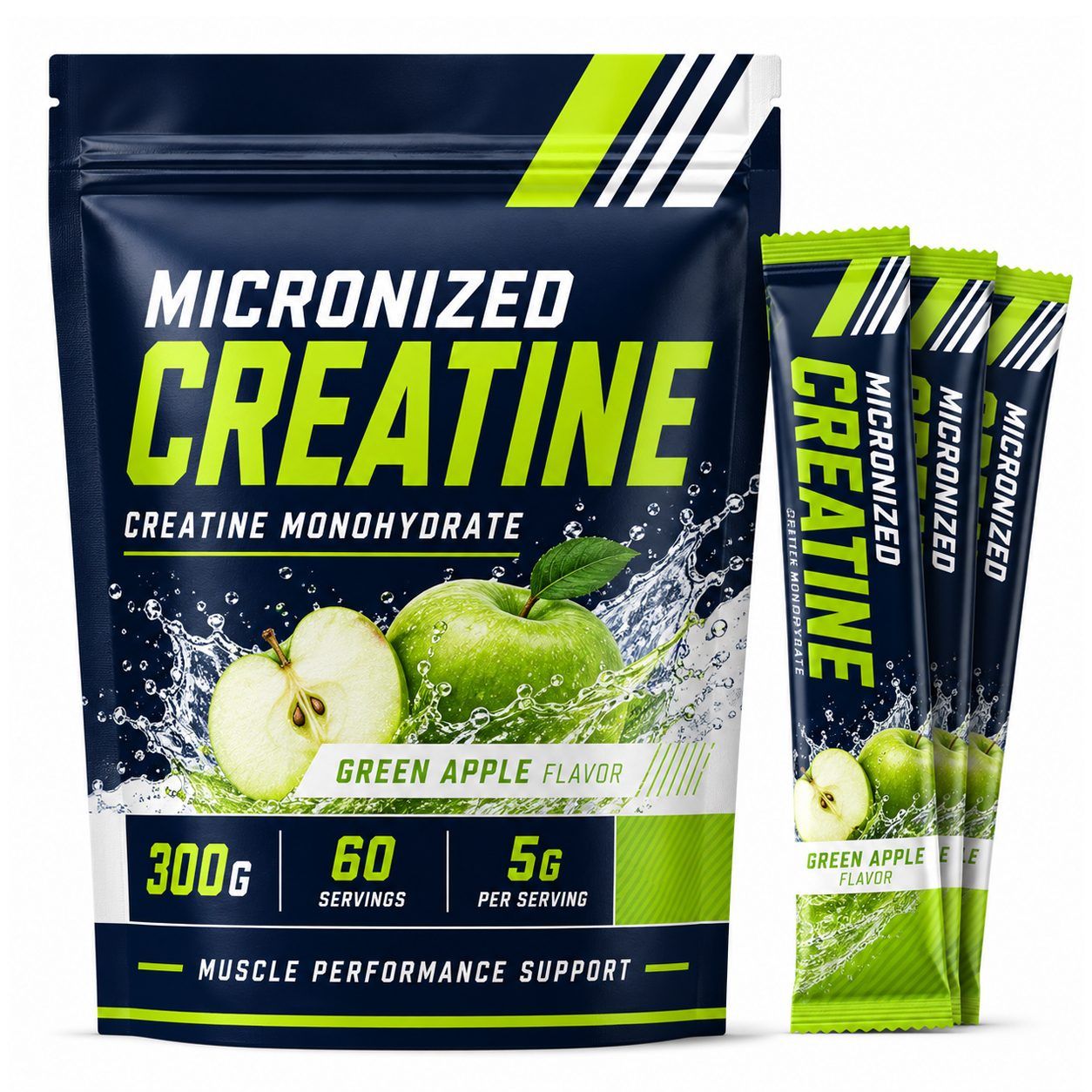
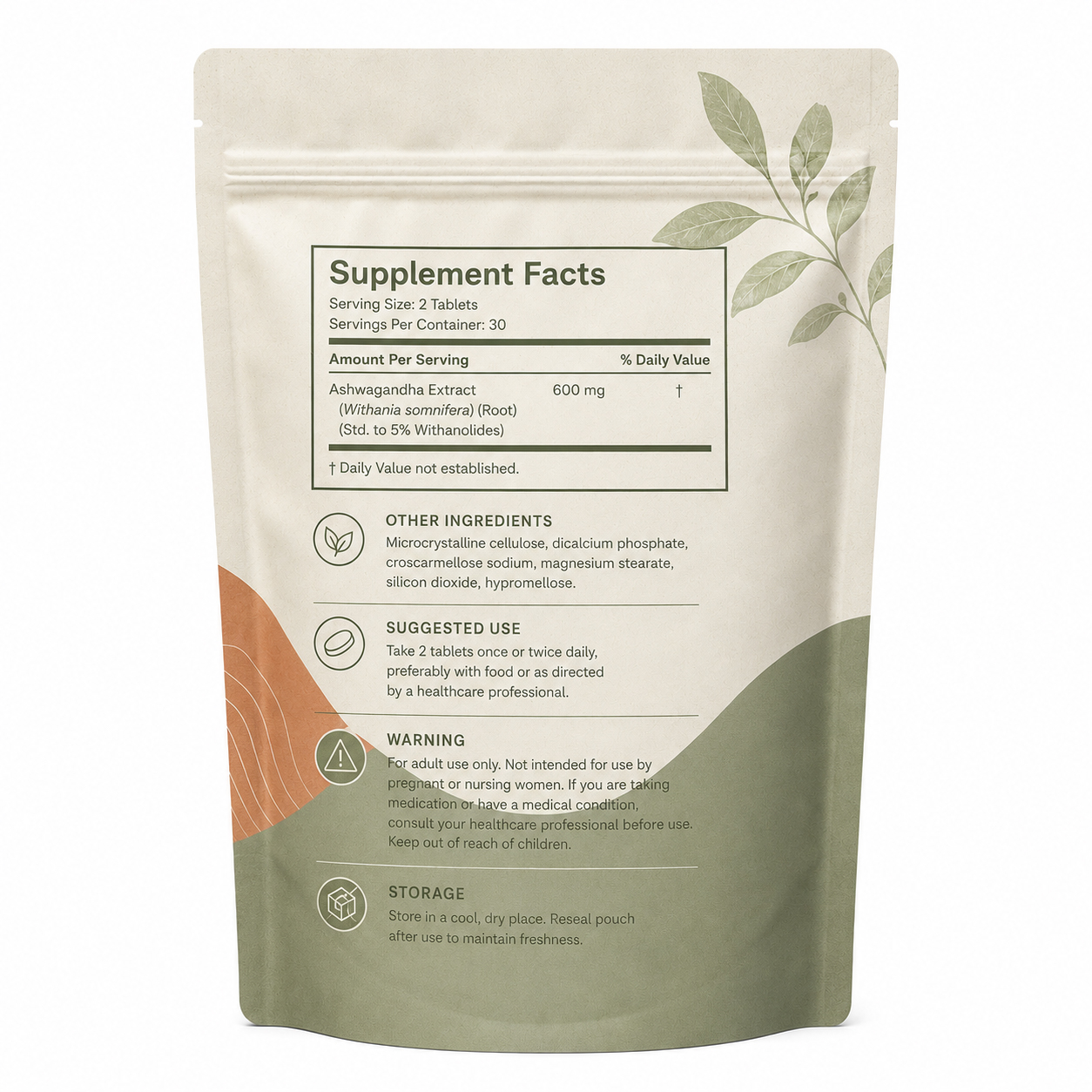
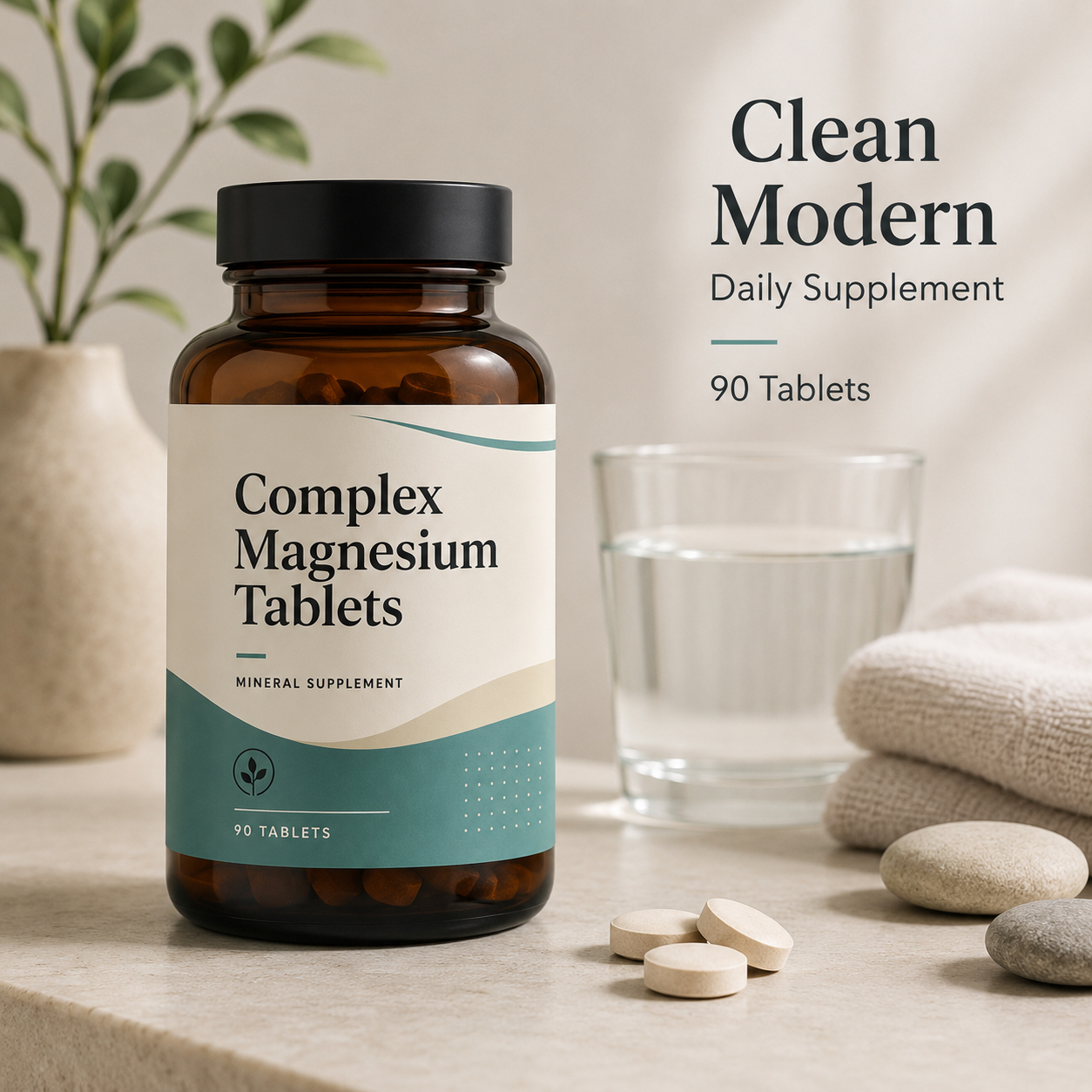
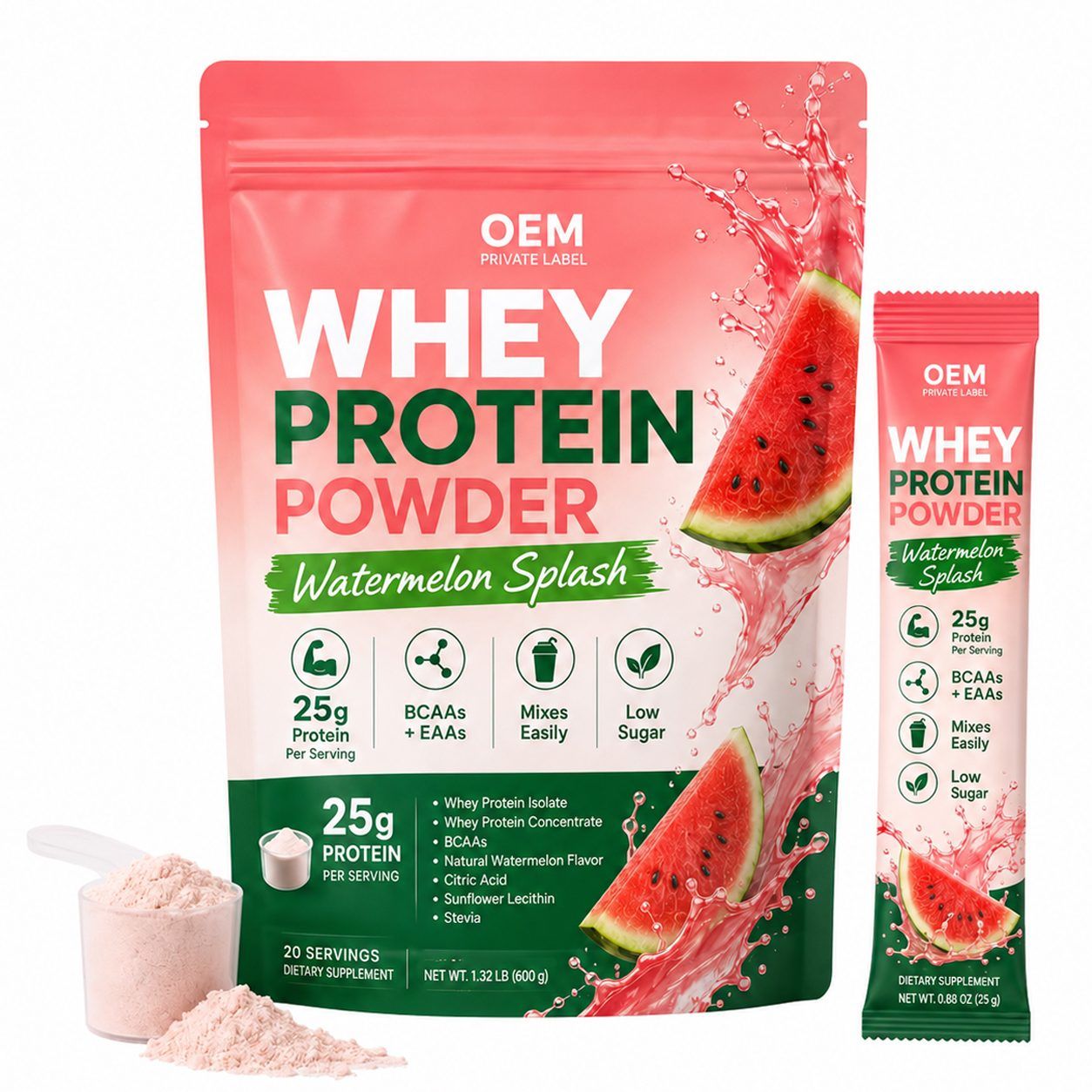
The green apple and blueberry pouches in these photographs are the same product in two flavours, which is exactly what a disciplined extension looks like: the blend, the serving and the pack are identical, and the only new commitments are the flavour system, the artwork version and the inventory. That is the version of a second SKU that funds growth rather than a warehouse.
Price the second SKU before you commit to it
Send us the hero product and the move you are considering, whether it is a flavour, a count, a format or an adjacent formula, and we will come back with the drum, print and MOQ arithmetic for your supplement line extension plus sample timing.
What a line extension really costs
- There are four extension moves, and only two of them are variants; the other two are projects with development calendars of their own.
- The minimum order and the print run both repeat per SKU, so three flavours mean three artwork versions and three inventory pools.
- One pack size across flavours converts a film commitment into a label commitment and keeps the filler unchanged.
- Format decides the raw material commitment: 400 kg of active per 1,000 tubs against roughly 60 kg per 1,000 gummy bottles.
- Gate every supplement line extension on two to three months of hero repeat data, and expect the top two flavours to carry most units.
For the order-level numbers behind the arithmetic above, the MOQ and lead time guide and the unit cost breakdown cover the count ladder and the per-unit cost buckets in full.
Where a supplement line extension ends up on the P and L
Run the numbers honestly and a second product is a financing decision. Committed cash equals the minimum order times unit cost for each new SKU, plus the print minimum, plus the marketing spend that a new pack needs to earn its first reorder. Recovered cash equals units sold times margin per unit over however long sell-through takes. A variant of a validated formula can pay back inside a quarter when the hero is strong. An adjacent formula rarely pays back inside two, because it carries development, tooling and stability costs that the hero already amortised. Brands that write both numbers down before the purchase order are the ones still shipping a tight range three years later, which is the whole point of a disciplined supplement line extension.
Key takeaways
- A supplement line extension is four different moves priced differently: flavour variant, count tier, new format and adjacent formula.
- Minimum orders and print runs repeat per SKU, so every flavour adds an artwork version, a print commitment and an inventory pool.
- Keeping one pack size across flavours and ordering stock pouches with labels is the cheapest way to widen a range.
- Format, not flavour, decides the raw material commitment: about 400 kg of active per 1,000 powder tubs versus roughly 60 kg per 1,000 gummy bottles.
- Sequence variants of the winning format first; a new format is a project and an adjacent formula restarts development entirely.
- Gate every new SKU on two to three months of hero sell-through, and retire the slowest seller before adding the next.
Frequently asked questions
How many SKUs should a new supplement brand launch with?
One, in most cases. A single hero SKU concentrates the minimum order, the print budget and the marketing spend on one pack that has to prove demand. Add a second SKU only after the hero shows two to three months of repeat purchase data, and add the second as a variant of the winning format rather than as a new project. Ranges grow back from the trim stage more often than they grow forward from the launch stage.
Do MOQs apply per flavour or per formula?
Per SKU. The factory minimum, the label print minimum and the lot of finished goods are all per flavour, because each flavour is a separate artwork version, a separate print run and a separate forecast line. What is shared is the raw material buy: if the base blend is frozen and flavour is dosed at the final blend stage, one raw material purchase covers the whole flavour family.
Can I add a flavour without redoing stability testing?
Usually a full new stability file is not required when only the flavour system changes in an otherwise frozen formula, but a sensory recheck over accelerated conditions is, because flavour fade and colour shift are exactly what accelerated storage catches. Treat the flavour dosage as a specification line and confirm with your manufacturer which rechecks apply in your target market.
What is the cheapest way to add a second format?
Choose a format that reuses the pack you already run, or reuse the format with a new count, before introducing a format that needs new tooling. A new format brings a pilot batch, new filler settings, a new stability file and a full minimum order; a count tier usually needs only a new specification line and label artwork. The cheapest second format is the one that changes the least in the plant.
How much cash does each extra flavour tie up?
Budget the minimum order times unit cost, plus the print minimum for the new artwork, plus a marketing allowance for the launch. On a 1,000-unit powder program that is a four-figure commitment before anything ships, and the inventory risk sits in the flavour nobody reorders. Expect the leading two flavours in a range to carry well over half of the units, and plan the third as a retail cost, not as growth.
Can several flavours share the same Supplement Facts panel?
Yes, when the formula and serving are identical and only the flavour system differs, one panel and one claims set can cover the family, with the flavour named in the statement of identity. Each flavour still ships as its own SKU with its own label version, lot code and release testing. Confirm the wording with whoever reviews your labels for the target market before the artwork is printed.
Have a project in mind? We'll come back with MOQ, formula options and lead time within 24 hours.
Request a Quote