Why the manufacturer decides the marketplace outcome before the listing exists
Most supplement brands launch on Amazon because the shelf is rented rather than bought: no distributor, no retail buyer, no slotting fee. What replaces those costs is a document pack, a fee structure and a logistics model that reward very specific packaging choices. The Amazon FBA supplement manufacturer a brand signs with determines all three, which is why the factory decision deserves as much scrutiny as the formulation decision on a FBA-first launch.
Three failure modes show up again and again. A listing that stalls in FBA category review because the paperwork is thin. A unit economics model that collapses under fulfilment fees the brand never modelled. A depth of order that outruns the sell-through and turns into expiry-dated disposal stock. Every one of them is fixed at the purchase order stage, not in Seller Central.
What Amazon FBA actually requires before a supplement listing goes live
Dietary supplements sit in a gated category. Approval generally asks for a certificate of analysis from an ISO/IEC 17025-accredited laboratory, product images including the Supplement Facts panel, and documentation that the producing facility operates under good manufacturing practice. Consumable inventory with expiry dating also has to arrive with a workable runway: roughly 105 days of remaining shelf life is the commonly enforced floor at FBA check-in, and the fine print moves, so it is worth re-reading the current policy in Seller Central before every first shipment.
| Document | What it demonstrates | Who supplies it |
|---|---|---|
| COA from an ISO 17025 laboratory | Identity, purity and potency of the exact production lot | The testing lab, arranged through the manufacturer |
| Supplement Facts panel image | The label reads correctly at listing size | The brand, rendered from the approved artwork |
| Full label artwork PDF | Net quantity, allergens and the FDA disclaimer in place | The brand, proofed by the manufacturer |
| GMP documentation | The factory operates under 21 CFR Part 111 | The manufacturer, refreshed annually |
| Stability summary | The printed expiry date is supported by data | The manufacturer, from its stability program |
| Claim and allergen statement | Listing copy and label say the same thing | Both sides, locked at spec sign-off |
The COA detail is where first-time brands lose weeks. A factory release COA and an FBA category-review COA are not automatically the same document: the FBA review process expects testing from an accredited laboratory against the claimed specifications, and some release paperwork does not carry that scope. Put the laboratory scope and the turnaround in writing before the purchase order, and ask the manufacturer to arrange the testing so the lot numbers line up. The quality file behind that paperwork is documented in our shelf life and stability guide.
The FBA count ladder: why 30, 60 and 90 do not cost three times the same
Bottle count is the most powerful lever on an FBA SKU because the costs underneath it are mostly fixed. The bottle, the closure, the desiccant, the label and the line setup cost close to the same whether the pack holds 30 capsules or 90. Doubling the count adds raw material and a little fill time, so a 60-count bottle typically lands 15 to 25 percent above a 30-count, not 100 percent above, and the per-serving cost falls by roughly a third. An Amazon FBA supplement manufacturer that quotes all three counts side by side is doing the brand a favour; one that quotes only the SKU asked for is hiding the arbitrage.
The demand side has its own ladder. Price anchors at 19.99, 24.99 and 29.99 behave very differently, and the subscription discount the FBA program pushes, commonly 5 to 10 percent, has to come out of a margin that is already carrying a referral fee of about 15 percent plus the FBA fulfilment fee. The right count is therefore a price-ladder decision first and a unit-cost decision second: the 60-count that clears 24.99 after fees usually beats the 30-count that sits under 19.99, because the fee stack takes a nearly fixed bite from either price.
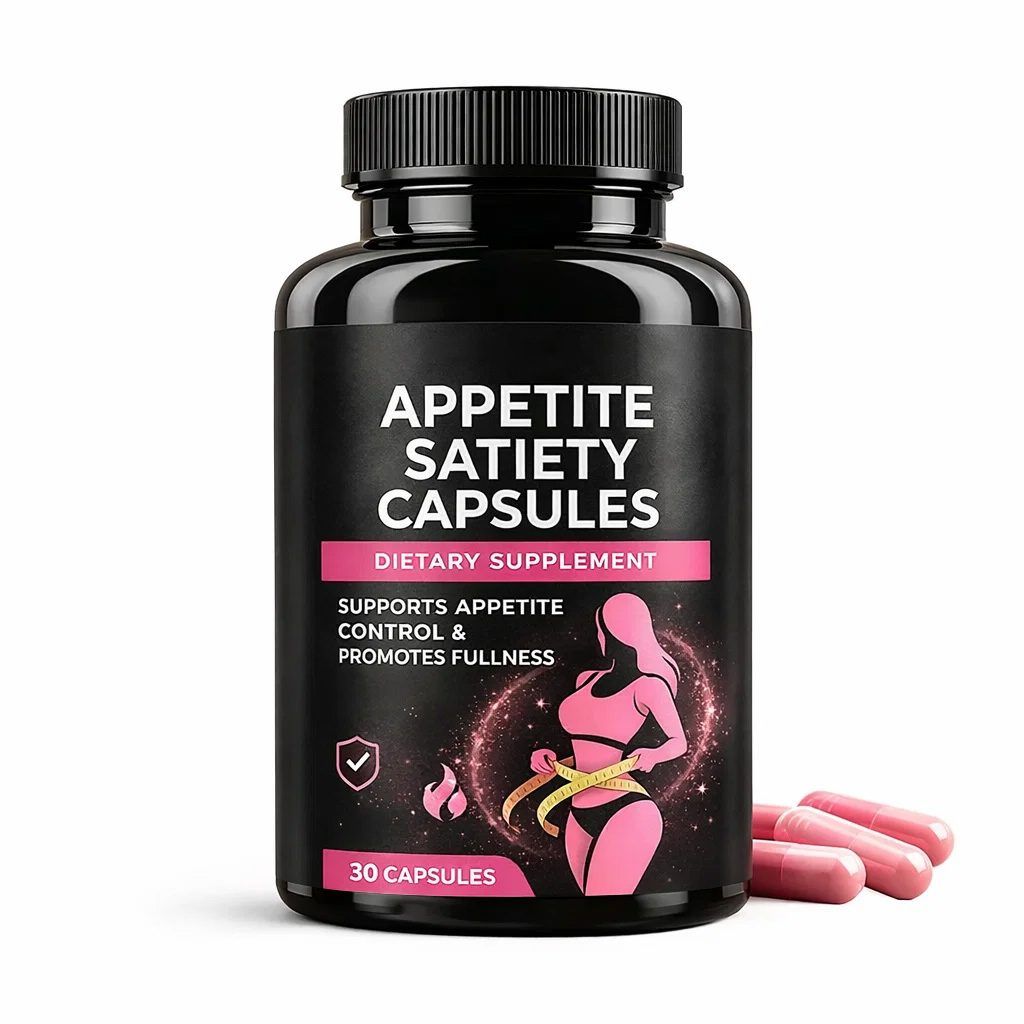
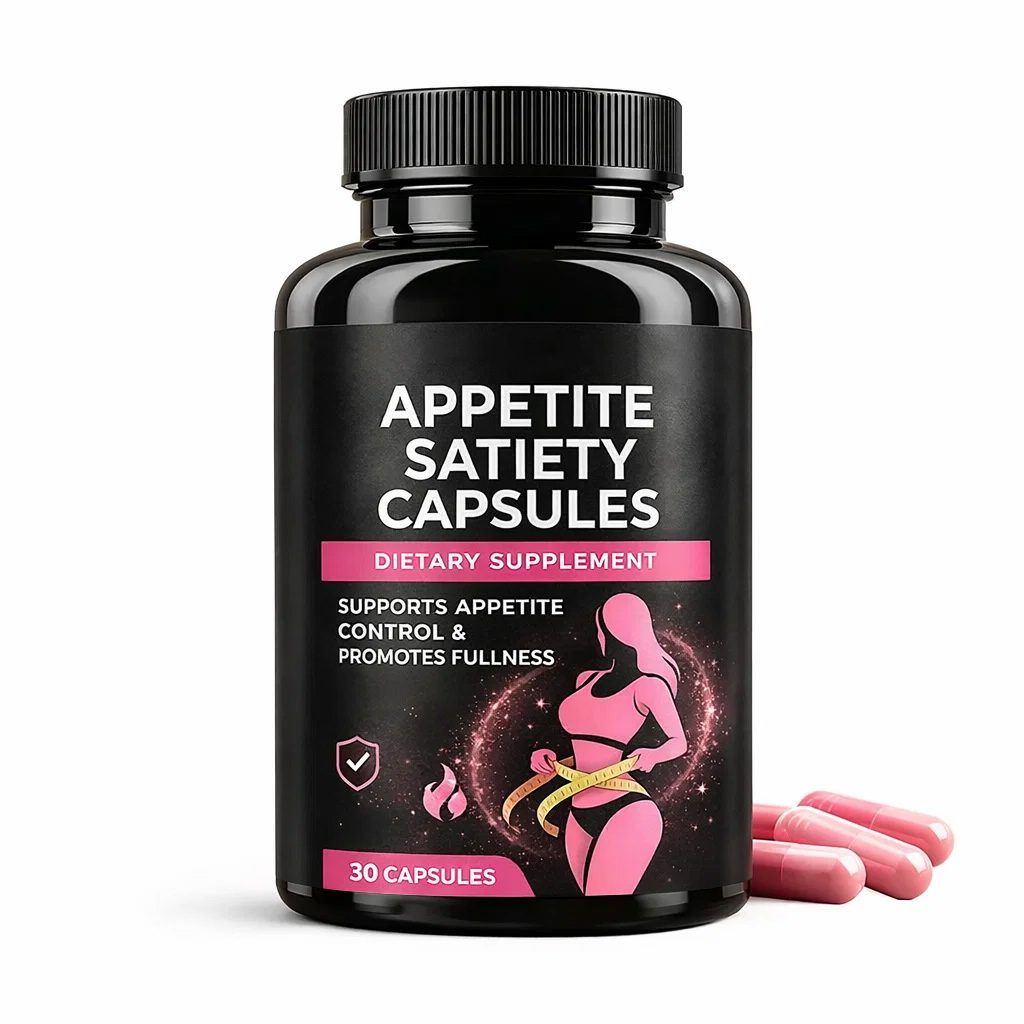
Count interacts with format too, and the interaction is where weaker quotes fall apart. A liquid satiety format carries a heavier bottle, a measured dispenser and a shorter claim than the capsule shown above, so the same count position costs more to build and more to ship under FBA tiers. Format and count have to be priced together, not in separate emails.
Packaging for FBA parcel: the format decision is a freight decision
FBA fulfilment bills by tier, and the tier comes from carton size as much as from weight: dimensional weight divides length by width by height in inches by 139. A bulky canister of light powder can therefore bill in a heavier tier than a dense bottle of capsules. The table below is the conversation we have with marketplace clients before artwork starts, because a few millimetres of carton height can move the whole fee structure.
| Format | Carton cube | Damage risk | Subscription fit | Watch-out |
|---|---|---|---|---|
| HDPE bottle in carton | Medium | Low | Strong | Label scuff without a protective bag |
| Powder canister | Large | Medium | Strong | Cube can push the dimensional tier |
| Stick pack box | Small | Low | Strong | Count per box drives the price ladder |
| Gummy bottle | Medium | Medium | Strong | Summer lane heat shortens the claim |
| Zipper pouch | Smallest | Medium | Moderate | Seal integrity and shelf presence |
Polybagging is the boring half of the decision and the half that decides whether FBA stock arrives sellable. Any polybag with an opening of five inches or more needs a suffocation warning, and a bagged bottle that rattles in a carton will scuff labels over a three-week ocean crossing. The packaging options behind these calls are laid out in the packaging guide, from print MOQs on caps and cartons to barrier choices.
Every unit leaving the line can carry the brand's FNSKU, and the account can stay on stickerless commingling disabled. Commingled inventory means the FBA network may fulfil an order from another seller's stock of supposedly the same product, which is how grey and counterfeit units reach a brand's reviews. The label costs a fraction of a cent and is the cheapest brand protection sold anywhere.
Claims on the listing are regulated exactly like claims on the label
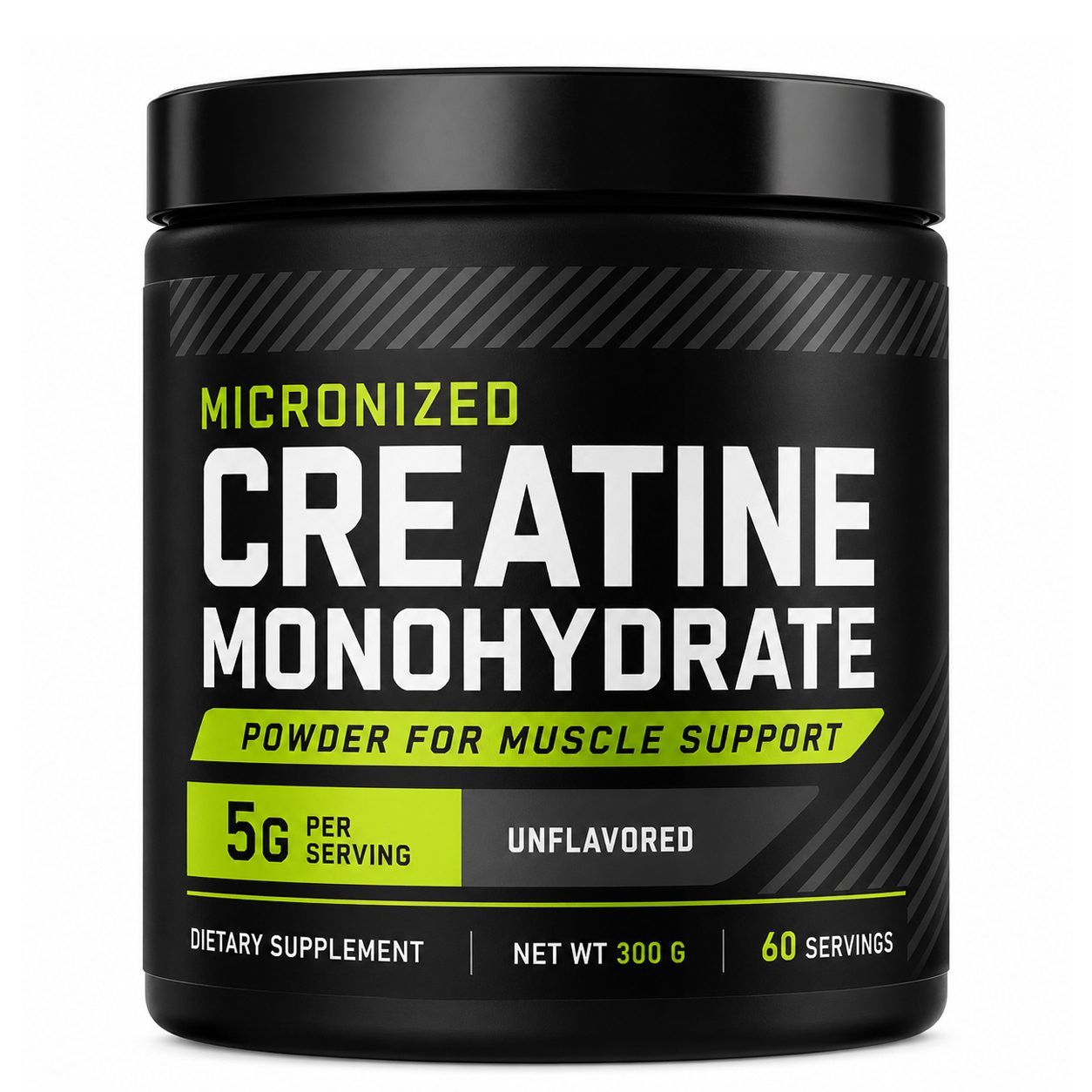
Listing bullets feel like marketing copy, and that is the trap. In the United States the same structure and function rules apply on FBA listings exactly as on the pack: support, maintain and help language is defensible, while anything that names a disease is a drug claim. Amazon additionally polices review incentives and will suspend accounts over them. A claim matrix agreed with the manufacturer at specification stage, covering the label, the FBA listing and the images, is the cheapest compliance document a brand will ever buy.
| Defensible structure and function wording | Wording that reads as a drug claim |
|---|---|
| Supports appetite control and fullness | Appetite suppressant that burns fat |
| Helps maintain blood sugar levels already in a normal range | Lowers blood sugar |
| Supports joint comfort and mobility | Treats arthritis pain |
| Promotes restful sleep | Cures insomnia |
| Supports immune health | Prevents colds and flu |
The mismatch failure is the common one: compliance approves the label, a marketing agency rewrites the bullets, and the FBA listing now promises what the panel does not. Screenshot the claim matrix into the brand book and treat the bullets as regulated copy. An experienced Amazon FBA supplement manufacturer will flag a disease claim in the artwork before the brand does, because the factory has seen the takedown letters.
Planning a first FBA order?
Send the format, the count and the destination FBA marketplace. We will return a landed-cost read, an FBA document pack list and a first-order schedule, usually within two working days.
MOQ, cash flow and the first FBA purchase order
Standard private label terms apply, and they are the numbers to plan cash around: a minimum order of 1,000 units, samples in 7 to 10 days and production in about 15 working days after artwork and deposit. The FBA twist is the cash conversion cycle: cash leaves at the purchase order, and inventory then sits in production, on the water and inside the FBA network before the first payout, which stretches a 60-day manufacturing cycle past 100 days on a slow SKU. The unit cost breakdown on this site shows where the money actually goes.
Order depth should follow sell-through velocity, not the unit-cost break at the next quantity step. A 24-month shelf life with roughly 105 days of runway required at FBA check-in sounds generous until a SKU turns once every four months: then the depth that earned a better unit price becomes expiry-dated disposal stock that pays storage the whole way down. On a first order we recommend covering no more than three to four months of forecast demand, then buying depth on the reorder once the velocity data exists.
How we work with FBA-first brands
The production side of an FBA launch looks like any other private label program: seven dosage forms under one roof, a default 24-month stability claim on dry formats, and certification spanning ISO 22000, HACCP, FDA-registered cGMP, HALAL and BRC. What changes is the paperwork and the pack. Document packs get assembled for the FBA listing, labels get proofed for legibility at thumbnail size, and cartons get specced against FBA fulfilment tiers rather than against pallet math alone.
The brands that launch clean on Amazon FBA are rarely the ones with the cleverest formula. They are the ones whose Amazon FBA supplement manufacturer treated the listing documents, the count ladder and the carton cube as part of the product. That is the standard this guide is written to, and it is what we quote against.
A pre-launch checklist for the first FBA order
- Confirm the count ladder against the 19.99 to 29.99 price anchors before artwork starts, not after the first quote.
- Get the laboratory scope of the listing COA in writing, with the production lot number on the certificate.
- Spec the shipping carton against the FBA fulfilment tier table, including the dimensional weight divisor of 139.
- Decide the polybag and suffocation warning question before the pack runs, since re-bagging by hand is miserable.
- Lock the claim matrix across label, listing and images at specification sign-off.
- Print the FNSKU plan into the artwork so unit labels are not an afterthought at the warehouse.
- Check the expiry runway rule on consumables and work backwards from the production month.
- Cap first FBA order depth at three to four months of forecast demand regardless of the quantity break.
- Book samples early: 7 to 10 days for production samples means the listing photography can run in parallel.
- Agree who holds the retain samples and the stability pulls before the goods ship.
Ten questions to put to an Amazon FBA supplement manufacturer before the first purchase order
- Which laboratory performs the FBA listing COA, and is its scope ISO/IEC 17025 accredited?
- What is the standard MOQ, and does it change by dosage form?
- How long do samples take, and do sample lots match the production specification?
- What is the default shelf life claim, and what stability data stands behind it?
- Can the line print lot codes and expiry dates on every unit?
- Which certifications does the facility hold, and when was the last external audit?
- How are shipping cartons dimensioned, and can they be trimmed to stay under a fulfilment tier?
- What FBA documentation pack is supplied with finished goods?
- How are retain samples and stability pulls managed after shipment?
- What is the production lead time from deposit and approved artwork?
What to lock before the first FBA order
- FBA category approval rests on a document pack the manufacturer has to produce, so the scope of that pack belongs in the purchase order.
- The count ladder is a price-ladder decision first: the fee stack takes a nearly fixed bite whether the pack sells at 19.99 or 24.99.
- Fixed pack costs mean a 60-count lands 15 to 25 percent above a 30-count, so per-serving cost falls by about a third.
- Carton cube decides the fulfilment tier as much as weight does, so dimension the carton against the tier table, not habit.
- Keep commingling off and label every unit with the FNSKU; the sticker is the cheapest buy-box protection there is.
- Write the claim matrix across label, listing and images once, at spec sign-off, and treat bullets as regulated copy.
- Cap first-order depth at three to four months of demand, because expiry-dated disposal stock is the most expensive inventory discount there is.
References
- US FDA - 21 CFR 101.93 Health claims and the dietary supplement disclaimer
- US FDA - 21 CFR Part 111 Current Good Manufacturing Practice for Dietary Supplements
- US FTC - Dietary Supplements: A Business Guide
- ISO/IEC 17025 - General requirements for the competence of testing laboratories
- Amazon Seller Central - Consumables and shelf life requirements (current policy in Seller Central)
Key takeaways
- FBA category approval rests on a document pack the manufacturer has to produce, so the scope of that pack belongs in the purchase order, not in an email afterwards.
- The count ladder is a price-ladder decision first: the fee stack takes a nearly fixed bite whether the pack sells at 19.99 or at 24.99.
- Fixed pack costs mean a 60-count lands 15 to 25 percent above a 30-count, so the per-serving cost falls by about a third.
- Carton cube decides the fulfilment tier as much as weight does, so dimension the shipping carton against the FBA tier table, not against habit.
- Keep commingling off and label every unit with the FNSKU; the sticker is the cheapest buy-box protection a brand can buy.
- Write the claim matrix across label, listing and images once at spec sign-off, and treat listing bullets as regulated copy.
- Cap first-order depth at three to four months of demand, because expiry-dated disposal stock is the most expensive inventory discount there is.
Frequently asked questions
Can you supply the COA and documents my Amazon category approval needs?
Yes. Finished goods ship with a certificate of analysis arranged through an accredited testing laboratory, alongside the specification sheet, GMP documentation, allergen and claim statements, and the stability summary behind the printed date. The exact document set should be agreed in the purchase order so the lot numbers, testing scope and turnaround are fixed before production, not negotiated during a listing review.
What is the lowest MOQ for a first Amazon test order?
The standard private label minimum is 1,000 units per SKU, which is sized for a marketplace test: roughly three to four months of sell-through for a new listing at moderate velocity. Samples take 7 to 10 days and production about 15 working days after artwork approval and deposit. Buying deeper than four months of demand on an unproven SKU usually converts a good unit price into aged inventory risk.
Can you print lot codes and expiry dates on every bottle?
Yes. Lot code and expiry date are printed or jetted on every unit at the line as standard, which matters on the marketplace because consumable inventory is expected to arrive with a workable runway, commonly around 105 days of remaining shelf life at check-in. With a 24-month claim on dry formats, the calendar works comfortably as long as production is scheduled against real sell-through.
How do finished goods ship to Amazon fulfillment centers?
Most brands route the shipment through their own freight forwarder, who books the Amazon delivery appointment and applies the carton-level labels. We produce to the packing specification the forwarder and the marketplace require, including carton dimensioning against the fulfilment tiers, and the goods are released with the full document pack. The shipping and importing guide on this site covers the freight side in detail.
Which certifications does the facility hold?
The factory operates under ISO 22000, HACCP, FDA-registered cGMP, HALAL and BRC certification. For a marketplace launch the two that matter most are the cGMP registration, which supports the good manufacturing practice documentation the category review asks about, and the testing program behind the certificate of analysis. Certificates are supplied with the finished goods documentation.
How long does a first order take from purchase order to check-in?
Plan on samples in 7 to 10 days, production about 15 working days after deposit and approved artwork, then ocean freight and check-in on top, which typically lands the whole cycle between 60 and 90 days depending on the destination. The document pack for the listing can be assembled in parallel with production, which is why the laboratory scope should be agreed at the purchase order stage rather than after the goods land.
Have a project in mind? We'll come back with MOQ, formula options and lead time within 24 hours.
Request a Quote