What a cost per capsule quote is actually made of
Ask three factories to price the same capsule formula and you will often receive three numbers spread thirty percent apart, each one correct within its own assumptions. The difference is rarely a markup; it is what each quote quietly assumes about overage, testing, packaging and freight. Cost per capsule is therefore not a number you negotiate down, it is a stack of six cost blocks you compare block by block. This guide takes a capsule project apart line by line, shows where the money goes at 500, 5,000 and 50,000 units, separates the customizations that genuinely add cost from the ones that barely move it, and finishes with the eight questions that make any two capsule quotes comparable.
| Cost block | Typical share | What moves it most |
|---|---|---|
| Actives and potency overage | 35-50% | Salt or extract chosen, dose per capsule, branded versus commodity grade |
| Empty two-piece shells | 3-8% | Shell material, size, colour, printed versus plain |
| Encapsulation and pack-out | 10-18% | Line hours, fill weight, count per bottle, bottle size |
| Bottle, closure and label | 15-25% | Stock versus custom components, print colours, carton |
| Testing and batch release | 4-8% | Panel scope, third-party labs, stability pulls |
| Freight, duty and documents | 6-12% | Incoterm, cargo cube, destination market |
The smallest line on the table causes the largest surprise. A size 0 two-piece shell costs between roughly a tenth and half a cent for stock gelatin sizes, with HPMC a step above, so the empty shells inside a 90-count bottle contribute cents, not dollars. What rewrites that arithmetic is customization: shell suppliers run standard sizes and standard colours in enormous shared batches, but a custom colour is produced as a dedicated batch of several hundred thousand shells. Order a custom colour against a 5,000-bottle launch and you have effectively bought shells for dozens of future production runs, which is why shell colour is a supply decision before it is a design one.
The ladder above is illustrative, but its shape is not, because fixed costs decide the steep end. Changeover, first-article checks, label plate setup and pilot handling cost roughly the same whether the line fills 500 bottles or 50,000, so those costs divide by a much smaller number at the pilot end. Between 500 and 5,000 units the fixed burden per unit typically collapses by half or more; between 5,000 and 50,000 the curve flattens because what remains is mostly raw material and packaging, and those discount more slowly. This is also why the fastest route to a lower unit cost is usually a bigger first order, not a harder negotiation.
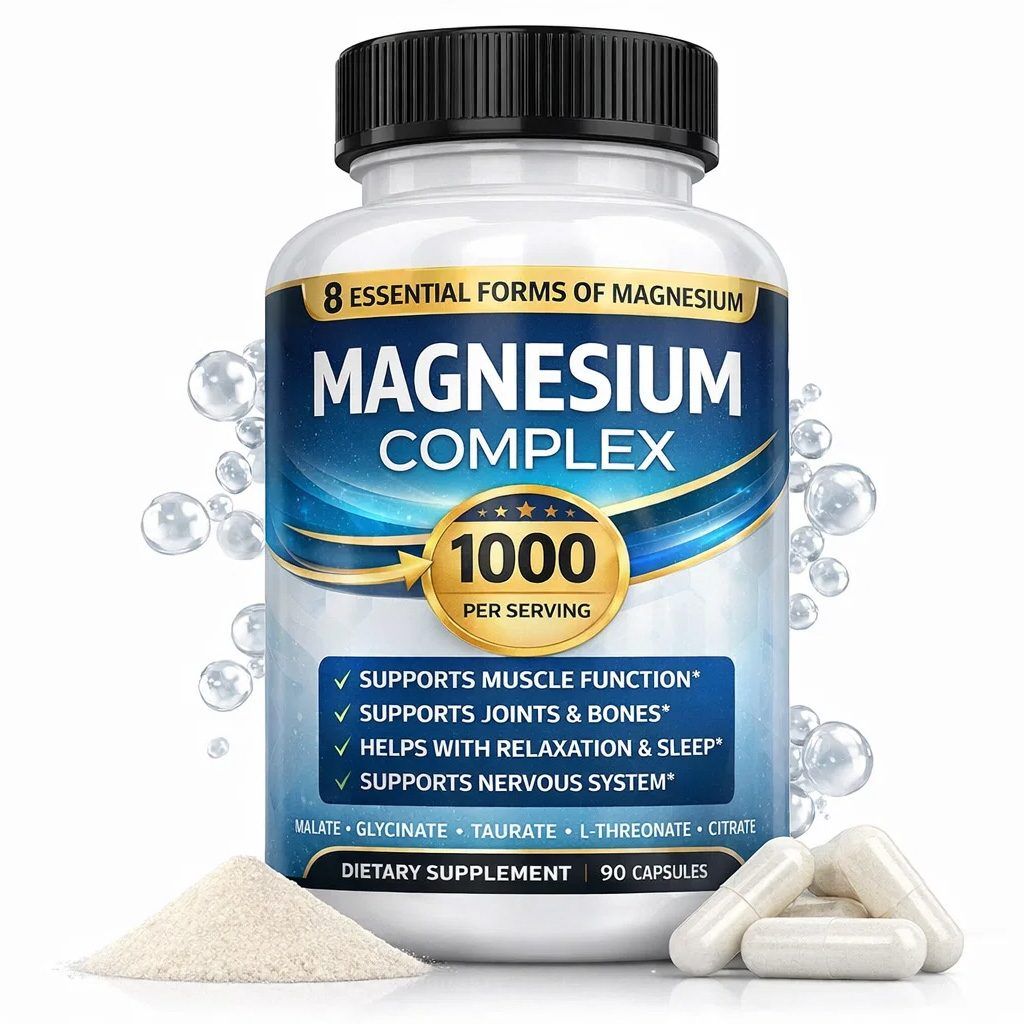
Why the same capsule formula gets two very different quotes
When two capsule quotes for one formula sit far apart, the gap almost always lives in the assumptions rather than the margin. The five that matter most are the potency overage built into the price, the scope of the release testing, the packaging specification behind the packaging line, the count per bottle the quote is sized around, and the incoterm and payment terms that decide which invoices arrive after the deposit. Cost per capsule only becomes comparable once those five lines are written down, which is why a serious quote states them and a careless one sends a single number.
| Quote assumption | Typical spread | The question that closes it |
|---|---|---|
| Overage for potency loss | 0-20% of the active | What overage is built into the price, and against which shelf-life claim? |
| Release testing scope | 4-8% of unit cost | Which release panels are included, and which third-party tests bill separately? |
| Packaging specification | 10% to double the packaging line | Is the bottle stock or custom, and who owns the print tooling? |
| Count per bottle | 5-15% of landed cost | What count and bottle size is the quote sized around, and how does the freight cube move? |
| Incoterm and payment terms | 8-20% of landed cost | FOB, FCA or DDP, and does the raw material price hold or float? |
Overage is the clearest example of a cheap-looking quote that is not cheap. Vitamin C, probiotics and several botanical extracts lose potency over shelf life, so a responsible formula carries a 10 to 20 percent manufacturing overage so the label claim still holds at the end of expiry. A quote with no overage can land eight to ten percent below a compliant one and still be the more expensive purchase, because the product walks into its own label claim problem before the reorder point. Ask what overage the price includes and which claim it protects; it is one line in an email and the difference between two honest products.
Which capsule customizations add cost and which barely move it
Most customization questions arrive as one word, colour or printing, and the honest answer is that the sticker depends on where the customization sits. Anything that touches the shell reaches a different supplier with its own batch minimums; anything that adds a line to the label reaches the raw material warehouse, the dispensing scale and the QC bench. The table below separates the adders buyers feel from the ones they do not.
| Customization | Cost impact | What drives the adder |
|---|---|---|
| Custom shell colour | High | Shell suppliers produce custom colours as dedicated batches of several hundred thousand shells |
| Axial logo printing on the shell | Medium | Print plate setup plus a per-thousand printing fee at the shell supplier |
| Ten-ingredient blend | High | Each micro-ingredient adds a dispensing step, a blending hold and a homogeneity check |
| Branded trademarked actives | Medium to high | Often two to three times the commodity price of the same chemistry |
| Extra third-party test panels | Medium, per batch | Each panel is billed per batch, not per project |
| Stock bottle with custom label | Low | Shared component pool; the label is the only custom piece |
| Desiccant, cotton or tray | Low | Pennies per bottle, protects months of shelf life in humid destinations |
| Folding carton | Medium | Board, print and one more pack-out step on the line |
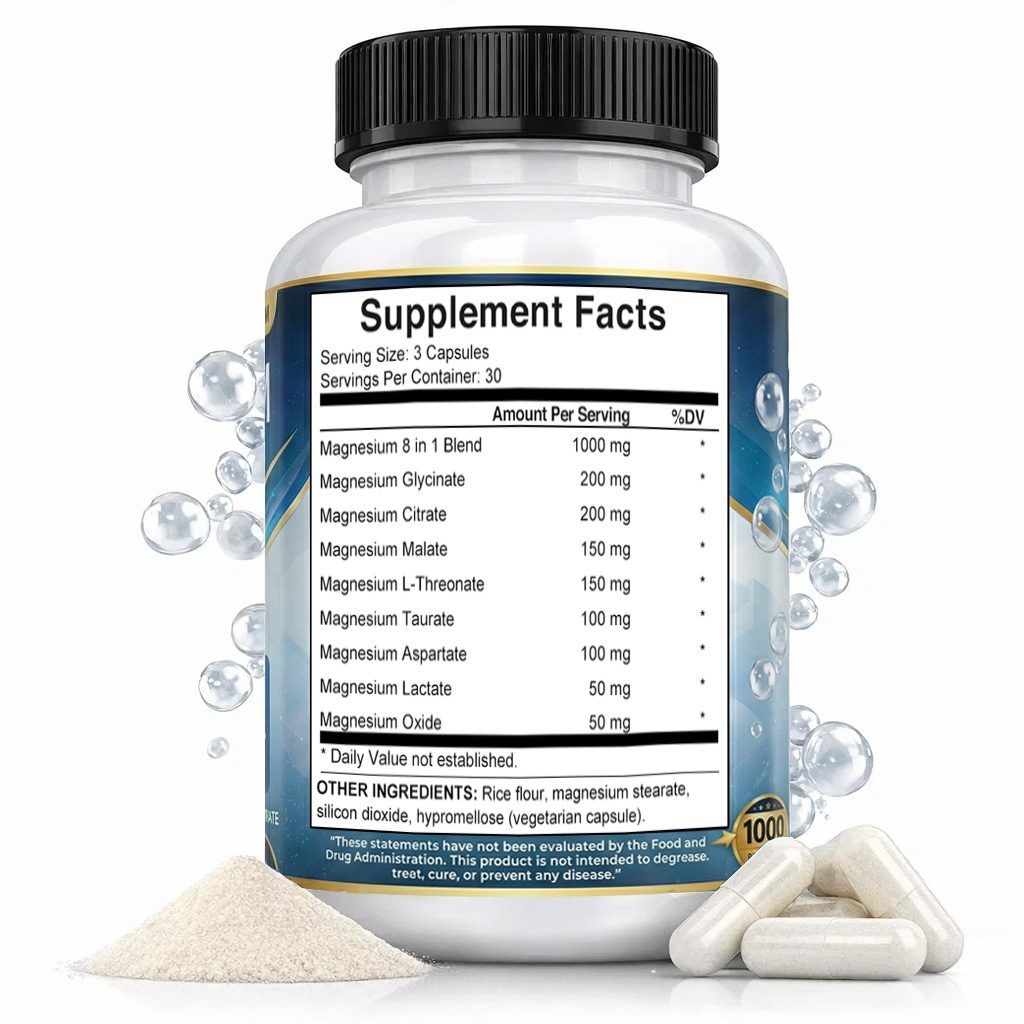
Each additional active on the label adds a raw material lot to qualify, a weighing step in dispensing and a homogeneity check on the blend. A ten-ingredient capsule does not cost ten times a single-ingredient one, but its blending, testing and documentation time per batch is visibly higher, and that time is in the quote. If the brief can carry the same consumer promise with fewer actives at honest doses, every cost block drops at once.
Reading a capsule quote: eight questions to ask before comparing prices
- Which shell material, size and colour is the quote built on, and is that shell a stock item or a dedicated batch?
- What potency overage is included, and against which shelf-life claim is it designed to hold?
- Which release panels sit inside the price, and which third-party tests bill separately per batch?
- Is the bottle a stock component or custom, who owns the print tooling, and where is the label minimum?
- What count per bottle and bottle size is assumed, and how many cartons per pallet does that produce?
- Which incoterm is quoted, and does the raw material price hold or float across the validity window?
- What weight variation and visual acceptance standards does the batch release against?
- How long is the quote valid, and what happens to the price when the active market moves?
Because hard capsules need no mold, no tooling and no pressing trial, they remain the fastest format from purchase order to release, and their quotes are the easiest to compare like for like; the fast-track capsule guide walks that calendar. How order volume interacts with the production schedule is covered in the MOQ and lead times guide, and the capsules range lists real published examples, from multi-collagen capsules to magnesium L-threonate blends, you can use as pricing anchors.
Our own quoting baseline matches what this guide asks you to demand anywhere else: pilot batches from 500 units and standard runs from 1,000 units, pre-production samples in 7 to 10 days, bulk production in about 15 working days after material release, and a 24-month shelf life supported by stability testing. DDP delivery through our United States warehouse is available for qualifying orders, which pulls freight and duty inside the quoted cost per capsule instead of leaving them for later invoices. If you want your formula priced block by block, send it with your target count and volume and the quote will come back with its assumptions attached.
Want cost per capsule priced line by line?
Send the formula or the idea, the target shell size and count per bottle, and your first order volume. We will return a bucketed capsule quote with the overage, testing scope, packaging specification and incoterm stated, usually within 24 hours.
What to remember about capsule pricing
- A capsule price is six blocks: actives and overage, shells, conversion, packaging, testing, and freight and duty.
- Empty shells are the cheapest block, yet a custom shell colour is the customization most likely to trap a small order.
- Overage is where a cheap quote hides its cost; ask what the price assumes before comparing numbers.
- Fixed costs collapse between 500 and 5,000 units, so the first order size moves cost per capsule more than negotiation does.
- Count per bottle moves filling, packaging and freight cube at the same time; fix it before comparing quotes.
- A quote without stated assumptions is not a price, it is a placeholder.
References
Key takeaways
- A capsule price is six blocks: actives and overage, shells, conversion, packaging, testing, and freight and duty.
- Empty shells are the cheapest block, yet a custom shell colour is the customization most likely to trap a small order.
- Overage is where a cheap quote hides its cost; ask what the price assumes before comparing numbers.
- Fixed costs collapse between 500 and 5,000 units, so the first order size moves cost per capsule more than negotiation does.
- Count per bottle moves filling, packaging and freight cube at the same time; fix it before comparing quotes.
- A quote without stated assumptions is not a price, it is a placeholder.
Frequently asked questions
What is a realistic cost per capsule for a single-ingredient formula?
There is no honest single number, because the same capsule can be built with an oxide salt at a fraction of the cost of a branded chelate. As a structure, expect the actives and their overage to take thirty-five to fifty percent of the finished unit cost, packaging fifteen to twenty-five percent, and the empty shells only three to eight percent. Send the formula, the shell size and the count per bottle, and a bucketed quote can state each block instead of one blended figure.
Why is one capsule quote cheaper than another for the same formula?
Usually an assumption, not a discount. The common gaps are missing overage, a narrower test panel, a stock bottle swapped for the custom one you sketched, a different count per bottle, or an incoterm that leaves freight outside the number. Two quotes only compare when volume, packaging specification, testing scope and trade term are identical; otherwise you are pricing two different products.
How much does a custom shell colour or logo printing add?
The printing itself is modest: a plate setup fee plus a per-thousand printing charge at the shell supplier. The real commitment is the batch, because custom colours are produced in dedicated runs of several hundred thousand shells, so a small first order effectively pre-pays several production runs of that colour. A standard colour with axial logo printing delivers most of the shelf recognition at a fraction of the commitment.
Does the capsule count per bottle change the unit price?
It moves several blocks at once. Each extra capsule adds shell, fill and line time, but the bottle may grow a size, the carton grows with it, and freight is priced by cube, so landed cost rises faster than filling cost. Fixing the count per bottle before requesting prices is one of the fastest ways to make two quotes comparable.
What order volume makes capsule pricing efficient?
Most of the fixed cost collapses between 500 and 5,000 units, which is where the illustrative ladder in this guide drops by roughly forty percent. Beyond that, savings come more slowly from raw material and packaging discounts. Our standard runs start at 1,000 units with pilot batches from 500 units, and crossing the label print minimum is usually the fastest single saving on a first order.
Can you price cost per capsule before the formula is finalized?
Yes, in ranges. With the target claim, shell size and bottle count, the shell, conversion, packaging and testing blocks can be priced and the active cost bracketed by salt and grade. Once the formula brief freezes the exact materials, the bracketed range closes into a line-by-line quotation with the overage, testing scope and validity window stated.
Have a project in mind? We'll come back with MOQ, formula options and lead time within 24 hours.
Request a Quote