Why powder is four decisions, not one format
A powder project looks simple from the outside: weigh the active, add some flavor, fill a pouch. On the factory floor it is a chain of linked decisions. The particle size of the raw material controls how quickly it dissolves and how it flows through the filler. The solubility profile decides whether the consumer needs a shaker bottle or a spoon. The flavor and sweetener system masks bitterness, adds bulk and often becomes the largest single cost block. The moisture barrier and flow agents determine whether the product is free-flowing after six months or a solid brick. And the packaging format sets your MOQ, your landed cost and the channel you can sell through.
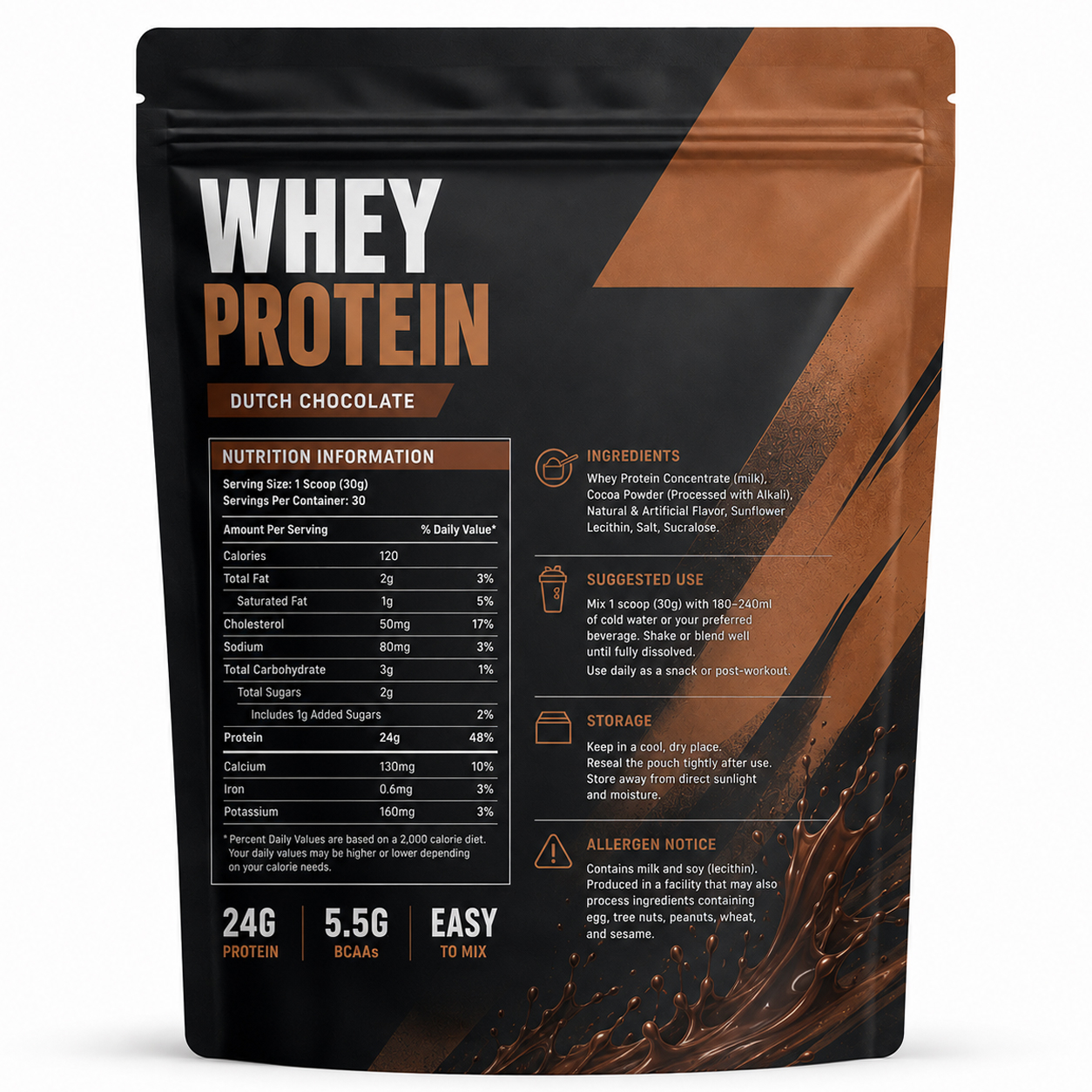
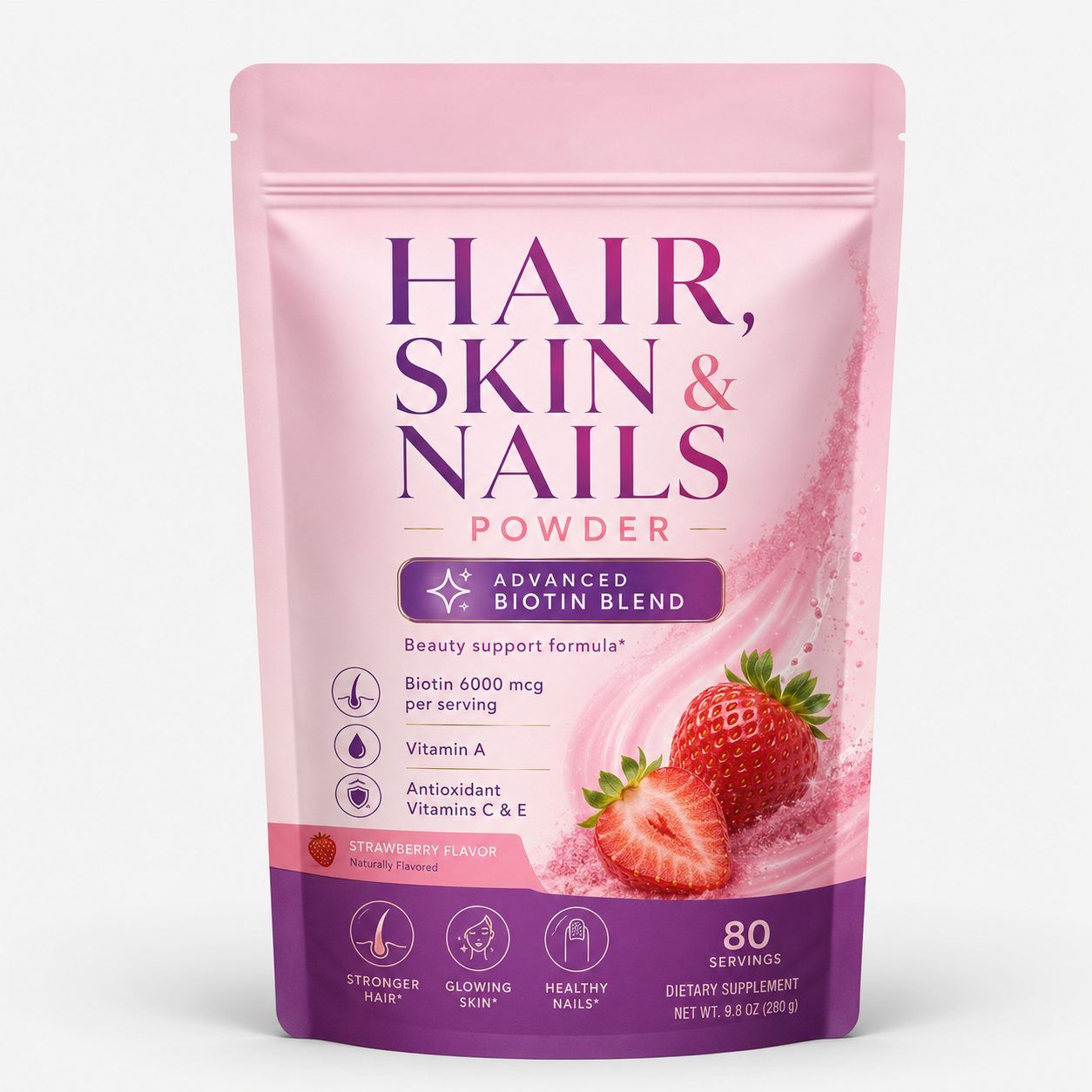
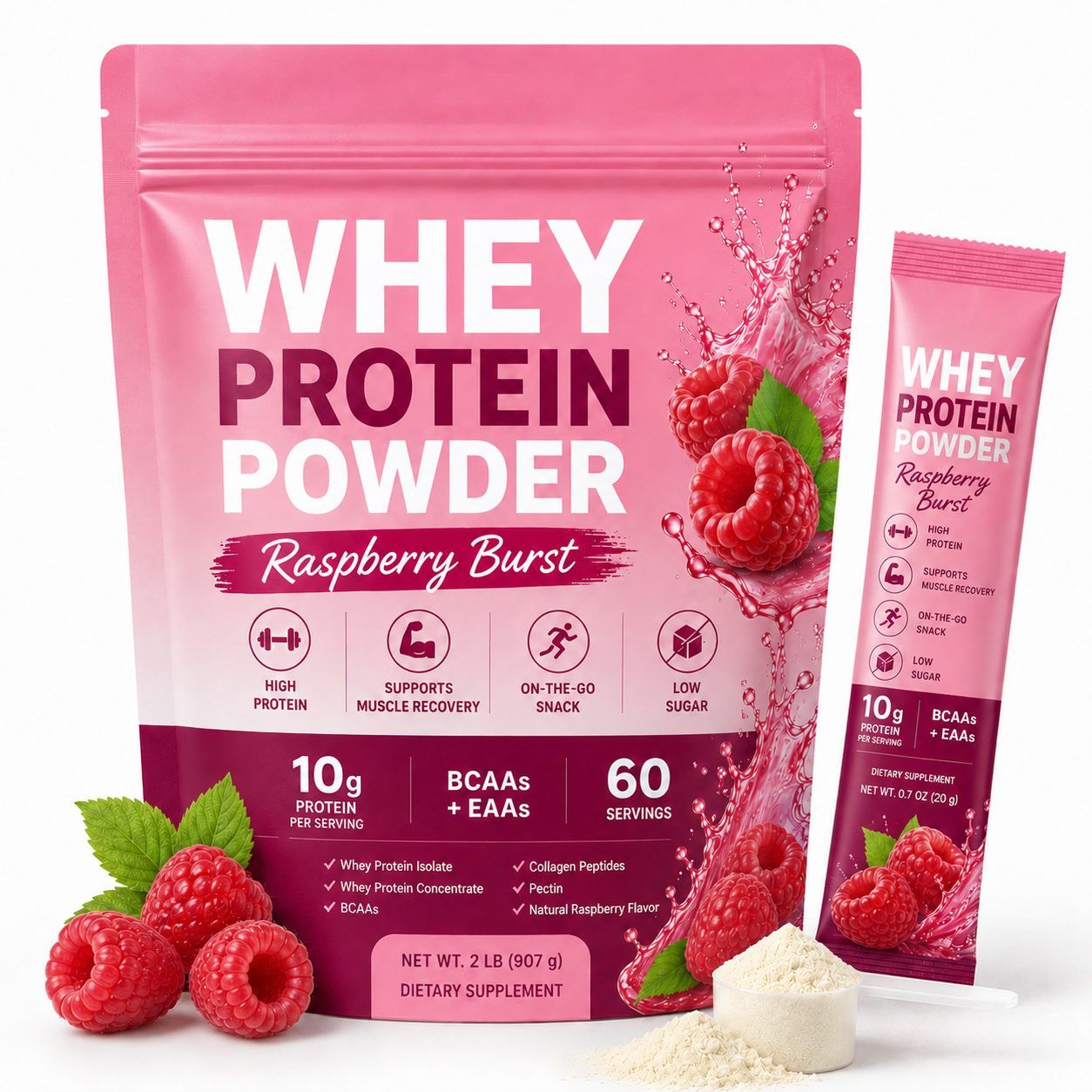
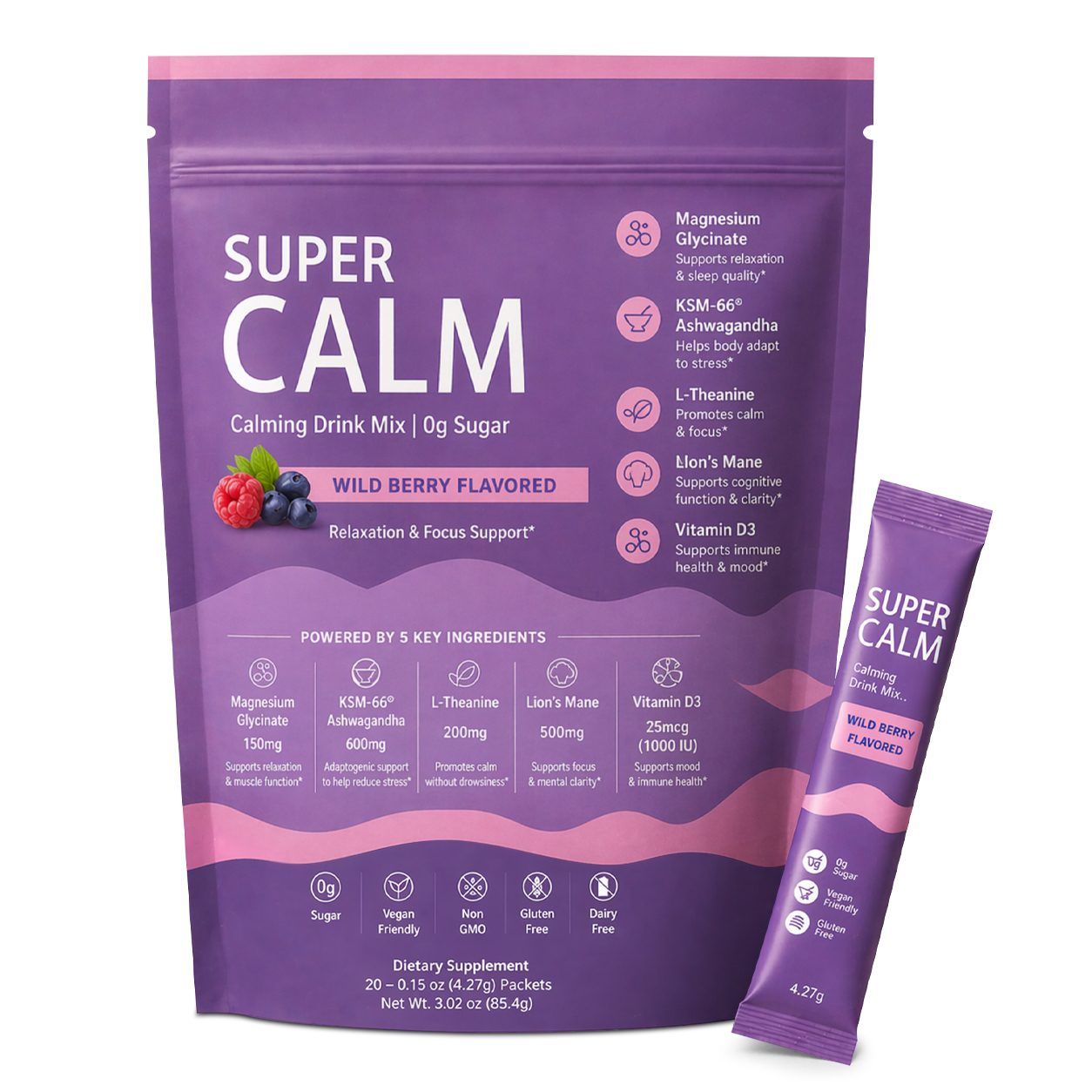
We produce private label powder supplements across protein, collagen, creatine, electrolytes, greens and magnesium complexes, and the briefs that run smoothly share one trait: the brand owner has thought about the format before the formula. This article walks through the four decisions in the order a line engineer thinks about them, with the numbers that belong in a specification sheet.
If you are still comparing dosage forms, start with our supplement dosage form selection guide. It puts powders in context against capsules, tablets, gummies, softgels and liquids on cost, MOQ and shelf life.
Particle size and mesh: the spec that sits under every other spec
Mesh size is the first number a powder engineer asks for, and it is the one most brand owners leave blank. The mesh count tells you how large the particles are after milling, and that single figure drives dissolution speed, mouthfeel, flowability, fill accuracy and the amount of flavor you need to mask grit. A 60 mesh powder has particles up to about 250 microns: it feels sandy, settles fast and needs a strong flavor system to be drinkable. A 325 mesh powder, around 44 microns, disperses almost instantly and carries a premium mouthfeel, but it flows poorly and can dust badly on a high-speed line.
The practical choice for most drink mixes is 200 mesh, around 74 microns. It is smooth enough to drink, coarse enough to flow through a stick-pack filler without bridging, and cheap enough to mill at scale. Move to 325 mesh only when the positioning demands a clear, residue-free finish, because the extra milling adds roughly 10 to 15 percent to the processing cost and the finer dust requires better containment and a slower fill.
| Mesh | Approx. D90 | Mouthfeel | Dispersion behavior | Typical use case |
|---|---|---|---|---|
| 60 mesh | ~250 microns | Gritty, sandy | Settles quickly | Bulk blends, pre-workouts |
| 80 mesh | ~180 microns | Slightly gritty | Slow dispersion | Protein concentrates, some greens |
| 200 mesh | ~74 microns | Smooth | Standard dispersion | Collagen, creatine drink mixes |
| 325 mesh | ~44 microns | Very smooth | Rapid, near-clear | Premium clear protein, beauty drinks |
Mesh size is a mouthfeel decision before it is a solubility decision
Many brand owners ask for a finer powder because they believe smaller particles dissolve better. That is only partly true. True solubility is a chemical property of the ingredient: collagen peptides are soluble because the molecule is hydrolyzed, not because the powder is fine. Creatine monohydrate has low solubility no matter how fine you mill it. What mesh size actually changes is the rate at which the particles wet out and the perceived grit in the mouth. If the active is truly soluble, 200 mesh is fast enough. If it is poorly soluble, 325 mesh only makes the chalk feel finer; it does not make it disappear.
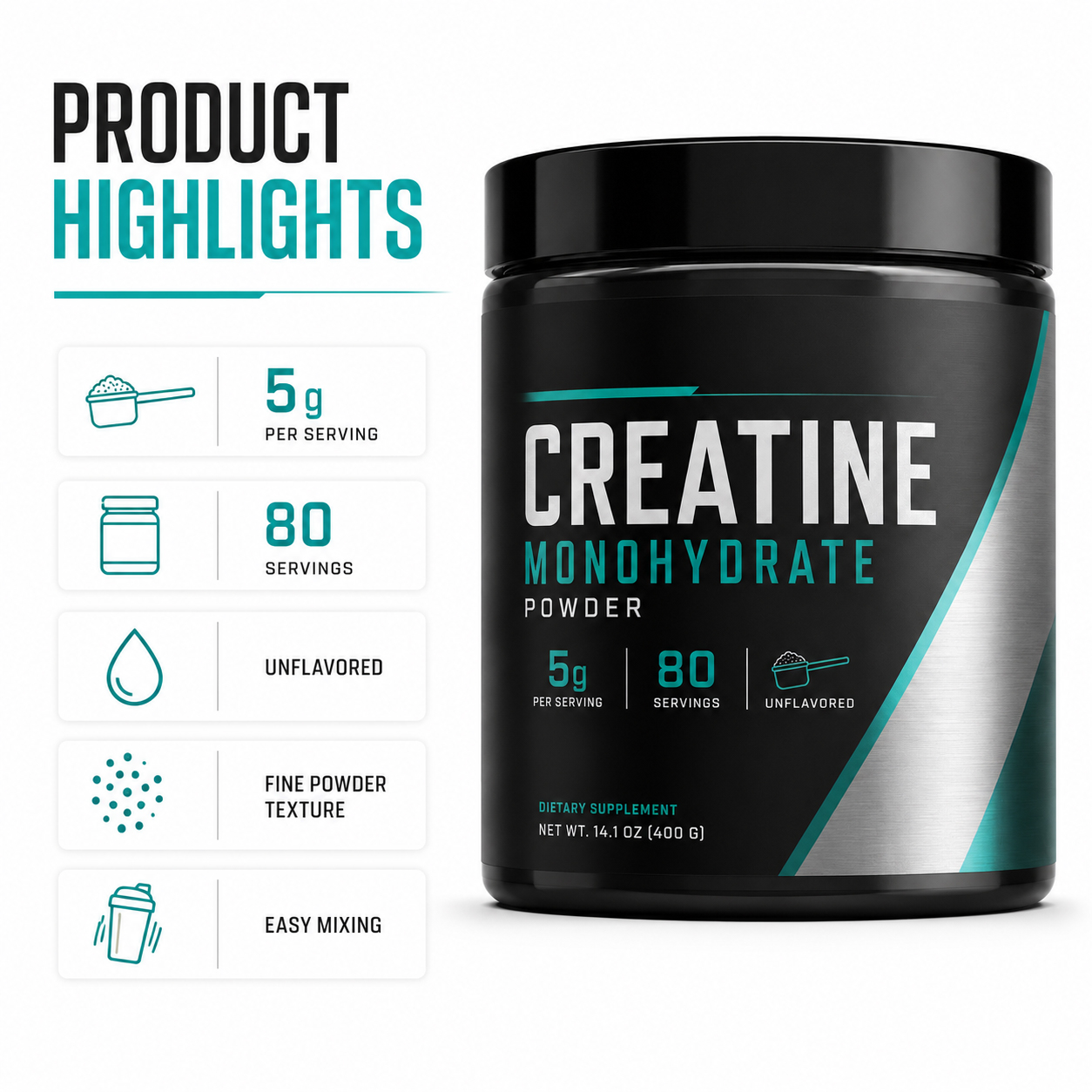
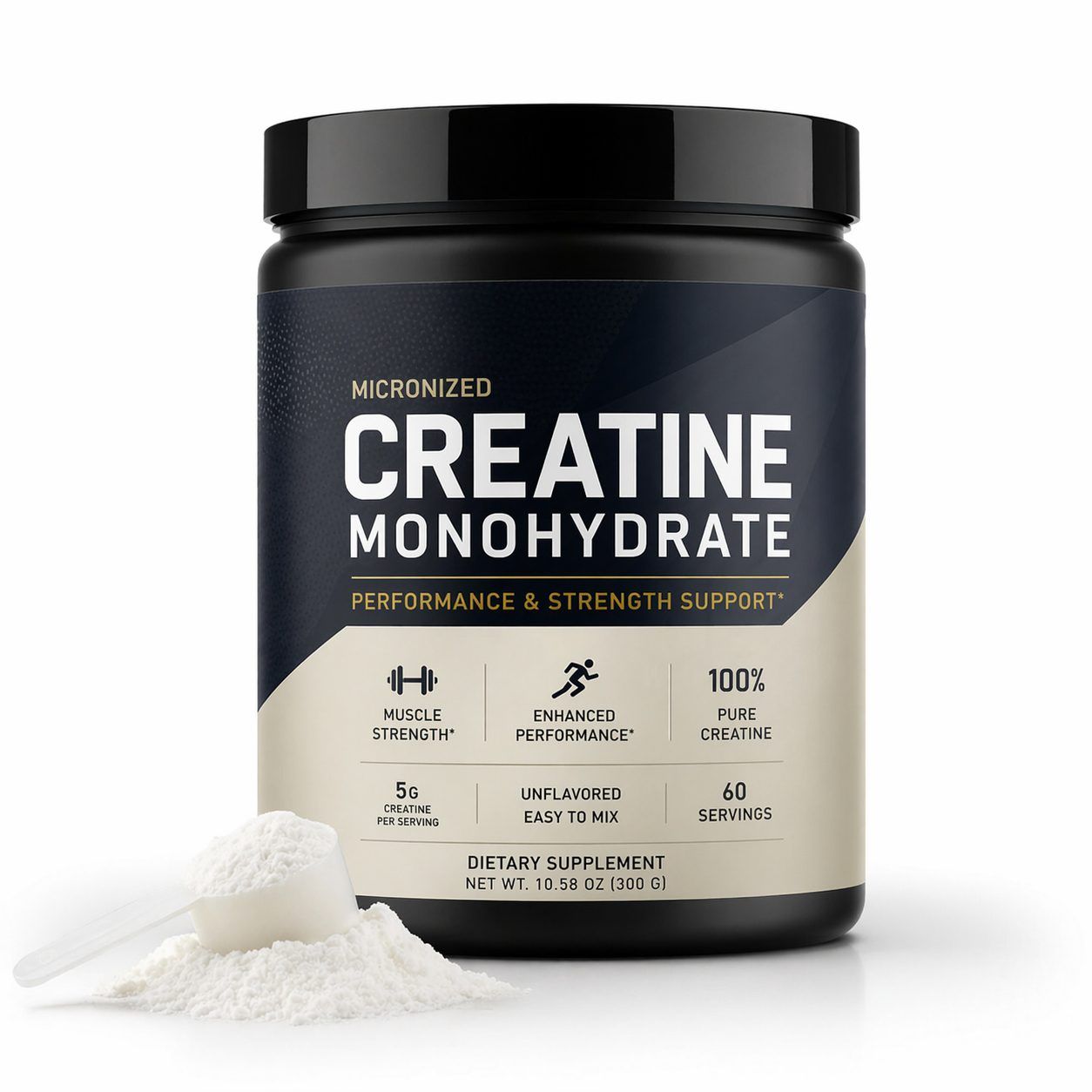
That distinction is why our creatine monohydrate powder is positioned as a suspension product, while our collagen powder is marketed for clear mixing. The particle size is similar; the solubility of the active is not.
Solubility, dispersibility and instantizing
Powder projects fail when the brief says mixes easily but the formulation is only dispersible. This is the most common misunderstanding we see when brand owners brief private label powder supplements for the first time. Truly soluble ingredients disappear into a clear or translucent liquid. Dispersible ingredients hang in a stable suspension but leave a cloudy finish. Insoluble ingredients settle out unless a suspending agent or a constant shake is built into the serving ritual. The difference is not a quality failure; it is a mismatch between formulation physics and consumer expectation.
Instantizing is the process of agglomerating fine particles into slightly larger, porous granules so water penetrates faster and the powder wets without floating. It is common in sports protein, maltodextrin carriers and some mineral premixes. The benefit is real: an instantized powder sinks and dissolves in 10 to 20 seconds where a standard powder may float for a minute. The cost is also real: instantizing adds a processing step and usually requires a binder or lecithin, which must be declared and may conflict with a clean-label positioning.
| Profile | Behavior in water | Typical actives | Consumer experience | Formulation note |
|---|---|---|---|---|
| Truly soluble | Clears or is nearly clear | Collagen peptides, some electrolytes | No residue, spoon-stir acceptable | Best for ready-to-drink sticks |
| Dispersible | Cloudy, stable with agitation | Creatine, magnesium citrate | Slight chalk, acceptable with flavor | Needs suspending agent for RTD |
| Poorly soluble | Settles unless shaken | Some amino acids, fiber | Gritty unless fine or flavored | Label should tell consumer to shake |
| Hygroscopic | Clumps from air moisture | Glycine, some sugars | Can brick in the pouch | Packaging barrier is the fix, not milling |
A brand owner once asked us to mill a poorly soluble mineral finer because consumers complained about grit. At 325 mesh the chalk was finer but the suspension still settled, and the finer dust increased clumping in transit. The real fix was a food-grade suspending agent at 0.3 to 0.5 percent and a label instruction to shake. The cost was a fraction of the milling upgrade.
Flavor systems and the real unit-cost driver
Flavor is usually the largest controllable cost in a finished powder supplement, and the choice of sweetener changes the manufacturing risk as much as the taste. A natural flavor system with stevia or monk fruit carries a clean-label appeal but costs two to four times as much as an artificial flavor with sucralose. Erythritol is popular for sugar-free positioning, but it is bulky: a serving may need 2 to 4 grams, which drives stick-pack size, shipping weight and the risk of caking. Sucralose is potent at milligram levels and keeps the serving small, but some markets reject it outright.
The bitterness of the active also drives the flavor load. A neutral base like collagen needs only a light flavor. A metallic mineral like magnesium citrate or a sour amino acid like citrulline needs a heavier flavor and often an acid or a masking agent. We have seen projects where the flavor system cost more than the active ingredient on a per-serving basis, which is normal for magnesium and some greens but alarming if the brand owner priced the project as though it were mostly raw material.
| System | Relative flavor cost | Clean-label appeal | Caking / moisture risk | Typical positioning |
|---|---|---|---|---|
| Natural flavor + stevia / monk fruit | High | Strong | Low | Premium wellness, DTC |
| Natural flavor + erythritol | Medium-high | Strong | Higher | Mid-tier sugar-free |
| Natural flavor + allulose | Medium | Strong | Moderate | Keto / low-glycemic |
| Artificial flavor + sucralose | Low | Conventional | Low | Value sports nutrition |
| Unflavored / raw | None | Minimal-ingredient appeal | Lowest | B2B, bulk, stacks |
Natural flavors cost more than the active, and that is not a red flag
A realistic flavored collagen stick pack may spend 25 to 35 percent of its unit cost on flavor, sweetener, color and mouthfeel agents, while the collagen itself is 20 to 30 percent. A flavored magnesium drink mix can tip even further: the magnesium raw material is cheap, but masking it cleanly requires a higher flavor load. The lesson is to price the finished unit, not the bulk ingredient. Brands that negotiate the collagen or creatine price aggressively but ignore the flavor system often end up with a product that costs the same and tastes worse.
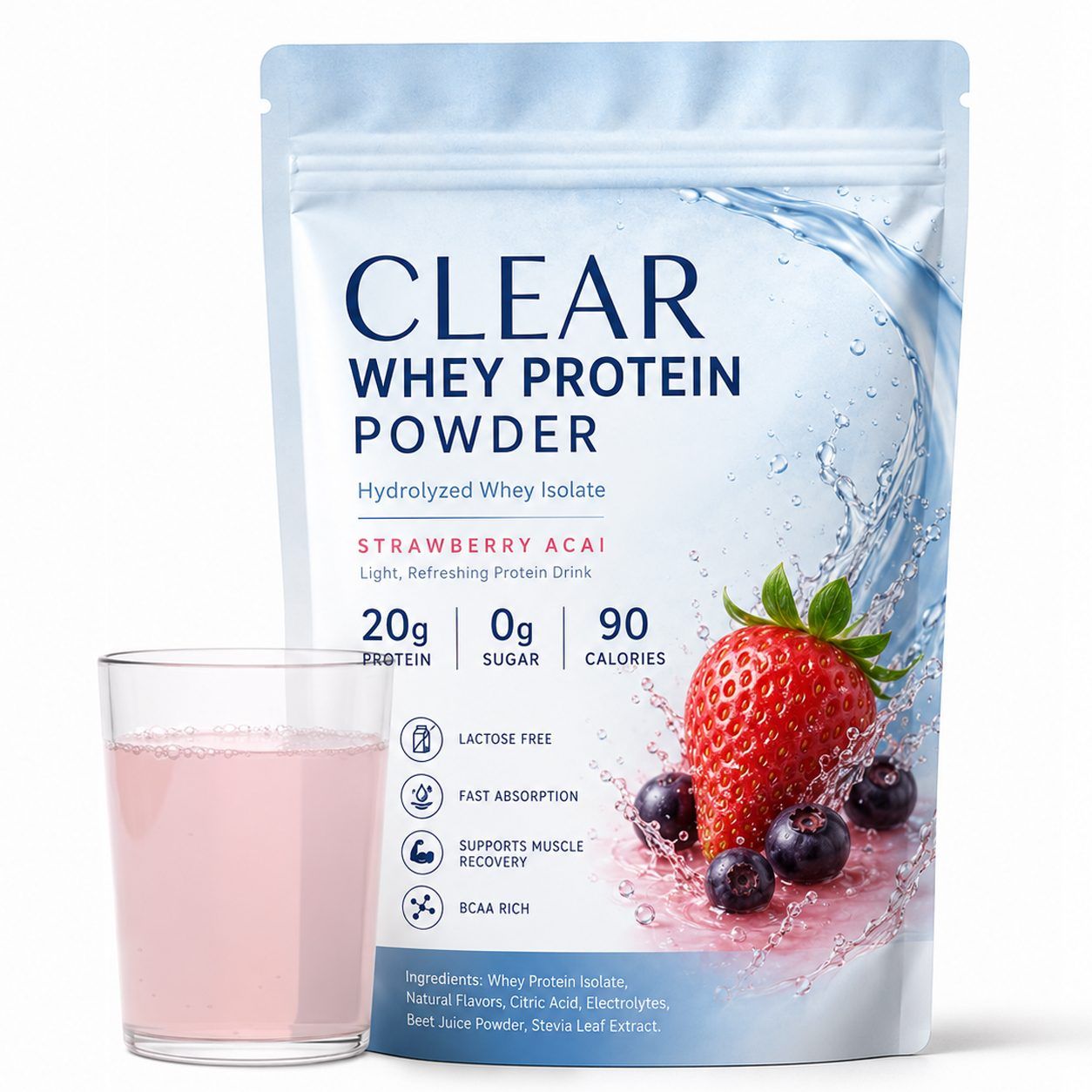
Moisture, anti-caking and flow
Powders are hygroscopic to different degrees, and the enemy is not water in the formula; it is water vapor moving through the package during storage. A well-made powder may leave the line with less than 5 percent moisture and still brick inside a poor pouch if the film barrier is too thin or the zipper leaks. It is the reason private label powder supplements can test perfectly at release and fail at the warehouse. Anti-caking agents slow this down. Silicon dioxide is the most common, typically used at 0.5 to 1.5 percent of the blend. It works by coating particles and limiting the liquid bridges that form between them.
The mistake is to add more silica when clumping appears. Above about 2 percent the mouthfeel becomes perceptibly gritty, and the powder may actually flow worse because the particles no longer slide past each other. If clumping happens, the first place to look is packaging: the water vapor transmission rate of the film, the desiccant packet, the seal integrity and the storage humidity. A better pouch with a desiccant often fixes clumping more cleanly than a formula change.
If a formula needs more than 1.5 percent silicon dioxide to stay free-flowing, the issue is usually the moisture barrier or the raw material moisture, not the anti-caking agent. We flag anything above 2 percent for a packaging review before we raise the silica level.
Packaging formats and MOQ economics
The primary package is part of the product. For private label powder supplements, the package is not decoration; it is the moisture barrier that preserves the formulation. A stand-up pouch is cheap and flexible, but it needs a good zipper and a film with a real aluminum or high-barrier layer to survive 24 months. A jar gives a premium retail presence and holds a scoop, but it needs a desiccant, a neck band and usually a printed carton. Stick packs are the most convenient for consumers and the highest unit cost, because the laminate, individual cut and outer carton add steps. Bulk 25 kg bags are the cheapest per kilogram but are not offered by many contract manufacturers because the filling line, testing and storage requirements are different from consumer packaging.
For a sense of what each format does to lead time and minimums, see our breakdown of MOQ and lead times in supplement manufacturing. The driver for powders is almost always packaging and fill format, not the raw material.
| Format | Typical MOQ | Relative unit cost | Shelf-life driver | Best channel | Key caution |
|---|---|---|---|---|---|
| Stand-up pouch | 1,000 units | Lowest | Zipper + film barrier | Amazon, DTC | Thin film lets moisture in |
| Jar / tub | 1,000 units | Medium | Desiccant + seal | Retail shelves | Needs carton and scoop validation |
| Stick pack box | 1,000 units | Higher | Laminate barrier | Subscription, gyms | Artwork must fit a small stick |
| Bulk 25 kg bag | Often higher equivalent | Lowest per kg | Bag liner + heat seal | B2B repackers | Verify factory has bulk line and CoA |
The 25 kg question most brand owners forget to ask
If your route to market is bulk blending, repacking or selling to another brand, 25 kg bags are the format you actually need. Not every powder contract manufacturer has a validated bulk filling line, and asking for a bulk quote late in the process often reveals the gap. The question belongs in the first factory call: can you fill bulk bags with a CoA per lot, what is the MOQ, and can you maintain the same moisture and mesh specification as the consumer SKU? If the answer is no, you may need a separate packer, which adds cost and transit risk.
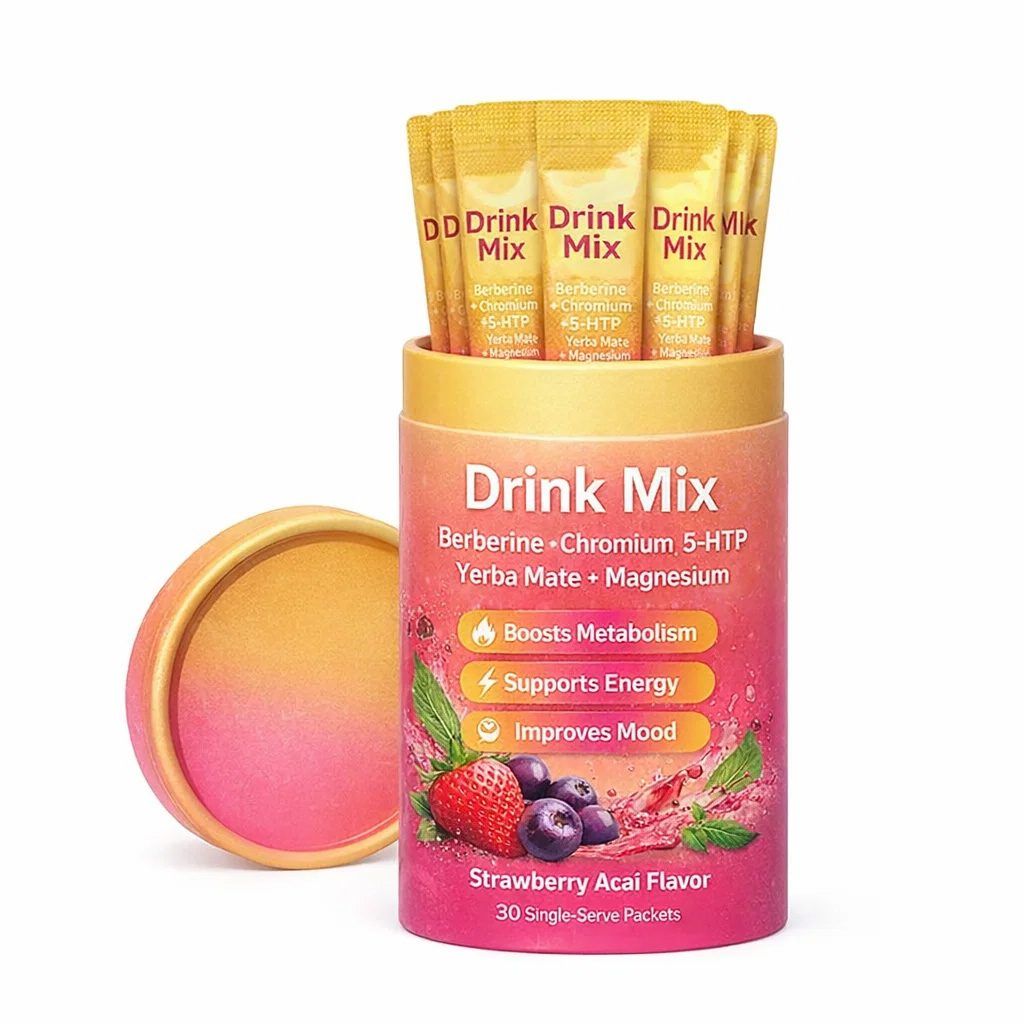
Compliance and labeling: what can go on the panel
Powder supplements follow the same regulatory framework as any other dietary supplement, but the label has format-specific traps. That makes compliance for private label powder supplements a format-specific exercise, not a copy-paste from a capsule or gummy project. Serving size must be stated as a scoop, stick pack or weight, and the scoop weight must be validated because consumers do not weigh powder. Moisture and density variations mean a heaping scoop can deliver 20 percent more active than a level scoop, so the serving declaration and the fill weight need to be locked together. Structure-function claims must carry the standard disclaimer and must not promise diagnosis, treatment or cure.
Flavor and color ingredients must be declared by their common or usual names, and natural flavor is not a single ingredient. If a product is positioned as sugar-free, the claim has to meet the local threshold, which is not the same in the United States, the European Union and other markets. Allergen labeling for milk, soy and other carriers matters because many powder bases use dairy, lecithin or maltodextrin.
Our overview of FDA, cGMP and HALAL requirements covers the certificates and label review steps we run with every powder project, including the heavy-metals, microbiological and identity testing a finished lot should ship with.
Ready to specify a private label powder supplement that survives scale-up?
Send us your target active, serving size, flavor direction and packaging format. We will come back with a particle-size recommendation, a flavor-system cost breakdown and a sample plan that tests solubility, mouthfeel and 30-day moisture stability before the first production run.
Five decisions to make before briefing a powder project
- State the mesh size or particle-size target in the specification, not as a marketing adjective like fine or smooth.
- Classify the active as soluble, dispersible or insoluble, because that determines whether the consumer needs a spoon, a shaker or a suspending agent.
- Price the flavor system as a cost block, not an afterthought. It can exceed the active ingredient cost per serving.
- Treat anti-caking above 1.5 percent as a packaging warning, not a formula fix.
- Ask about bulk 25 kg filling in the first call if your route to market is B2B or repack, because many factories do not offer it.
Sources
- U.S. Food and Drug Administration - Guidance for Industry: Questions and Answers on Dietary Supplements
- USP-NF General Chapter <786> - Particle Size Distribution Estimation by Analytical Sieving
- EFSA Panel on Food Additives and Nutrient Sources - Scientific opinion on silicon dioxide as a food additive
- Yukang Medicine internal formulation and production records for powder SKUs including whey protein, electrolyte drink mix, greens and magnesium complexes
Key takeaways
- Mesh size is a mouthfeel and flow decision first; true solubility is a property of the active, not the particle size.
- Instantizing improves wetting but adds process cost and extra ingredients; choose it only when the consumer experience justifies it.
- Flavor and sweetener systems can cost more per serving than the active ingredient, especially for bitter minerals.
- Anti-caking load above 1.5 percent usually signals a packaging or raw-material moisture problem, not a formula gap.
- Packaging format drives MOQ and landed cost more than the powder itself; ask about bulk 25 kg filling early if that is your route to market.
Frequently asked questions
What is the best mesh size for a drink powder?
For most flavored drink mixes, 200 mesh, around 74 microns, gives the best balance of smooth mouthfeel and reliable line flow. Move to 325 mesh, around 44 microns, only if the positioning demands a near-clear, residue-free finish, because finer powders flow worse, dust more and cost more to mill.
What is instantized powder and is it worth the extra cost?
Instantized powder has been agglomerated into slightly larger granules so water penetrates faster and the powder wets without floating. It is worth it for premium protein or drink mixes where rapid dissolution is part of the promise, but it adds a processing step and often a lecithin or binder that must be declared on the label.
How much does flavor add to the unit cost of a powder supplement?
In a typical flavored stick pack or pouch, the flavor, sweetener, color and mouthfeel agents can make up 25 to 40 percent of unit cost, sometimes more than the active ingredient. Natural stevia or monk fruit systems cost more than sucralose, and sugar-free bulk sweeteners like erythritol increase serving size and shipping weight.
Why does my powder clump in the pouch after a few weeks?
Clumping is almost always moisture migration through the package or a hygroscopic raw material, not a missing anti-caking agent. Check the film barrier, zipper seal and desiccant before raising silicon dioxide above 1.5 percent, because extra silica changes mouthfeel without fixing the root cause.
What is the MOQ for private label powder supplements?
MOQ is driven by the fill format and packaging, not by the raw material. Typical minimums start at 1,000 finished units for pouches, jars or stick-pack boxes. Custom packaging, a new flavor system or a bulk 25 kg filling line may raise that floor, so confirm the exact number against your chosen format when you request a quote.
Can you supply powder supplements in bulk 25 kg bags?
Some powder projects can be filled in bulk bags, but this requires a validated bulk line, a heat-sealed liner and a separate CoA per lot. If your route to market is repacking or B2B sales, ask about 25 kg capability in the first factory call, because not every contract manufacturer offers it and the timeline differs from consumer packaging.
Have a project in mind? We'll come back with MOQ, formula options and lead time within 24 hours.
Request a Quote