Why the format decision comes before the quote
Hard capsule vs softgel vs tablet is the question that decides almost everything downstream: your unit cost, your minimum order, your stability risk and even what your label is allowed to claim about the shell. Brands usually arrive at the factory with a formula deck and no format decision, then discover that the same 500 mg botanical prices 30 percent apart depending on whether it is filled into a shell or compressed under a punch. The format is not a packaging detail. It is the first engineering decision of the project.
The three solid formats are not interchangeable, and each one owns a territory that the other two cannot enter at any price. Oils live in softgels. Compressible botanicals get the lowest unit cost in tablets. Powders, probiotics and heat-sensitive extracts run fastest and safest in hard capsules. Most rework we see happens when a brand commits to a format for shelf appeal first and tries to force the formula through it second.
This guide stays at the decision layer - payloads, tooling, stability and perception - and links out to the deep dives where they exist. If you already know you are going the shell route, our hard capsule manufacturing line is the starting point; the comparisons below tell you whether that instinct is right for your fill.
What each format can actually hold per unit
Payload is where format decisions get made or broken, because serving size is a marketing number and the unit is a physics number. A size 0 hard capsule holds roughly 450 to 650 mg of a typical botanical blend at a tapped density around 0.6 g per mL; the largest size 000 reaches about 1,000 mg with the same blend. Tablets compress more densely - a 10 mm punch can carry 600 to 800 mg - but only if the blend actually compresses, which sticky or fibrous extracts refuse to do. Softgels sit between: a standard oval carries 500 to 1,200 mg of liquid fill, which is why a 1,000 mg fish oil serving fits in one unit.
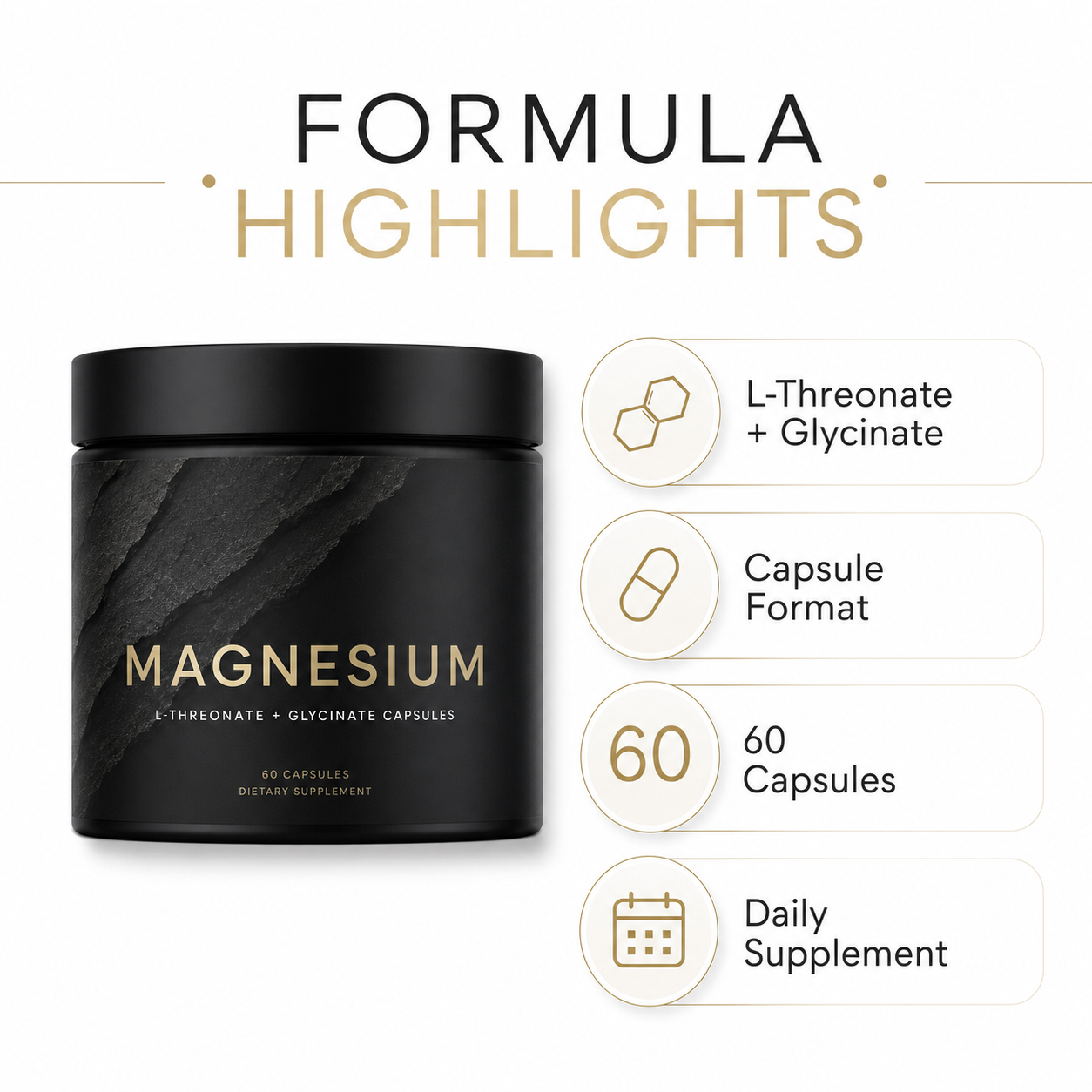
The practical consequence is serving-count arithmetic. Our multi collagen complex delivers 1,500 mg across 3 capsules, our magnesium L-threonate formula delivers its 1,000 mg of threonate blend across 2 capsules, and our HMB SKU carries a full gram in a single capsule. Same factory, same capsule sizes - the difference is blend density and how the brand wanted the serving split. Every additional unit per serving multiplies the fill cost, the count per bottle and the swallow burden the consumer judges you on.
| Format | Typical fill per unit | Real SKU on this site | What limits it |
|---|---|---|---|
| Hard capsule (sizes 000 to 4) | About 120 to 1,000 mg of powder blend | Milk thistle 200 mg in 1 capsule; HMB 1,000 mg in 1 capsule | Tapped density of the blend; standard size availability |
| Softgel | About 500 to 1,200 mg of liquid or suspension | Omega-3 fish oil 1,000 mg in 1 softgel | Fill must pump and hold a suspension; shell adds its own weight |
| Tablet | About 200 to 1,500 mg compressed; chewables higher | Turmeric 1,910 mg across 2 tablets; magnesium 300 mg elemental across 2 tablets | Compressibility of the blend; punch tooling per size and shape |
Hard capsule vs softgel: the fill decides, not the marketing
The comparison most brands get wrong is hard capsule vs softgel, because they look like two versions of the same idea. They are not. A hard capsule is a dry-fill container: powders, granules, pellets or tiny tablets go in at ambient temperature. A softgel is a sealed liquid system: the fill is pumped warm into a molten gelatin ribbon and sealed in one motion. That single difference disqualifies more formulas than price ever will. Anything that degrades above roughly 40 degrees Celsius, or that cannot hold a uniform suspension while being pumped, is out of a conventional softgel before the commercial conversation starts.
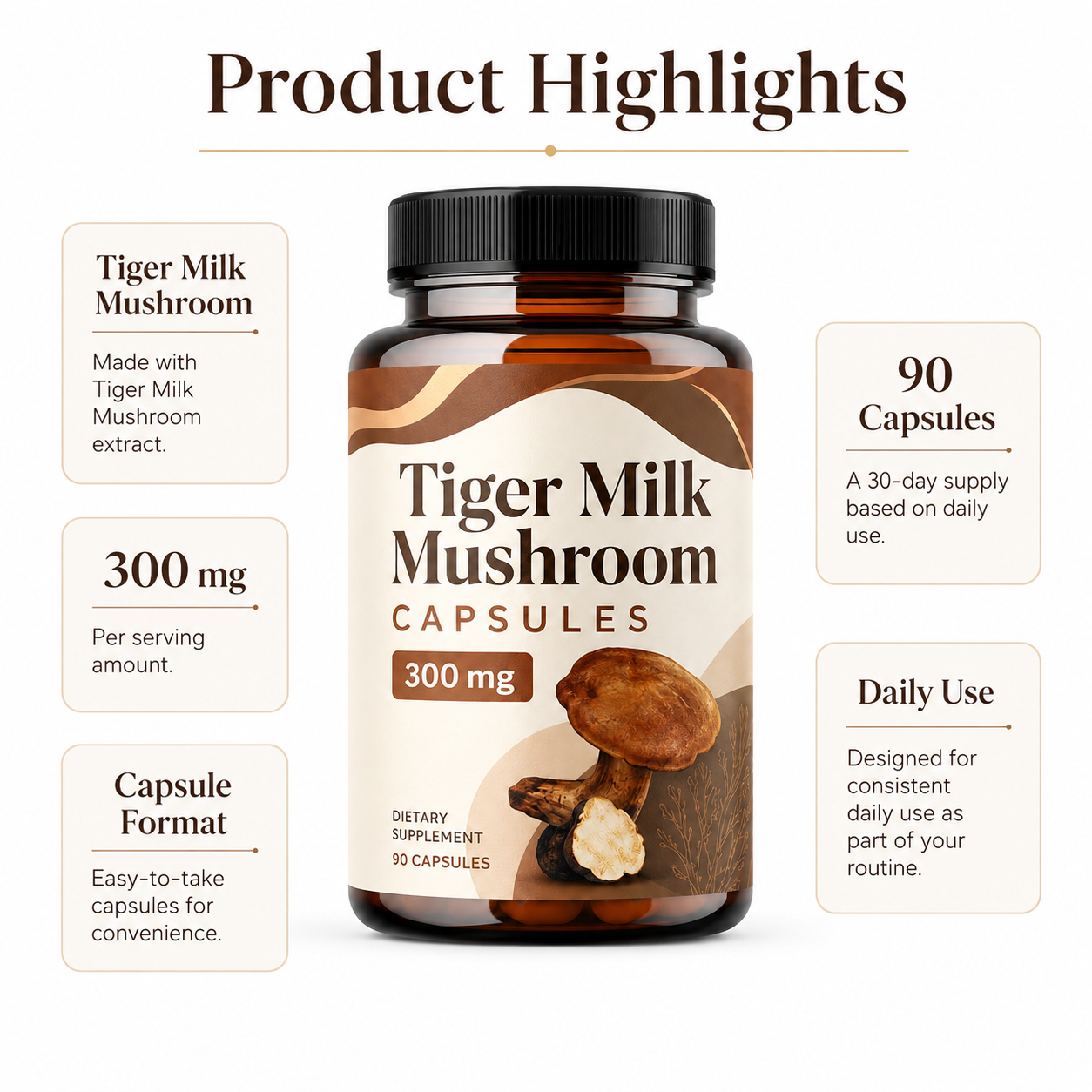
The shell also shows up on your label whether you like it or not. A softgel shell typically adds 150 to 300 mg of gelatin, glycerin and water around the fill, all declared as other ingredients, and its plasticized surface feels premium to consumers precisely because it is soft and opaque. A hard capsule declares only the two-piece shell itself - and if the shell is hypromellose, our creatine capsules and several botanical SKUs declare exactly that - the shell supports a vegetarian claim. One more factory-side truth: powders cannot go into a conventional softgel at all. If your active is a dry extract, the softgel route means reformulating it into a suspension, which is a development project, not a packaging switch.
For formulas that genuinely are oils, the softgel territory is real: browse the softgel manufacturing line and the 1,000 mg omega-3 softgel to see what a sealed liquid dose looks like as a finished SKU.
| If your formula is... | The realistic answer | Why |
|---|---|---|
| Dry powder, 1,000 to 3,000 mg per serving | Hard capsules, 2 to 3 per serving | No tooling; split dosing keeps each shell under its payload ceiling |
| Oil, oil-soluble vitamin or omega | Softgel | Sealed liquid dose with the best oxygen barrier of the three |
| Extract that compresses cleanly | Tablet | Lowest unit cost at volume; 1 to 2 units per serving |
| Sticky, hygroscopic or heat-sensitive extract | Hard capsule | Blending beats granulating; shells run at ambient temperature |
| Probiotic or enzyme blend | Hard capsule with an HPMC shell | No compression force, no warm fill, lowest shell moisture |
| Chewable or lozenge concept | Tablet | Flavour system built into the compressed unit; shells are not chewable |
Tooling, samples and the fastest path to a first order
The three formats differ sharply in what has to exist before the first production run. Hard capsules run on standard, off-the-shelf two-piece shells: no tooling, no sample round, and a confirmed order moving from brief to bottle in roughly 3 to 4 weeks, which is why we treat the format as the fast track in manufacturing. Tablets need punch tooling cut to the exact size and shape of your unit - custom tooling is realistic from around 3,000 to 5,000 units - plus compression trials before the batch. Softgels need die tooling for the shell shape and a longer development loop around the fill system, with the whole encapsulation matrix tuned per formula.
Minimum orders follow the tooling. Our baseline is 1,000 units for standard formats, with pilot quantities from 300 to 800 units where the formula is proven, and samples in 7 to 10 days followed by about 15 working days of production on a standard capsule order. A tablet project adds tooling lead time in front of that calendar; a softgel project adds fill development in front of that calendar. Neither is disqualifying - but if your launch window is fixed, the format decision is really a calendar decision.
The timeline arithmetic is laid out in the hard capsule fast-track guide and the broader MOQ and lead times guide; both walk the same calendar from confirmed order to shipped cartons.
Treat the index above as an order of magnitude, not a quotation. The tablet wins on raw unit cost once volumes justify the punch tooling, because compression is fast and the excipient system is cheap. The softgel carries a real premium: the shell itself is a manufactured product with gelatin, glycerin and water in controlled ratios, and the fill system is slower per hour than a capsule filler or a tablet press. The hard capsule sits between, and it starts cheaper than either at low volume because nothing has to be manufactured before your formula is.
Stability: each shell manages moisture, oxygen and heat differently
Stability is where format choices quietly create or destroy shelf life. A hard gelatin shell holds 13 to 16 percent moisture; an HPMC shell holds 4 to 6 percent; a softgel shell sits around 6 to 8 percent and is plasticized with glycerin, so water migrates in both directions between shell and fill. Tablets are the driest unit of the three, which is why moisture-sensitive actives often test better as tablets - as long as the blend survived compression. This is also the point where shell material becomes a formulation variable: a hygroscopic botanical inside a gelatin shell will wick water out of the shell itself, soften in accelerated stability, and present as a shell problem that is actually a shell-choice problem.
Oxygen and heat split the formats differently. The softgel is a fully sealed unit and the best oxygen barrier of the three, which is why oxidisable oils live there. The two-piece hard capsule has a seam and wants a desiccant in the bottle. Tablets without coating have a porous core that oxidises faster than any sealed shell; film coating fixes most of it and adds a heat step. Heat itself is rarely the headline: hard capsules are filled at ambient temperature, tablet compression generates friction heat that only fragile actives such as live probiotics or enzymes notice, and the warm fill of a softgel line is the one genuine thermal event among the three.
| Stress | Hard capsule | Softgel | Tablet |
|---|---|---|---|
| Moisture | Shell holds 13 to 16 percent (gelatin) or 4 to 6 percent (HPMC); hygroscopic fills soften gelatin | Shell around 6 to 8 percent and plasticized; water migrates both ways with the fill | Driest unit; granulation must be dried to low water activity |
| Oxygen | Two-piece seam; pair with a desiccant | Fully sealed; the best oxygen barrier of the three | Uncoated cores are porous; film coating is the main defence |
| Heat | Filled at ambient temperature | Fill is pumped warm; heat-sensitive actives suffer | Compression friction is minor; coating adds a heat step |
| Light | Opaque two-piece shells available | Opaque films added to the shell | Film coating carries the light barrier |
Shell choice, moisture content and the sizes behind these numbers are documented in the capsule size and shell guide; the failure modes table in the shelf life and stability guide covers what accelerated testing does with each of them.
What buyers and consumers read into the choice
Format is also a positioning signal, and it is worth being honest about what each one says. In US and European retail, the bottled two-piece capsule is the default clean-label unit: count on the front, shell declared on the back, and with an HPMC shell the vegetarian claim sits right in the shell supplier documentation rather than in a marketing footnote. Softgels read premium and are the unchallenged consumer shorthand for oils - nobody expects fish oil in a tablet. Tablets read as commodity value at high counts, which is a strength in mass retail and a weakness in premium DTC, unless coating and shape are used deliberately.
Serving count is the perception channel brands underestimate. A one-capsule serving can be advertised as once daily; a three-capsule serving for the same daily grams triples the fill cost and the swallow burden, and reviewers mention it. When the payload table forces you to 3 units per serving, the honest responses are either a larger capsule size, a dose split across morning and evening, or a format change - and the earlier in the project you make that call, the cheaper it is.
A 500 mg daily serving is 1 hard capsule, 1 softgel - or 1 tablet if the blend compresses. The same 1,500 mg serving is 3 capsules, 2 softgels or 2 tablets, and every extra unit multiplies fill cost, bottle count, label area and the swallow burden your reviews will mention. Format and serving size are one decision, not two.
A checklist before you lock the format
- Write the target serving in milligrams of actives first; the format must carry it, not the reverse.
- Classify the fill: dry powder, oil, compressible extract, hygroscopic extract, or live culture.
- Check payload against real units: a size 0 holds roughly 450 to 650 mg of a typical botanical blend.
- If the active is an oil or oil-soluble nutrient, shortlist the softgel before anything else.
- If the blend refused a tablet trial, switch to a hard capsule instead of reformulating twice.
- Decide the shell material with the formula: gelatin for cost, HPMC for vegetarian positioning and low moisture.
- Count the units per serving and stress-test the swallow burden at 3 units and above.
- Price the tooling honestly: none for standard capsules, punch tooling from about 3,000 to 5,000 units for custom tablets, die tooling for softgels.
- Match the format to the calendar: 3 to 4 weeks for a standard capsule order, longer once tooling or fill development enters.
- Confirm stability packaging with the format: desiccant for two-piece shells, barrier blister or coated core for tablets.
The format decision table: one look, one answer
Everything above compresses into one table. Find your situation in the left column; the middle column is where an experienced factory would start, and the right column is the reason in one line. If hard capsule vs softgel vs tablet still ends in a tie for your formula, the deciding vote usually belongs to the calendar and the minimum order, not to the marketing deck.
| Your situation | Start with | Reason |
|---|---|---|
| First SKU, tight cash, a 1,000-unit order | Hard capsule | No tooling, stock shells, the fastest path from brief to bottle |
| Omega, CoQ10, vitamin D or any oil | Softgel | Sealed liquid dose with the best oxygen barrier |
| High-volume single botanical at a shelf price | Tablet | Lowest unit cost once punch tooling is amortised |
| Vegan or vegetarian positioning | Hard capsule with an HPMC shell | The shell itself carries the claim with supplier documentation |
| Hygroscopic extract that failed a tablet trial | Hard capsule with an HPMC shell | Low shell moisture without reformulating the blend |
| Children's or taste-sensitive SKU | Chewable tablet | Flavour system lives in the compressed unit |
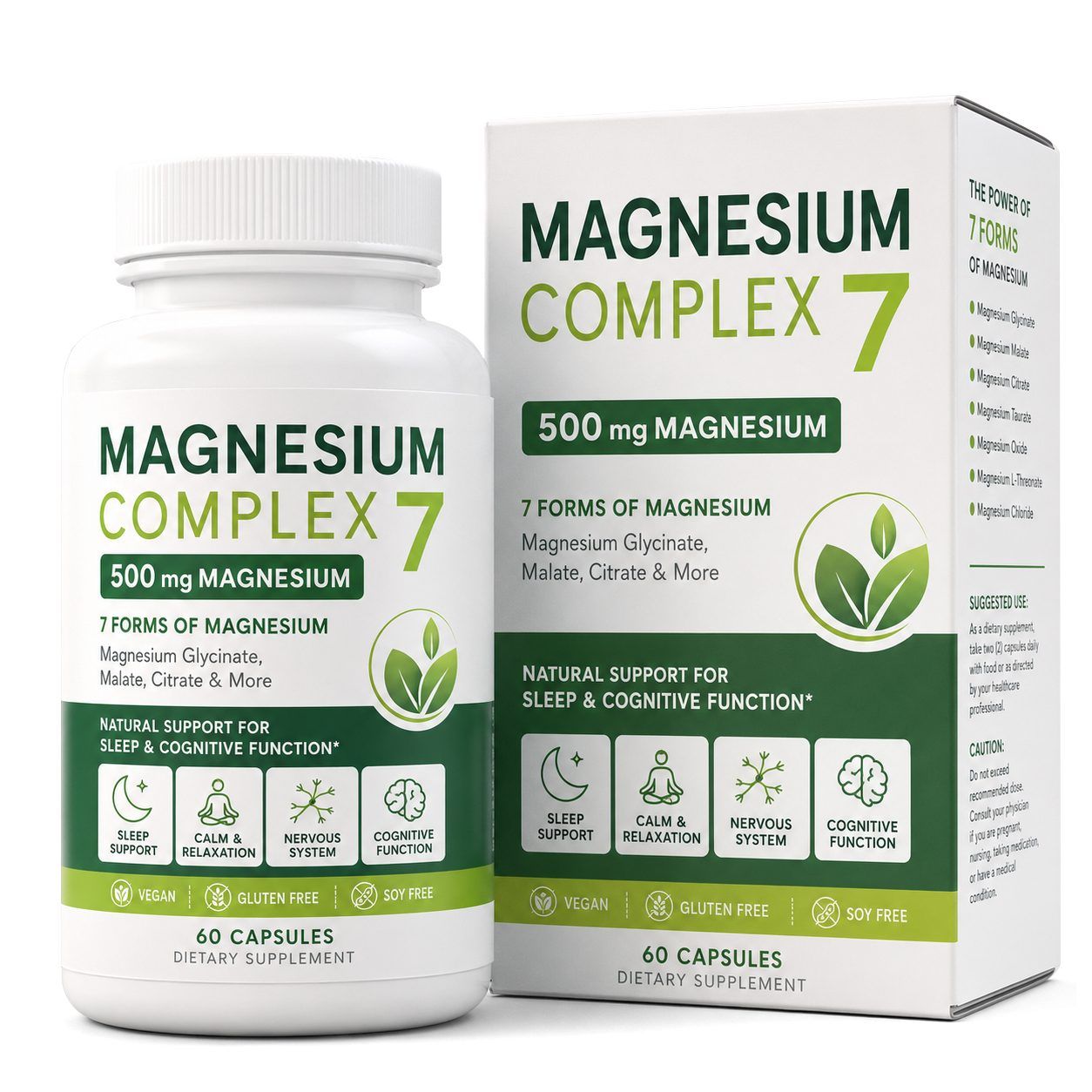
Where the answer is a tablet, the tablet manufacturing guide covers compression, coating and chewables in depth; where it is a hard capsule, our magnesium complex tablet and magnesium capsule SKUs show the same mineral family built in both formats for comparison.
Hard capsule vs softgel still tied? Send the formula.
Send the ingredient list, the target serving and your launch window. We will answer with the format an experienced plant would start with, the unit economics for 1,000 and 10,000 units, and the calendar from confirmed order to shipped cartons.
Key takeaways
- Hard capsule vs softgel vs tablet is an engineering decision before it is a marketing one: payload, fill type and stability disqualify formats before price does.
- Payload ceilings: a size 0 hard capsule holds about 450 to 650 mg of a typical blend, a standard softgel 500 to 1,200 mg of liquid, and a compressed tablet 200 to 1,500 mg only if the blend compresses.
- Oils belong in softgels because the fill is pumped warm and sealed; powders, probiotics and heat-sensitive extracts belong in hard capsules because nothing hot or compressive touches them.
- Tooling separates the calendars: standard capsules need none, custom tablets add punch tooling realistic from about 3,000 to 5,000 units, and softgels add die tooling plus fill development.
- Shell moisture is a formulation variable: gelatin holds 13 to 16 percent water, HPMC 4 to 6 percent, and hygroscopic fills soften gelatin shells in accelerated stability.
- Serving count is a cost and perception multiplier - every extra unit per serving multiplies fill cost, bottle count and the swallow burden consumers review.
Frequently asked questions
Can a softgel hold powdered ingredients?
Not in a conventional softgel. The fill must be a liquid or a stable suspension that can be pumped warm and sealed in one motion, so a dry extract has to be reformulated into a suspension first. Powders belong in hard capsules or tablets. Some specialty two-piece soft capsule systems exist for pastes, but they are a different product with different minimums - ask before assuming a standard softgel line can take your powder.
Which format is cheapest per unit?
Tablets have the lowest unit cost at volume once the punch tooling is amortised, because compression is fast and the excipient system is inexpensive. Hard capsules start cheapest at low volume because standard shells need no tooling. Softgels carry a real premium because the shell is itself a manufactured product. The crossover between tablet and capsule economics typically lands somewhere in the tens of thousands of units, which is why the right answer depends on your order depth, not on a universal price list.
Do hard capsules support a vegan or vegetarian claim?
Yes, when the shell is plant-based. A hypromellose (HPMC) shell is vegan-friendly, and the claim is supported by shell supplier documentation rather than by marketing wording - the certificate covers the shell material itself. Gelatin shells are bovine or porcine and cannot carry a vegan claim, which is why shell material is chosen together with the formula, not at the packaging stage. Confirm the shell type and its documentation at quotation so the claim survives your own compliance review.
What minimum order should I expect for each format?
Our baseline is 1,000 units for standard formats, with pilot quantities from 300 to 800 units where the formula is already proven. Standard hard capsule orders are the most accessible because nothing custom has to be manufactured first. Custom tablet tooling becomes realistic from around 3,000 to 5,000 units, and softgel projects carry die tooling plus fill development on top of the unit minimum. Get the tooling terms in writing at quotation, because they are a larger share of first-order cost than the per-unit price.
Which format gets a new brand to market fastest?
The hard capsule, by a wide margin. With stock two-piece shells there is no tooling and no sample round: a confirmed order runs from brief to bottle in roughly 3 to 4 weeks, with samples in 7 to 10 days and about 15 working days of production. Tablets add tooling and compression trials; softgels add fill development and die tooling. If your launch window is fixed - a seasonal listing, a retail commitment, a campaign date - the format decision is effectively a calendar decision.
Can I switch formats later without redesigning the formula?
Partly. Moving a dry blend from tablets to hard capsules is usually a blending change, not a reformulation. Moving any formula into a softgel means turning the fill into a pumpable liquid or suspension, which is a development project. Moving from a capsule to a chewable adds a flavour system to the compression work. Dose arithmetic changes too: payload per unit differs by format, so the serving count and the count per bottle usually shift with it. Plan the exit route before the first order, not after.
Have a project in mind? We'll come back with MOQ, formula options and lead time within 24 hours.
Request a Quote