Why the protein tub keeps taking shelf space
The commercial case for private label protein powder starts with shelf arithmetic. In a public ranking of the top 100 supplement listings on TikTok Shop United States in September 2026, sports nutrition accounted for 17.9 percent of units sold, the third-largest functional group behind weight, metabolic and gut management at 30.9 percent and magnesium and sleep products at 22.5 percent. The ranking is a public marketplace snapshot rather than internal sales data, and it groups listings broadly, so read it as the direction of demand rather than a market share. The direction is not subtle, and protein tubs are where most of that group lives.
What the ranking does not show is how literate the buyers are. A shopper comparing two tubs reads the grams per scoop, the amino acid panel, the sweetener list and the servings count before reading the price, and returns follow the same logic: a taste that disappoints, a scoop that clumps, or a container that arrives half empty. The three decisions that separate a tub that repurchases from one that gets returned are the raw material grade, the flavour and sweetener system, and the container, in that order. Every section below is about getting one of those three right.
Whey grades: three letters that set your cost, your taste and your panel
Whey is not one raw material. A whey protein concentrate at 80 percent carries 4 to 8 percent lactose and 3 to 5 percent fat, which is what gives chocolate and cookie-style flavours their body and their dairy note. A whey protein isolate is filtered to at least 90 percent with almost no lactose or fat, mixes cleaner in water and suits lighter fruit profiles. A hydrolysate has been enzyme-cut into short peptides, which costs a marked bitterness that scales with the degree of hydrolysis. Most first-time brands should quote all three grades before locking a private label protein powder formula, because the grade decides the flavour budget as much as the flavour decides the grade.
| Grade | Protein content | Lactose and fat | What it does to the formula | Where it fits |
|---|---|---|---|---|
| Whey protein concentrate, WPC 80 | About 80 percent | 4-8 percent lactose, 3-5 percent fat | Carries dairy body and a natural sweetness; the cheapest source per kilogram of actual protein | Chocolate and milkshake-style tubs, everyday value positioning |
| Whey protein isolate, WPI | 90 percent or higher | Under 1 percent of each | Clean mixing, low lactose, lighter mouthfeel that needs gums or cream notes to fix | Low-sugar claims and fitness retail; the only base for clear formats |
| Hydrolysed whey, WPH | 90 percent or higher | Under 1 percent, cut to short peptides | Bitterness that scales with the degree of hydrolysis, so it needs a masking system | Recovery SKUs where absorption wording is supported and price is secondary |
Read that chart as buying guidance, not as trivia. Suppliers quote per kilogram of powder, but you sell grams per scoop, so the only price that matters is the price per kilogram of actual protein. A concentrate quoted at 12 dollars per kilogram at 80 percent works out to 15 dollars per kilogram of protein. An isolate quoted at 17 dollars per kilogram at 90 percent works out to about 18.90. Between those two points sit flavour carryover, lactose, foaming and the claim headroom on your panel, and any one of them can be worth more than the 26 percent premium. This is the first quote any experienced buyer reworks, and it is the fastest way to spot a supplier quote built to look cheap.
The protein number on the label is a test method, not a fact
Protein on a supplement panel is calculated, not measured directly. Laboratories run a nitrogen assay, Kjeldahl wet chemistry or Dumas combustion, and multiply the result by a conversion factor: 6.25 as the general factor, 6.38 for milk proteins, and as low as 5.70 for wheat. The factor alone moves a label by around 2 percent, which is why two certificates on the same lot can disagree while both are technically correct. The number also counts nitrogen from anywhere, which is where the known category abuse lives: cheap non-protein nitrogen such as glycine, taurine or added creatine inflates a nitrogen result at a fraction of the cost of the real thing. An honest specification therefore pairs the nitrogen assay with an amino acid profile by HPLC, and compares the summed amino acids against the nitrogen result. A gap of more than a few percent between the two is not a rounding difference, it is a formulation question.
| Check | Method | What it proves | The trap it catches |
|---|---|---|---|
| Protein content | Kjeldahl or Dumas nitrogen assay with a stated conversion factor | Grams of crude protein per serving against the specification | Factor shopping: 6.25 versus 6.38 moves the label by about 2 percent |
| Amino acid profile | HPLC amino acid analysis | That the grams come from intact protein rather than free amino acids | Amino spiking with glycine, taurine or cheap leucine cuts |
| Sum versus nitrogen | Amino acid total compared with the nitrogen result on the same lot | Internal consistency of the two tests | A nitrogen result that only works with unlabelled non-protein nitrogen |
| Heavy metals | ICP-MS for lead, cadmium, arsenic and mercury | Compliance with the limits of your target market | Plant bases carry a higher burden than dairy; rice is the arsenic watch item |
| Moisture and microbial | Water activity, plate counts | Shelf life and caking behaviour | Moisture drift in a hygroscopic blend shows up as clumps in month three |
Serving size, the scoop and the price per gram of protein
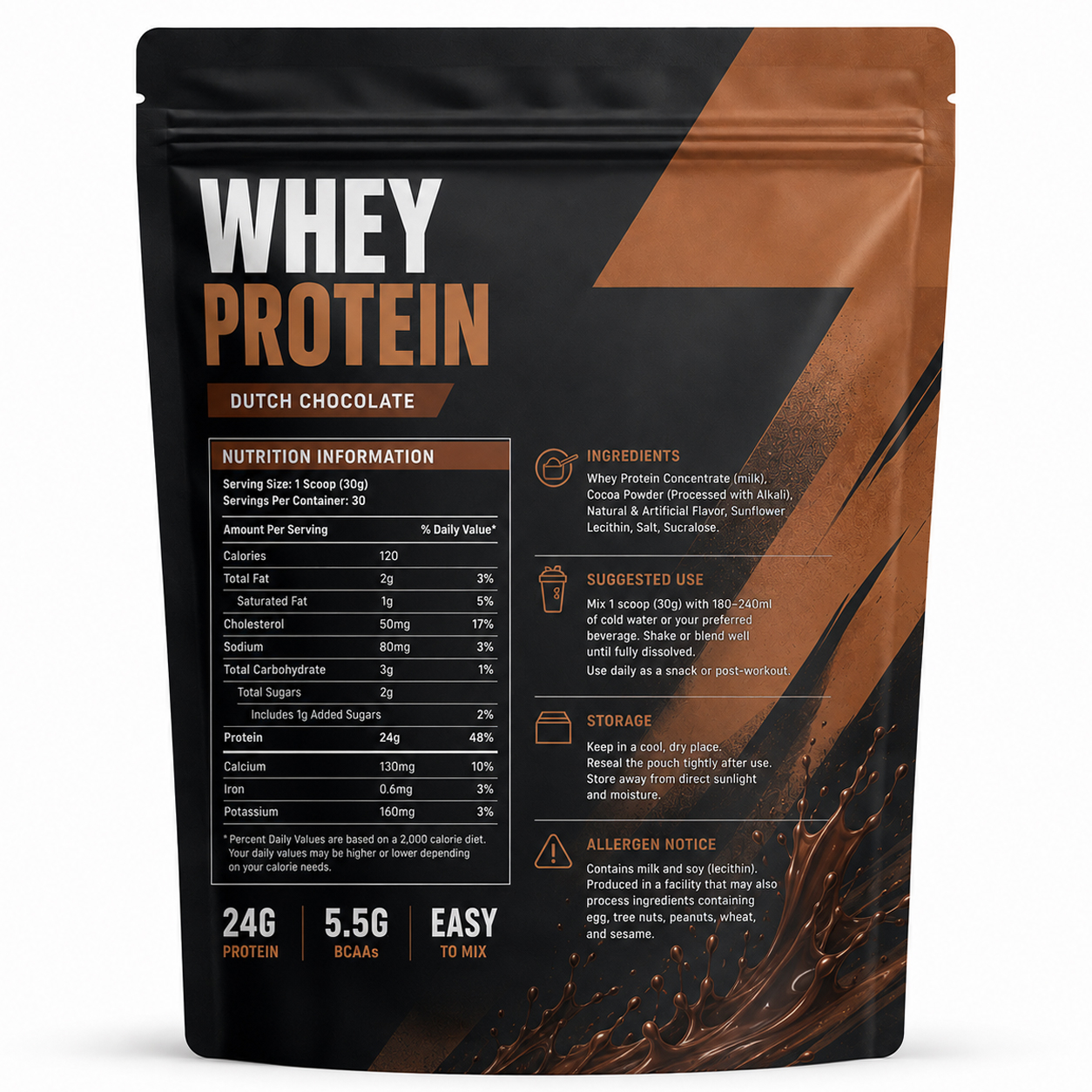
Serving size is where formulation, cost and container meet. Our reference Dutch chocolate whey delivers 24 g of protein in a 30 g scoop, roughly 5.5 g of naturally occurring BCAAs, 120 calories and 30 servings in the tub. A fruit-forward isolate blend of the kind shown below runs 25 g per serving in a 600 g tub with 20 servings, with citric acid and stevia doing the flavour work. At the light end, a 20 g stick pack carrying 10 g sells convenience to casual users, and 60 of them weigh 1.2 kg. Same category, three different cost structures, and the scoop size you choose determines the container, the freight class and the price point you can defend.
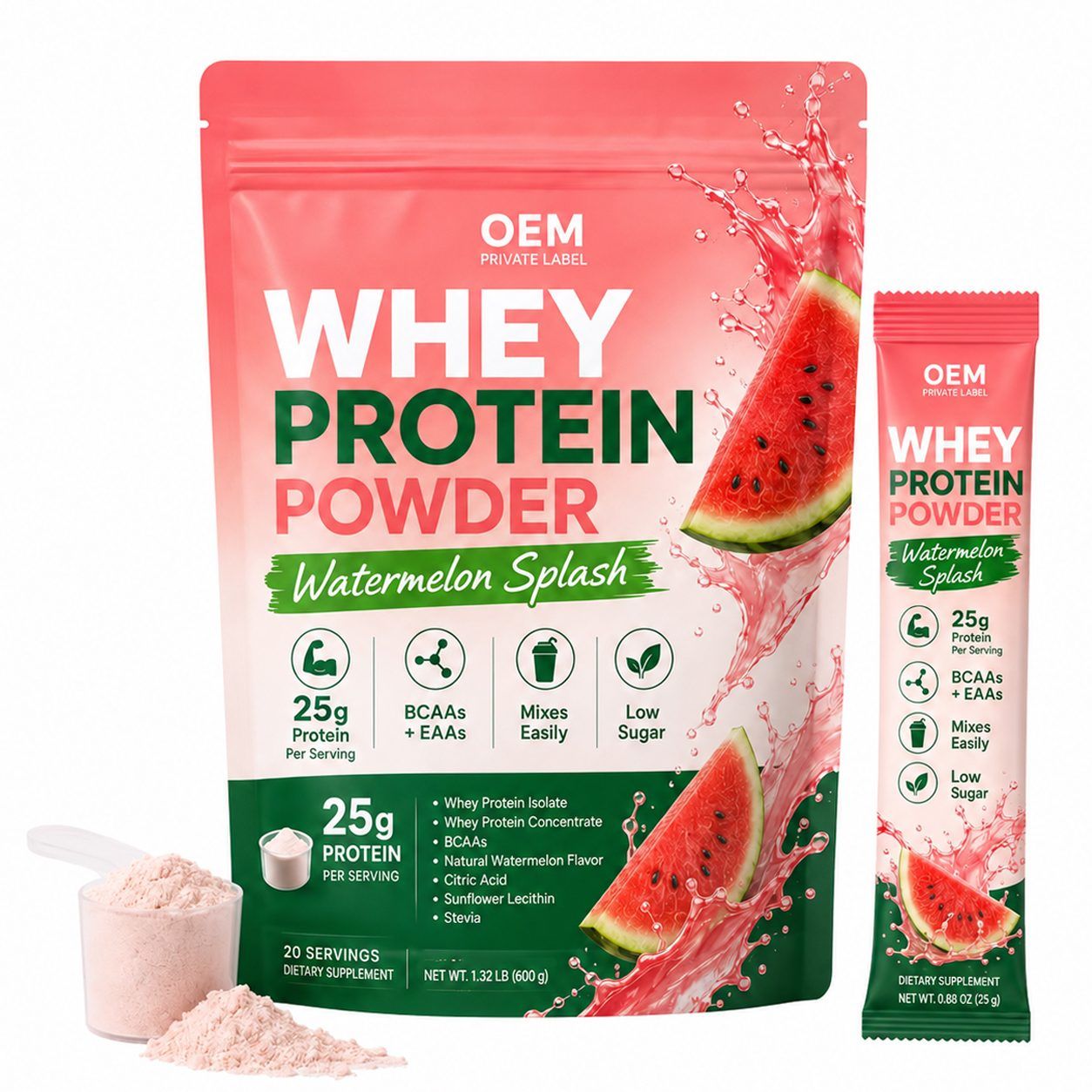
Work the arithmetic per serving rather than per tub. A 24 g claim at an 80 percent blend needs a 30 g scoop; the same claim at a 60 percent blend needs 40 g, which is 33 percent more powder per serving and 33 percent more tub to fill and to ship. Brands that fix the scoop before the grade end up paying for that decision twice, once in the blend and once in the freight.
Flavour is a system, not a line item on the quote
Protein flavours fail for mechanical reasons. A hydrolysate is bitter in proportion to its degree of hydrolysis, plant isolates carry beany and earthy notes, and cocoa masks both better than vanilla because the bitterness reads as chocolate character. Sweetener choice matters more than flavour choice: sucralose holds at low pH and under heat, while stevia carries a liquorice tail that concentrates at the back of the palate, and monk fruit blends split the difference at a higher cost. The mouthfeel gap left by removing fat and lactose is closed with sunflower lecithin, pectin or a gum at fractions of a percent, and those small percentages decide whether the shake drinks like a milkshake or like chalk. In most blends the flavour and sweetener system is a larger cost line than buyers expect relative to the base powder, and it is the single best predictor of whether the consumer finishes the tub.
Clear protein is a heat-stability problem before it is a flavour one
Clear protein drinks, the citrus-style waters that took over the fitness fridge, are made from whey protein isolate processed around pH 3.5. Below its isoelectric point the protein stays dispersed and the drink reads like juice; heat it carelessly at that pH and it denatures into a permanent haze. The manufacturing constraints follow from that: isolate only, because concentrate lactose clouds and caramelises; gentle pasteurisation or aseptic filling for ready-to-drink versions; and flavours built for acid, because a cocoa note at pH 3.5 does not work. A clear powder SKU shares the acid logic with far less thermal risk, which is why it is the sensible first clear product for a brand moving from tubs.
The container is sized by bulk density, not by net weight
Here is a quote-stage mistake that costs reprints: containers get chosen from net weight before anyone measures the blend. Bulk density in this category runs from about 0.35 g per millilitre for an agglomerated instant blend to about 0.6 for a dense non-agglomerated isolate, so a 907 g net weight needs anywhere from roughly 1.5 to 2.6 litres of jar volume once fill headroom and scoop clearance are added. Measure the tapped density of the actual blend, then size the jar, then price the freight. Agreeing a 2 lb tub and only later landing on a fluffy blend is how tubs arrive half empty or lids do not seat, and dimensional freight weight follows volume as readily as it follows mass.
| Format | Typical fill | What sets the size | Cost behaviour |
|---|---|---|---|
| Rigid tub, 30 servings | About 900 g of blend | Tapped density plus headroom and scoop clearance | Best cost per serving at scale; freight rises with volume |
| Resealable pouch | 400-600 g, 20-40 servings | The same density logic with a forgiving silhouette | Cheapest entry; small first runs survive on pouch margins |
| Stick packs or sachets | 15-25 g each, 20-60 per carton | Serving size and dose accuracy | Highest packaging cost per serving; buys dose accuracy and gym-bag convenience |
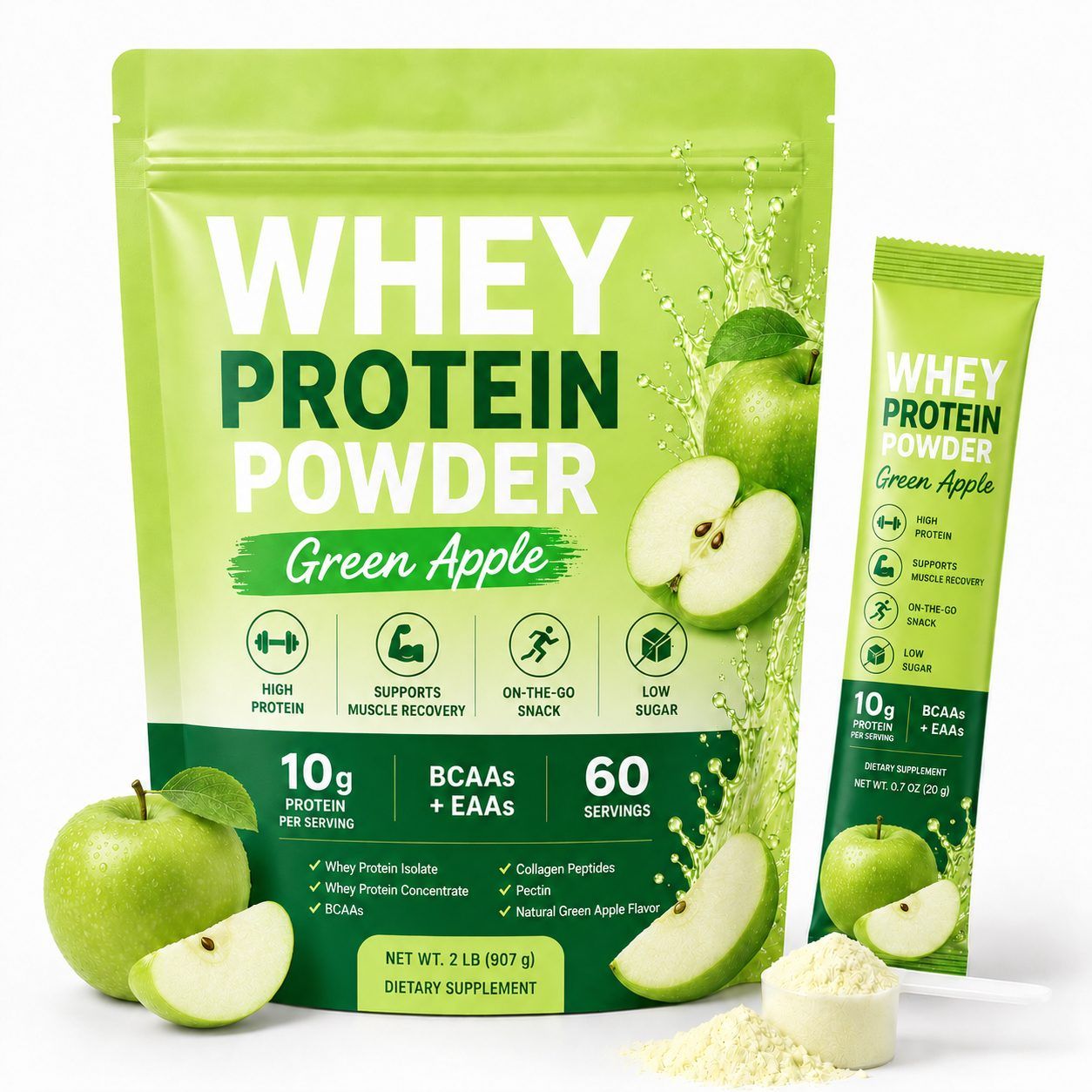
Stick packs also change the brief in a second way: a 20 g sachet of a 50 percent blend delivers 10 g, so the blend specification and the sachet count have to be agreed together. On the reference green apple format, 60 sticks of 20 g make a 1.2 kg carton that sells a month of single-serve doses, and the filling line needs the free-flowing behaviour of an instantised blend to hit sachet weight accuracy.
Plant blends: lysine, DIAAS and the blend arithmetic
Single plant proteins each have a limiting amino acid: pea runs short on methionine and cysteine, rice runs short on lysine, which is why the working answer is almost always a blend, commonly pea and rice in proportions that complement each other. Quality scoring matters for claims as well as for marketing: PDCAAS truncates at 1.0 and is measured with faecal digestibility, while DIAAS, the newer FAO-endorsed method, uses ileal digestibility and allows values above 1.0. Whey clears the bar comfortably; most single plant proteins sit below it, and a well-built blend closes much of the gap. The specification side matters more for plant than for dairy: cadmium and lead are the routine watch items in plant materials, rice carries the highest arsenic risk, and each incoming lot should be tested rather than assumed. None of this makes plant harder to manufacture, it just moves the work into the specification sheet.
| Decision point | Whey-based tub | Plant blend |
|---|---|---|
| Dose efficiency per scoop | 24 g in a 30 g scoop is standard | Commonly 20-25 g in a 35-40 g scoop, so more tub volume per serving |
| Flavour base | Dairy notes carry chocolate and milkshake profiles | Beany and earthy notes need masking; fruit and cocoa both work with effort |
| Allergen panel | Contains milk | Usually free of the major allergens; soy is the common exception |
| Quality claim basis | DIAAS above 1.0 for isolates; PDCAAS 1.0 | Blends close the gap; single sources sit below whey |
| Specification watch items | Lactose and fat carryover | Heavy metals per lot, especially cadmium, lead and arsenic in rice |
What a protein powder label can actually say
Protein is one of the few categories where the claim language is genuinely generous, which is why it is also closely policed. In the United States, a high protein nutrient content claim requires at least 20 percent of the daily value per reference amount customarily consumed, which is 10 g or more against a 50 g daily value, and the claim is made on corrected protein after quality adjustment; good source wording starts at 10 percent. In the European Union, source of protein means at least 12 percent of energy from protein and high protein means at least 20 percent, and the authorised wording that proteins contribute to the growth and maintenance of muscle mass may be used only where the food is at least a source of protein. Structure and function wording with the DSHEA disclaimer covers the rest on a United States panel. What never survives review is outcome language: builds muscle in days, burns fat while you sleep, replaces a meal.
| Claim concept | United States position | European Union position | Wording that invites enforcement |
|---|---|---|---|
| Muscle growth and maintenance | Structure or function wording with the DSHEA disclaimer | Authorised when the food is at least a source of protein | Builds muscle fast, guaranteed gains, anabolic |
| High protein | At least 20 percent of the daily value per RACC, on corrected protein | At least 20 percent of energy from protein | A high protein claim on a 5 g serving |
| Source of protein | Good source wording from 10 percent of the daily value per RACC | At least 12 percent of energy from protein | Implied claims carried by imagery alone in the EU |
| Weight management | Supports a weight management routine | Very few authorised claims; meal replacement has its own rules | Burns fat, blocks carbohydrates, replaces a meal |
The document set behind those statements is the same one that supports any launch in the United States, the European Union or a Halal market, and we break it down in our guide to FDA, cGMP and Halal requirements.
MOQ, lead time and what the first batch costs
First-batch economics for private label protein powder behave differently from capsule categories because the powder itself is a large share of unit cost. Tub-based powders typically start at 1,000 units, with samples 7-10 days after formula confirmation and bulk production around 15-20 working days; stick packs run longer once the sachet line is tooled. Freight is a volume conversation: the same 30-serving tub of a dense isolate and of a fluffy blend can differ enough in dimensional weight to move the landed cost per unit on an ocean pallet.
The sequence from brief to pallet is set out in our MOQ and lead time guide, including the documents worth requesting at each stage so the first batch is not the one that slips.
A protein powder launch checklist
Most delays on private label protein powder projects trace back to decisions left open in the brief. This checklist follows the points that cost real launches time at the sample stage.
- Fix the protein claim first, because the claim decides the blend percentage and the scoop size.
- Choose the whey grade or the plant base against the flavour brief, not against the price list.
- Convert every supplier quote into dollars per kilogram of actual protein before comparing.
- Require an amino acid profile alongside the nitrogen assay in the release specification.
- State the conversion factor on the certificate so two laboratories can be reconciled.
- Set heavy-metal limits per lot, with arsenic limits called out for any rice ingredient.
- Measure the tapped density of the finished blend before agreeing the container.
- Add 10-15 percent headroom and scoop clearance to the calculated fill volume.
- Agree the sweetener system against the target pH and process, not against the trend list.
- Confirm lecithin or gum inclusion for mouthfeel and wettability at the sample stage.
- Plan two label texts if the product sells in the United States and the European Union.
- Book the stick-pack tooling early if sachets are part of the first range.
Formats we already run for protein and sports nutrition brands
Yukang manufactures protein powder and the adjacent sports nutrition lines across seven dosage forms. Our whey protein powder runs at 24 g of protein per 30 g scoop with about 5.5 g of naturally occurring BCAAs and 120 calories in a 30-serving tub, and the collagen drink mix carries 3,000 mg of hydrolysed collagen per 6 g serving for the beauty-protein end of the shelf. The electrolyte stick pack at 7.6 g per sachet completes a recovery trio without a new container format.
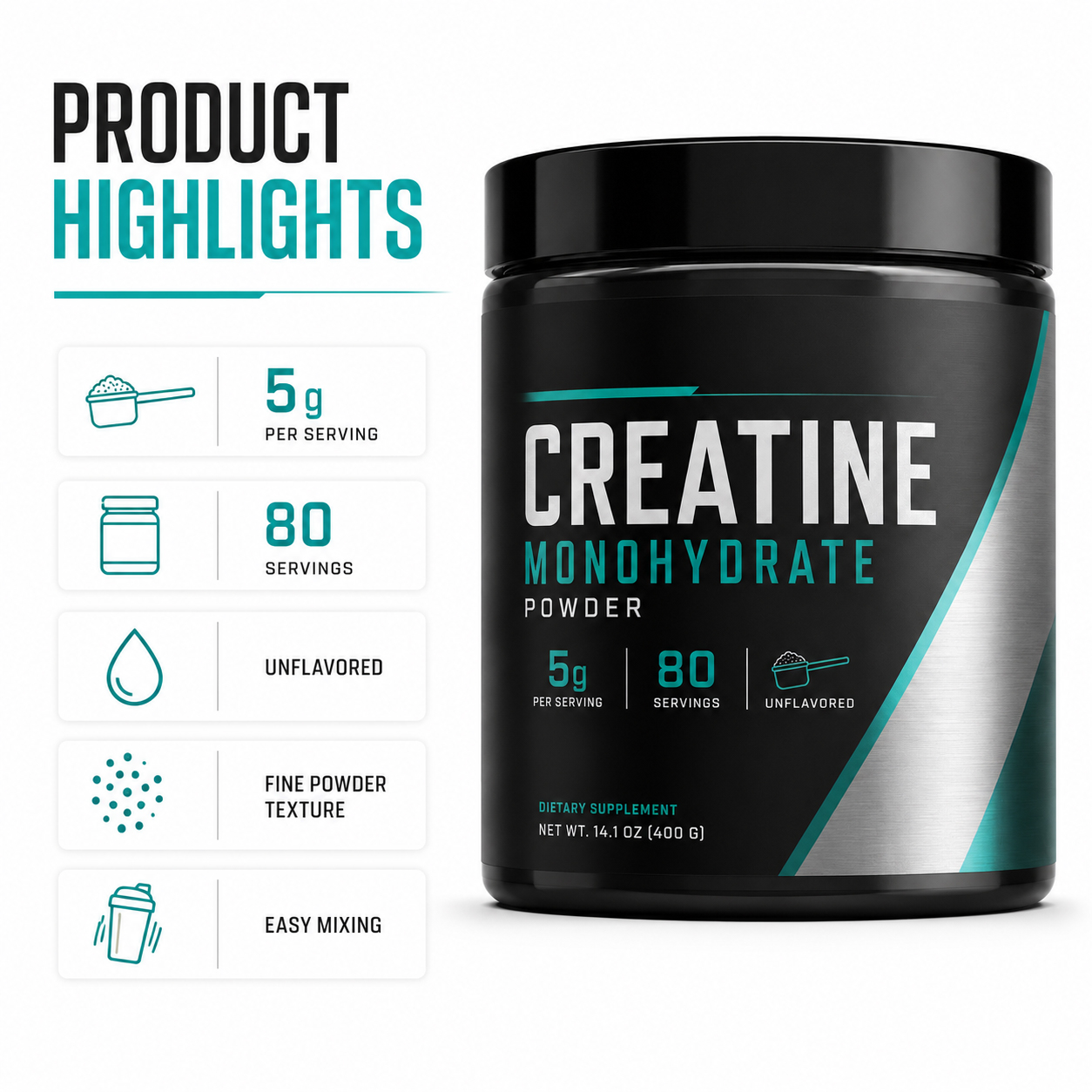
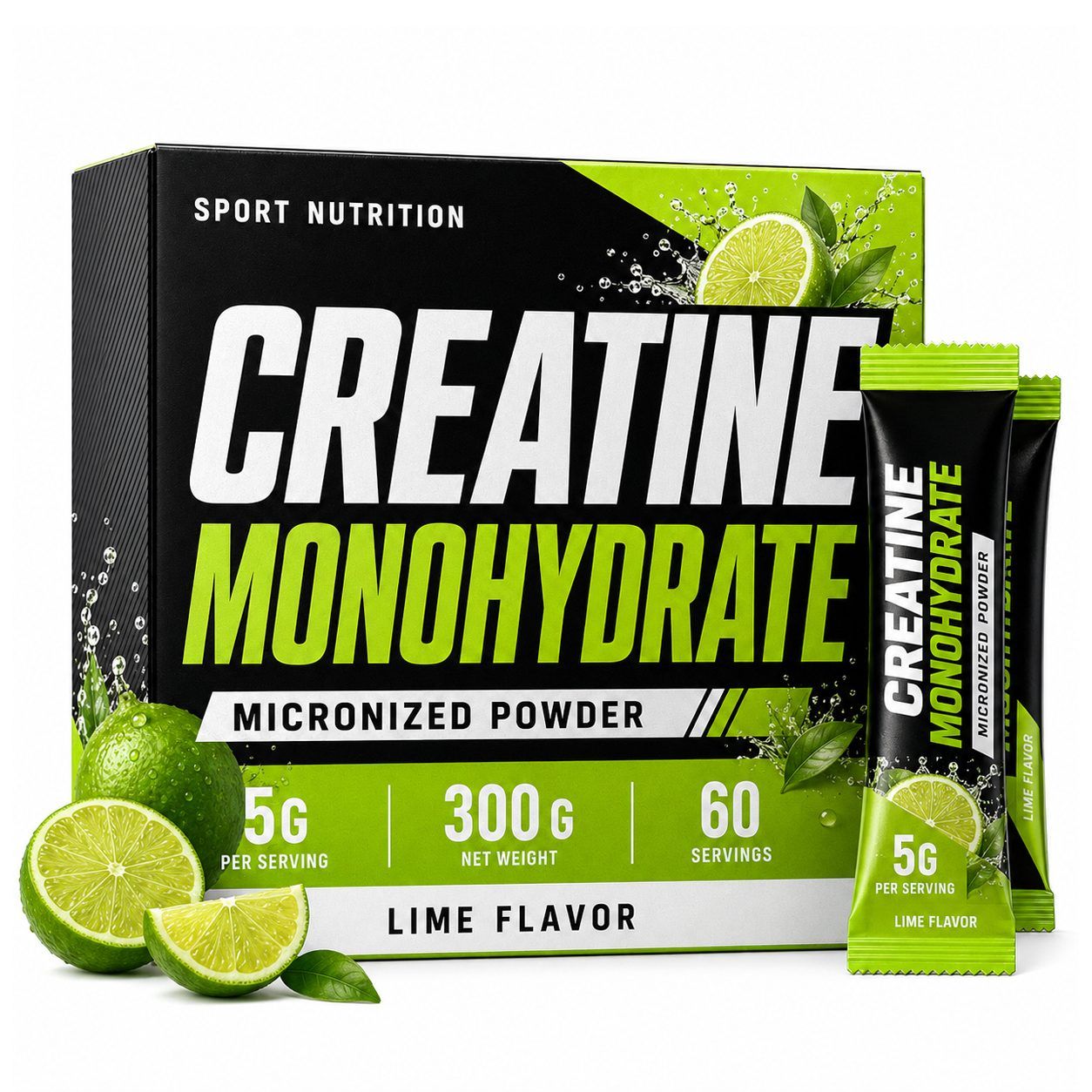
Around the tub, the creatine monohydrate powder delivers 5 g per scoop across 80 servings in a 400 g container, the creatine gummies carry 1,000 mg per serving for shoppers who will not mix a shaker, and the HMB capsules supply 3,000 mg per three-capsule serving for recovery positioning. The L-glutamine capsules at 500 mg each round out the amino acid line.
If the format is still open, start from powders for tub and sachet concepts and gummies for low-dose convenience formats. Our powder specification guide covers mesh size, instantising and anti-caking in depth.
Private label protein powder rewards brands that treat the specification as the product. The grade, the flavour system and the container are decided months before the marketing photography, and they are the reasons one tub repurchases while an identical-looking one collects returns. Bring us the claim, the market and the price point, and the rest of the arithmetic follows.
Planning private label protein powder?
Send the protein claim per serving, the preferred base, the container and the markets you are selling into. We will confirm which grade and format fit the dose, what the label can say in each market, and what the first batch will cost, with quotations returned within 24 hours.
Protein powder essentials for brand owners
- Sports nutrition took 17.9 percent of units in a public ranking of United States supplement listings, and protein tubs are the anchor of that group.
- Quote by dollars per kilogram of actual protein: 12 dollars per kilogram at 80 percent works out cheaper than 17 dollars per kilogram at 90 percent, and the rest of the comparison is flavour and claim headroom.
- The label number is a nitrogen assay times a conversion factor, so pair it with an amino acid profile to rule out spiking.
- Bulk density from about 0.35 to 0.6 g per millilitre sets the container volume, so measure the blend before quoting the tub.
- Clear protein is an isolate processed around pH 3.5 with tight heat control, and a clear powder is the sensible first clear SKU for a tub brand.
- Powders start at about 1,000 units MOQ with samples in 7-10 days and production in 15-20 working days.
Sources
- US Food and Drug Administration - Dietary Supplements
- eCFR - 21 CFR 101.54, Nutrient content claims for good source, high and more
- European Commission - EU Register of authorised nutrition and health claims
- FAO - Dietary protein quality evaluation in human nutrition (DIAAS)
- PubMed - peer-reviewed literature on protein quality evaluation
Key takeaways
- Sports nutrition took 17.9 percent of units in a public ranking of United States supplement listings, and protein tubs are the anchor of that group.
- Quote by dollars per kilogram of actual protein: 12 dollars per kilogram at 80 percent works out cheaper than 17 dollars per kilogram at 90 percent, and the rest of the comparison is flavour and claim headroom.
- The label number is a nitrogen assay times a conversion factor, so pair it with an amino acid profile to rule out spiking.
- Bulk density from about 0.35 to 0.6 g per millilitre sets the container volume, so measure the blend before quoting the tub.
- Clear protein is an isolate processed around pH 3.5 with tight heat control, and a clear powder is the sensible first clear SKU for a tub brand.
- Powders start at about 1,000 units MOQ with samples in 7-10 days and production in 15-20 working days.
Frequently asked questions
Can you manufacture a private label protein powder with my own formula?
Yes. Send the protein claim per serving, the preferred base, the flavour direction and the target markets, and we will confirm which grade fits the dose and the claim, flag any ingredient that needs extra documentation, and quote stock and custom options. A custom formula starts from a brief, so the first output is a formula proposal with a serving-size and container recommendation, usually within 48 hours.
What is the minimum order quantity for a custom protein powder?
Tub-based powders typically start at 1,000 units, which covers a 20 to 30 serving container with a custom label. Stick packs start higher once the sachet line is tooled, because the filling line and carton add set-up cost. Samples take 7-10 days after formula confirmation and bulk production runs around 15-20 working days, depending on the container.
How do you make sure the protein content on the label is real?
The release specification pairs a nitrogen assay, Kjeldahl or Dumas, with a stated conversion factor and an amino acid profile by HPLC. Comparing the summed amino acids against the nitrogen result catches amino spiking, where cheap non-protein nitrogen inflates the number. Heavy metals and water activity are tested per lot as well, and the conversion factor is printed on the certificate so two laboratories can be reconciled.
Can you make clear protein powder or acidic whey drinks?
Yes, with constraints worth knowing before the brief. Clear formats are built on whey protein isolate processed around pH 3.5, where the protein stays dispersed and the drink reads like juice. Heat control is critical, because careless pasteurisation at that pH creates a permanent haze, and the flavour system has to be built for acid. A clear powder SKU carries the same acid logic with far less thermal risk than a ready-to-drink version.
Can you blend whey with plant proteins or collagen?
Yes. Whey and plant bases blend cleanly, and collagen is a common addition at the beauty-protein end of the shelf. The blend changes the quality scoring, because single plant sources sit below whey on PDCAAS and DIAAS, so the claim wording needs checking against the final composition. Plant ingredients also carry a heavier-metal specification, with cadmium, lead and arsenic in rice tested per lot rather than assumed.
How long does the first production run of a protein powder take?
Plan for 7-10 days of sampling after the formula is confirmed, then roughly 15-20 working days of bulk production and filling for a tub or pouch, and longer for stick packs once tooling is involved. Ocean freight adds 18-25 days to North America. The variable that most often extends the timeline is a raw material lot that fails its specification and has to be re-sourced.
Have a project in mind? We'll come back with MOQ, formula options and lead time within 24 hours.
Request a Quote