What retail-ready actually means once a supplement leaves the factory
Retail-ready supplement manufacturing is the set of packaging, identification and paperwork decisions that turn a released production batch into something a retail buyer can receive, scan and pay for without friction. The bottle itself is rarely the problem. The problems start one layer out: a case that has no GTIN, a carton that does not fit the pallet pattern, a barcode that fails the scanner, a delivery that misses its appointment window, or a batch whose remaining shelf life falls under the threshold the buyer's system enforces automatically.
Brand owners usually meet the requirements of retail-ready supplement manufacturing the hard way. The production run is booked, the artwork is final, and then the retailer's vendor pack arrives demanding a case-level identifier, a pallet specification, an EDI connection and a 75 percent shelf-life rule nobody quoted in the quotation stage. Every one of those items is cheap to decide at the factory and expensive to fix at the distribution centre, which is why the retail conversation belongs in the same meeting as the formulation conversation.
The five gates between a finished bottle and a retail shelf
Different channels enforce different versions of the same five gates. A marketplace fulfilment centre, an independent health-food store and a national chain all care about identity, case pack, transport, paperwork and performance - they just price the failure differently. Retail-ready supplement manufacturing means clearing all five gates for the strictest channel you intend to enter, not just the first one.
| Channel | Unit identifier | Case pack expectation | Extra paperwork | Cost of missing the spec |
|---|---|---|---|---|
| Own web store | None beyond the label | Any shipper count | None | A repack fee you pay yourself |
| Marketplace FBA | FNSKU on each unit | Case counts entered in the case-pack field | Invoices for category approval | Inbound refusal or stranded stock |
| Independent retail | GTIN-12 on the unit | Often 6 to 12, display-ready preferred | Wholesale price list, CoA on request | Manual invoicing and slow reorders |
| Chain retail | GTIN-12 plus case GTIN-14 | Fixed count on a 48 x 40 in pallet, ASN required | GFSI certificate, insurance, spec sheet | OTIF deductions and delisting risk |
| Club and mass retail | GTIN plus SSCC pallet label | Large counts, display-ready shippers | Full compliance pack and audit | Chargebacks of 2 to 3 percent of invoice |
GTINs, barcodes and the identifiers a retailer actually scans
Every retail unit needs one globally unique identifier, and the discipline starts with the GS1 company prefix. A supplement brand licenses its own prefix, then assigns one GTIN-12 to every sellable configuration: each count size, each flavour variant and each reformulation gets a new number, and a number that has shipped is never reused. The unit code is only the start. Cases carry their own GTIN-14 printed as an ITF-14, pallets carry an SSCC-18 serial label, and every one of these must exist in the brand's item file before the first purchase order is transmitted.
| Identifier | Where it lives | What it carries | Common failure |
|---|---|---|---|
| GTIN-12 (UPC-A) | Printed on the unit label | Item identity at the till | A number reused from another product |
| GTIN-14 (ITF-14) | Printed on the shipper carton | Case identity for ordering | Barcode hidden under stretch wrap |
| SSCC-18 (GS1-128) | Pallet label | Serialised pallet identity | Label not linked to the ASN |
| Lot code | Crimp, carton or bottle base | Batch traceability | Several lots co-mingled in one shipper |
| Best-by date | Carton and unit | Shelf life at receiving | Date format the buyer's system cannot parse |
Print quality is where well-planned identifiers die. A UPC-A printed at 100 percent magnification with its full quiet zone scans at the first pass; the same code squeezed to 80 percent, or perfect on the carton but unreadable under a glossy shrink wrap, fails the scan and triggers a manual handling charge. The professional habit is to run a barcode verifier on the first printed cartons and require a grade of C or better - many chains audit at B - and to verify the barcode again after the case is wrapped, because the wrap is where contrast goes to die.
Case pack and pallet mathematics decide the landed cost
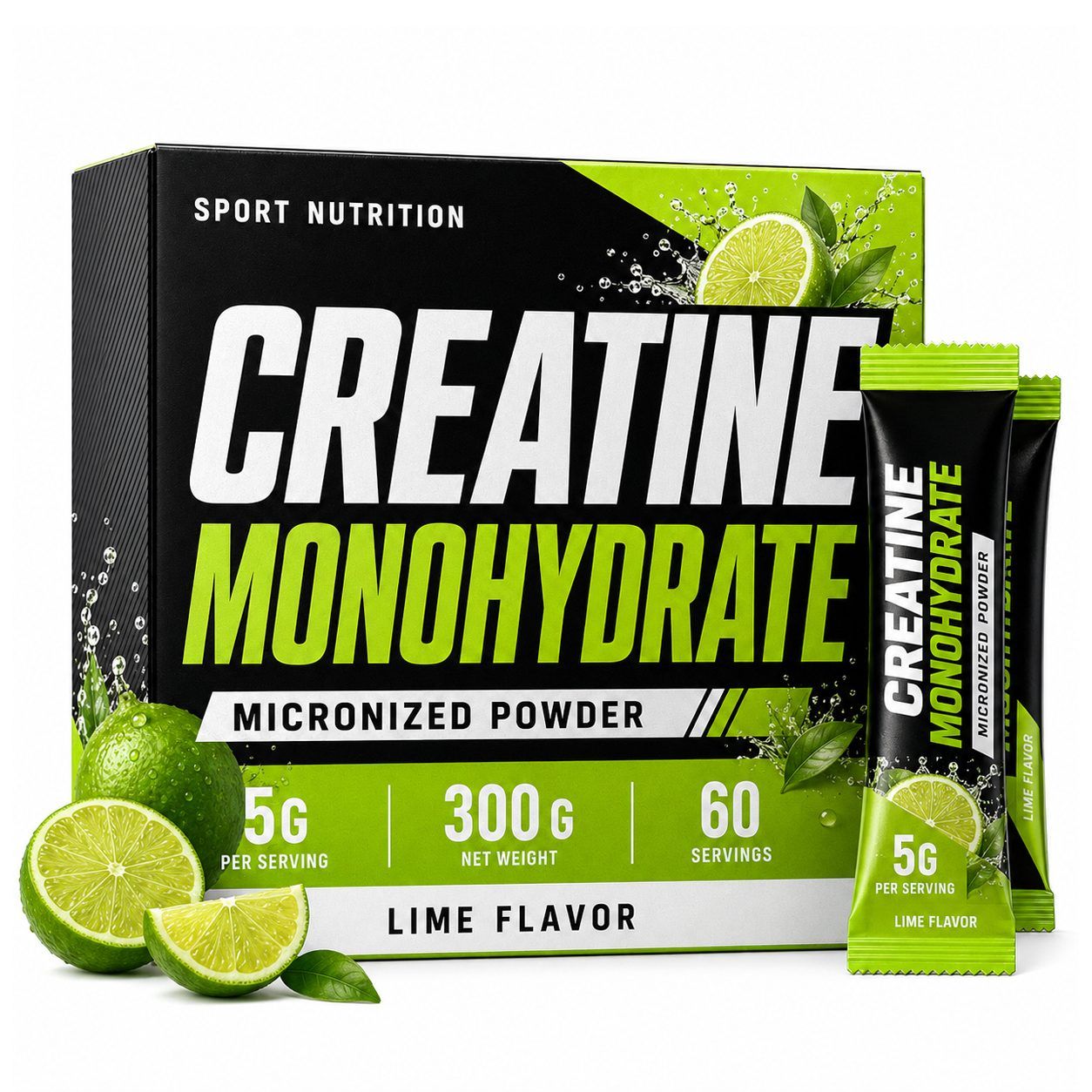
The case pack is a retail decision that gets made on the factory floor. Six units per case suits an independent retail buyer who hand-sells a display; twelve is the default for 60 to 120 count bottles; twenty-four suits chain distribution but produces a case weight and a picking ergonomics problem, because many chains cap a manual case at 40 pounds. The count also decides whether the buyer receives full cases or has to break them, and broken cases at a distribution centre are a favourite source of deductions.
| Case pack | Best for | Trade-off |
|---|---|---|
| 6 units | Boutique and independent shelves | Highest handling cost per bottle |
| 12 units | The default for 60 to 120 count bottles | Balanced weight, cube and breakage |
| 24 units | Chain distribution centres | Heavy case; check the buyer's weight cap |
| Display-ready shipper | Club stores and impulse placement | Print cost and one more artwork version |
Pallet mathematics is unforgiving because it multiplies whatever the carton decided. On a standard 48 by 40 inch pallet, a case that is half an inch too deep drops from four cases per layer to three, and a missing layer cascades into more pallets, more freight and more per-unit cost for the same order. This is the calculation almost no first-time brand runs: the carton dimensions get frozen during artwork, the pallet pattern gets discovered at the first shipment, and the difference is paid in freight forever. Decide the pallet target first, then draw the carton to it.
OTIF, chargebacks and the reorder cycle your calendar must survive
On time in full - OTIF - is the performance metric retail buyers enforce with money. Targets cluster between 90 and 98 percent depending on the retailer, and the measurement is brutal in its simplicity: did the complete purchase order arrive inside the delivery window the buyer assigned. Miss the window or ship short and the retail buyer deducts, commonly 2 to 3 percent of the invoice value, and a pattern of misses is how products get delisted. The two most common causes on a supplement order are both calendar problems: a production plan that treated the buyer's window as optional, and an ASN that was transmitted after the truck instead of before it.
A 2 percent deduction on a 30,000 dollar opening order is 600 dollars - more than the ocean freight on a pallet. One missed appointment window at a distribution centre can cost a re-delivery fee plus a deduction, and neither is recoverable through an apology. The fix costs nothing: lock the delivery window into the production schedule at purchase order confirmation, not after the goods are packed.
The documents ride alongside. A chain buyer's system speaks EDI: the 850 purchase order, the 855 acknowledgement, the 856 advance ship notice and the 810 invoice. Smaller brands start by keying these into the retailer's vendor portal, but the ASN is the one that carries physical consequences, because it links the SSCC on each pallet to the purchase order before the truck leaves. An ASN transmitted late is, from the receiver's point of view, a pallet with no identity.
Then there is the reorder cycle, which is where supplement brands meet retail reality. A factory production run takes about 15 working days and ocean freight to a US port takes 30 to 40 days, while a retail chain buyer reorders on a roughly 30 day cycle. Fifty-plus days of supply chain against a 30 day reorder clock means a brand that launches retail with zero stock in-market will either buy air freight at several times the ocean rate or start its relationship with the buyer in the deduction column. This is exactly why we keep stock and fulfilment on the US side: batches can land in-market before the first PO is written, and the reorder clock stops mattering.
How much shelf life must be left when goods arrive
Most retail buyers enforce a remaining shelf-life rule at receiving, and the common floor is 75 to 80 percent of total shelf life, with some buyers asking for two-thirds. The rule bites harder than it looks. A supplement with a 24-month best-by window must therefore be received with at least 18 to 19 months still on the clock, which means the production date to distribution-centre date - including 30 to 40 days of ocean freight and a week or two of receiving - cannot consume more than about five months of that window. Plan the calendar backwards from the retail launch date, not forwards from the production slot.
The full testing calendar behind that 24-month claim - accelerated studies, water activity, the formats that fail first - is set out in our shelf life and stability testing guide, and the production stages that consume the window are broken down in our guide to MOQ and lead times. Both are worth reading before you promise a buyer a launch date, because the shelf-life rule quietly deletes almost two months of flexible scheduling from a standard timeline.
The document pack a retail buyer asks for before the purchase order
Before a chain buyer transmits anything, the vendor pack asks for proof that the product and the factory are what the sales sheet says. Retail-ready supplement manufacturing includes having this pack assembled before the first buyer meeting, because a missing certificate stretches onboarding from weeks into a season. The ten items below cover what retail buyers request most often.
- A GS1 company prefix licence and a GTIN log that maps every unit and case number to its SKU.
- A written specification sheet per SKU: dose per serving, count, excipients, allergen statement and shelf life.
- A certificate of analysis for the actual production lot, not a template.
- A GFSI-level factory certificate such as BRCGS or FSSC 22000, which we hold alongside ISO 22000, HACCP, cGMP, FDA registration and HALAL.
- Product liability insurance with the buyer named as additional insured; two million dollars per occurrence is the usual floor.
- An FDA facility registration number for the manufacturing site and, for EU entry, the responsible-person details.
- Barcode verification reports for the unit and the case label.
- A retail pallet specification: pattern, maximum height, maximum weight, corner boards and wrap.
- A recall procedure with a demonstrated traceability drill - one step back to the raw material lot, one step forward to the shipper - executed in hours, not days.
- Label artwork with the structure-function disclaimer and the market-correct claims, approved before printing.
What the factory side of retail readiness controls
Half of the retail pack is produced at the factory, which is why it belongs in the packaging conversation from day one. Our packaging guide covers bottles, pouches, sticks and label printing, and our label artwork guide covers the panel, the barcode magnification and the proof cycle that produce a print-ready file. Case counts, carton dimensions and retail pallet patterns are quoted alongside the unit price, so retail-ready supplement manufacturing gets priced with the freight consequence visible before the purchase order rather than after.

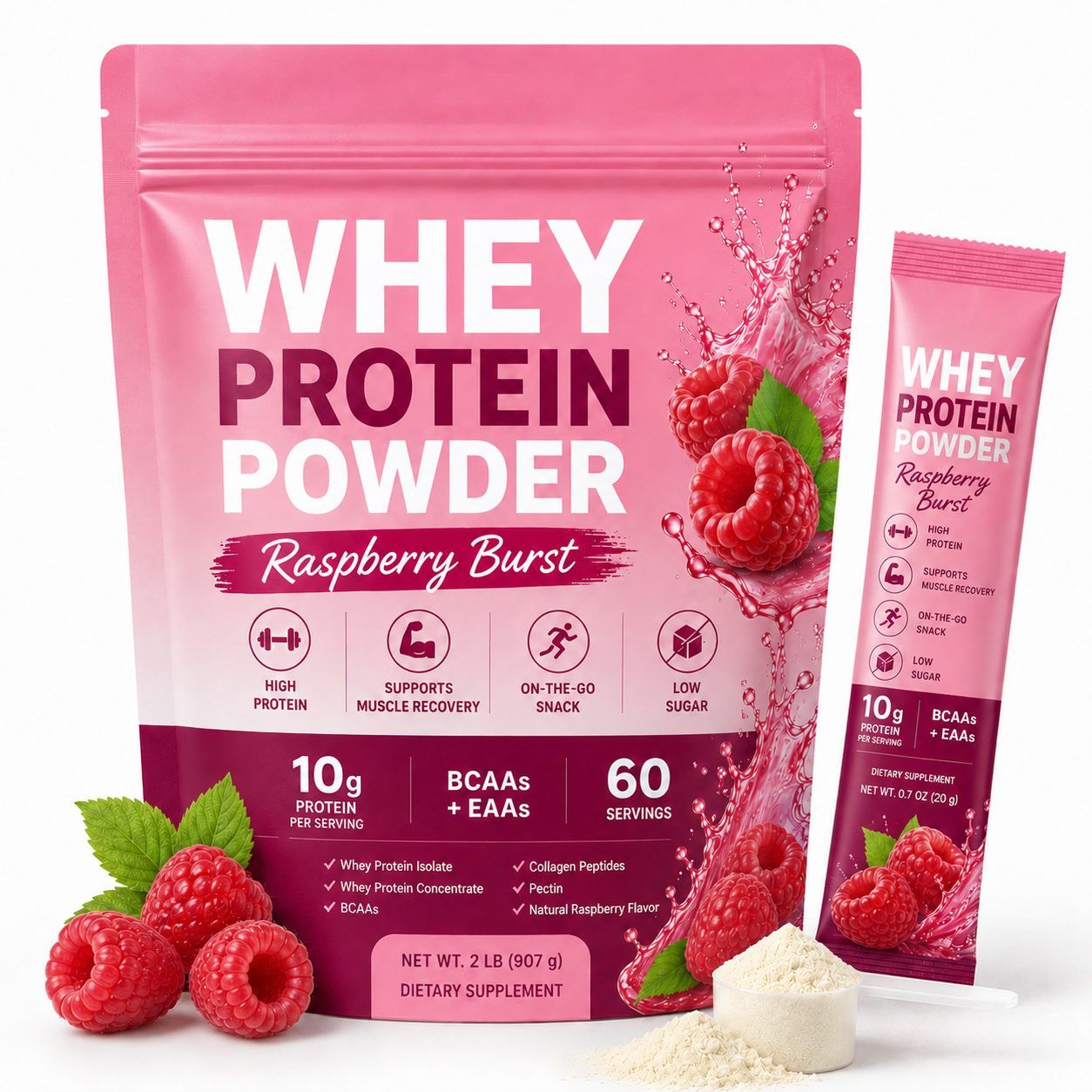
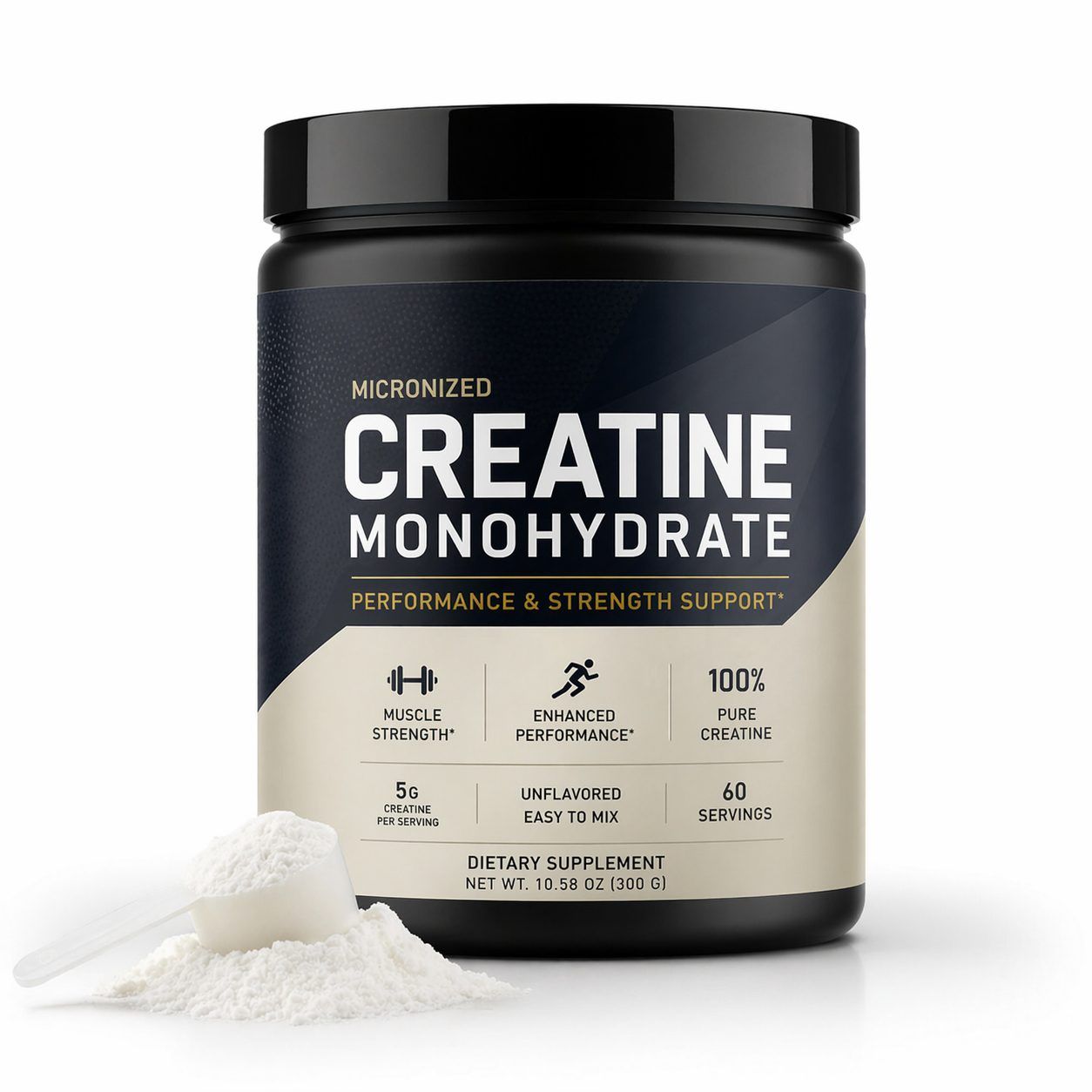
The formats themselves carry retail perfectly well. A 90-count magnesium L-threonate capsule bottle, a 180 g collagen powder pouch and a 60-count children's multivitamin tablet bottle all ship in the same class of case and pallet logic; what changes between them is carton dimensions and count, not the compliance pack.
Marketplace and retail also share more than brands expect. The unit economics, the document pack and the count-ladder logic are set out in our Amazon FBA manufacturing guide, and the cost lines a retail quotation adds - case labelling, pallet materials, display-ready print versions - are the same ones itemised in our unit cost breakdown. Read those two together with this guide and the retail vendor pack stops being a surprise.
Selling into retail and need a factory that packs to spec?
Send the buyer's vendor pack, your target case count and your launch date. We will quote the case, the pallet and the calendar together - with stock fulfilable in-market through our US warehouse.
Key takeaways
- Retail-ready supplement manufacturing clears five gates: unit and case identifiers, a case pack the buyer agrees to, a pallet pattern that fits the footprint, an EDI-linked delivery, and shelf life above the receiving floor.
- One GTIN-12 per sellable configuration, a GTIN-14 per case and an SSCC-18 per pallet - all assigned before the first purchase order and never reused.
- Verify barcodes on the printed carton and again after wrapping; a grade below C is the most common scanner failure on supplement packaging.
- The carton decides the pallet: half an inch of case depth can drop a layer, and the freight difference is paid on every order for the life of the SKU.
- OTIF targets of 90 to 98 percent are enforced with 2 to 3 percent deductions; a 15-day production run against 30 to 40 days of ocean freight requires stock in-market to survive a 30-day retail reorder cycle.
- Buyers commonly require 75 to 80 percent of shelf life remaining at receiving, which caps production-to-delivery at roughly five months on a 24-month product.
Frequently asked questions
Can one production order serve both my web store and retail cases?
Yes, and it is the normal arrangement. The unit, the label and the batch are identical; what changes is the outer packaging. Retail cases need a GTIN-14, a fixed case count and a pallet pattern, while e-commerce cases can use any shipper count. Agree both pack specs at quotation, produce the case versions in one run where volumes allow, and store the retail cases until the buyer's window opens.
Do I need a different barcode for every count size and flavour?
Yes. Every sellable configuration is a distinct item with its own GTIN-12: 60-count and 120-count versions of the same formula are different numbers, and so are two flavours of the same count. Cases get a GTIN-14 each, derived from the unit number plus an indicator digit. Reusing a number across configurations is the fastest way to fail a buyer's item-file setup and trigger chargebacks.
What OTIF target should a new supplement brand expect?
Targets cluster between 90 and 98 percent depending on the retailer, and new vendors are usually held to the same standard from the first order. The metric is measured per purchase order: complete quantity, inside the assigned delivery window, ASN transmitted before the truck. The practical defence for a first-time vendor is calendar discipline - book the delivery window when the purchase order is confirmed and keep a stock buffer in-market rather than shipping each order from a fresh production run.
How is retail packaging different from Amazon FBA packaging?
The unit can be identical, but FBA asks for an FNSKU on each unit and case counts keyed into the inbound plan, while retail asks for a GS1 identifier set, a fixed case pack, a pallet specification and an EDI-linked advance ship notice. Retail also enforces the shelf-life floor at receiving and charges OTIF deductions, which marketplaces mostly replace with inbound-refusal and stranded-inventory penalties. A pack built for retail normally satisfies FBA; the reverse is not true.
What shelf-life rule do retail buyers apply at receiving?
The common floor is 75 to 80 percent of total shelf life remaining, with some buyers accepting two-thirds. On a 24-month supplement that means roughly 18 to 19 months must be left when goods are received, so production date to delivery should not exceed about five months once ocean freight and receiving time are counted. Confirm the exact rule in the vendor pack, because it varies by chain and category.
Can the factory print the case labels and pallet labels?
Yes. Case labels with the GTIN-14, lot code and best-by date, and pallet labels with the SSCC, are produced as part of the packing specification. The factory needs the assigned numbers from your GS1 prefix, the pallet pattern from the buyer's vendor pack and the delivery-window calendar from the purchase order. All three should be fixed before production starts, because label files are versioned artwork just like the unit label.
Have a project in mind? We'll come back with MOQ, formula options and lead time within 24 hours.
Request a Quote