What a unit price is actually made of
Supplement manufacturing cost is a stack of six buckets that move in opposite directions as volume, packaging and format change. Ask three factories to price the same formula and you will often get three numbers within twenty percent of each other that are, underneath, three different products: one quote includes freight, one amortizes a custom mold, one assumes a stock bottle you have not approved. The unit price you compare is only as honest as the assumptions behind it. This guide takes a quote apart bucket by bucket, shows where the money actually goes, and flags the multipliers that most first-time buyers discover only after the deposit.
| Cost bucket | Typical share | What moves it most |
|---|---|---|
| Raw materials and actives | 30-45% | Active form, dose per serving, branded versus commodity grade |
| Packaging and label | 15-25% | Container type, print colors, custom versus stock components |
| Conversion: blending, filling, encapsulation, pack-out | 10-20% | Line hours, changeovers, count per container |
| Testing and release | 3-8% | Panel scope, third-party labs, stability pulls |
| Freight and duty | 5-15% | Incoterm, cargo cube, destination market |
| Setup and tooling amortization | Near zero at scale, up to 10% at pilot volume | Custom molds, dies, first-batch changeover |
The ratios matter more than the exact numbers, because each cost bucket has a different sensitivity to volume. Raw material pricing barely moves between 1,000 and 10,000 units; packaging components drop sharply once you cross a print minimum; setup cost collapses after the first changeover. That is why two quotes for the same formula can both be correct and still differ by thirty percent at the volumes you actually intend to order. A supplement manufacturing cost comparison is only meaningful when the volume, the incoterm and the packaging specification are identical across the quotes.
Why the same formula gets three different cost quotes
The three assumptions that quietly rewrite a quote are volume, packaging specification and incoterm. Volume decides how fixed costs spread across the run. Packaging specification decides whether you are buying a stock bottle for cents or a custom mold amortized over your first order. Incoterm decides whether freight, duty and delivery sit inside the unit price or arrive later as separate invoices from a freight forwarder and a customs broker.
Fixed costs are the part buyers underestimate. Line changeover, first-article approval, label print setup and pilot batch handling cost roughly the same whether you order 500 units or 50,000. The table below shows what that means per unit, using an illustrative changeover cost of $800 per SKU and a 5,000-label print run at $600.
| Order volume | Changeover per unit | Label per unit | Combined fixed cost per unit |
|---|---|---|---|
| 500 units | $1.60 | $1.20 | $2.80 |
| 1,000 units | $0.80 | $0.60 | $1.40 |
| 3,000 units | $0.27 | $0.20 | $0.47 |
| 10,000 units | $0.08 | $0.06 | $0.14 |
| 30,000 units | $0.03 | $0.02 | $0.05 |
Here is the detail that only shows up once you have priced a pilot batch: at 500 units, the label print minimum alone adds more to the per-unit price than many single-ingredient actives do. A commodity active at two dollars per kilogram contributes roughly six cents to a ninety-count bottle of 500-milligram capsules. The label run, on that same bottle, contributes one dollar twenty of cost. Buyers who negotiate hard on the active cost and ignore the label minimum are optimizing the smaller number.
The volume-versus-MOQ trade-off is covered in detail in our MOQ and lead times guide, and the dosage form selection guide explains why some formats cannot drop below certain batch sizes without losing the line money.
Where quotes really diverge: the raw material cost line
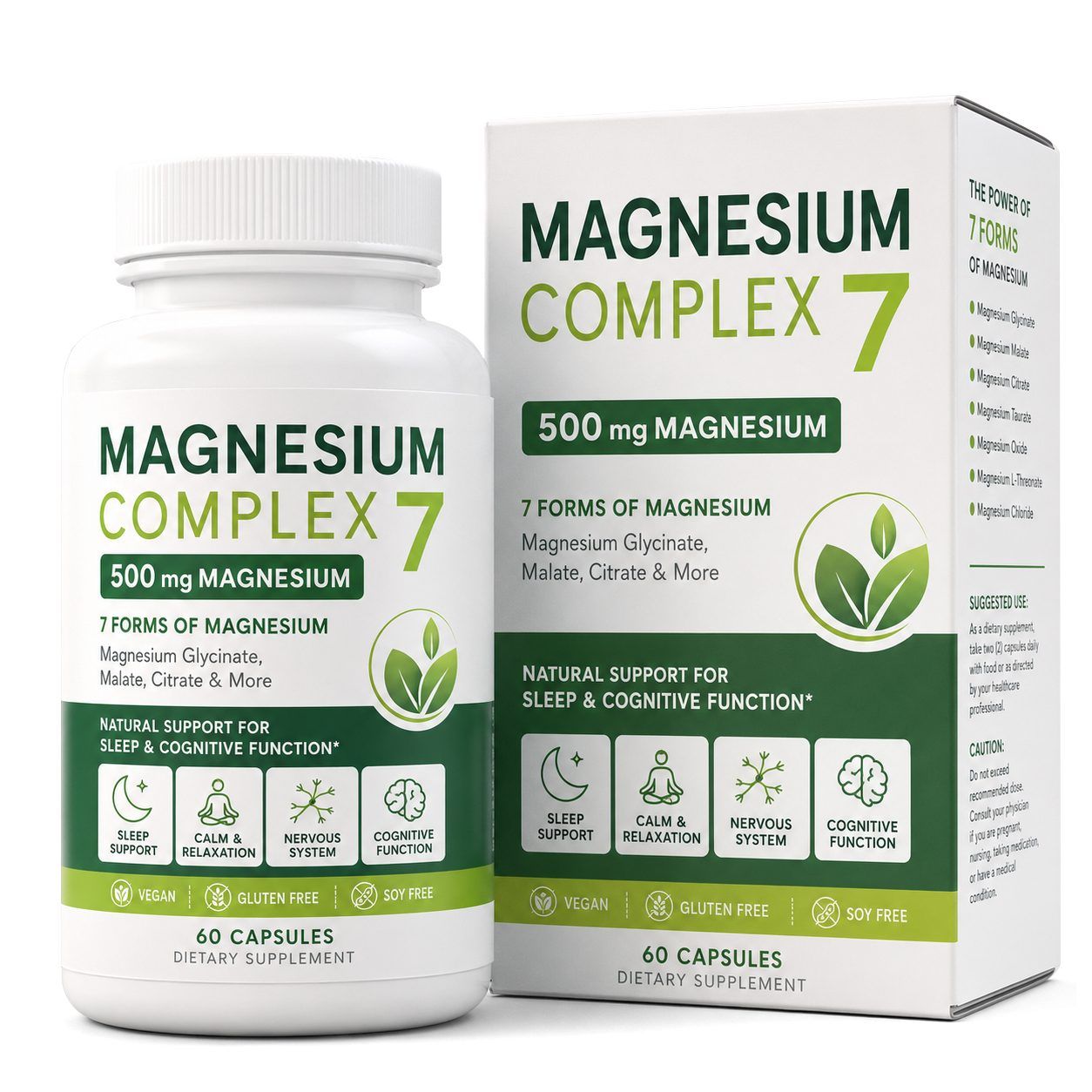
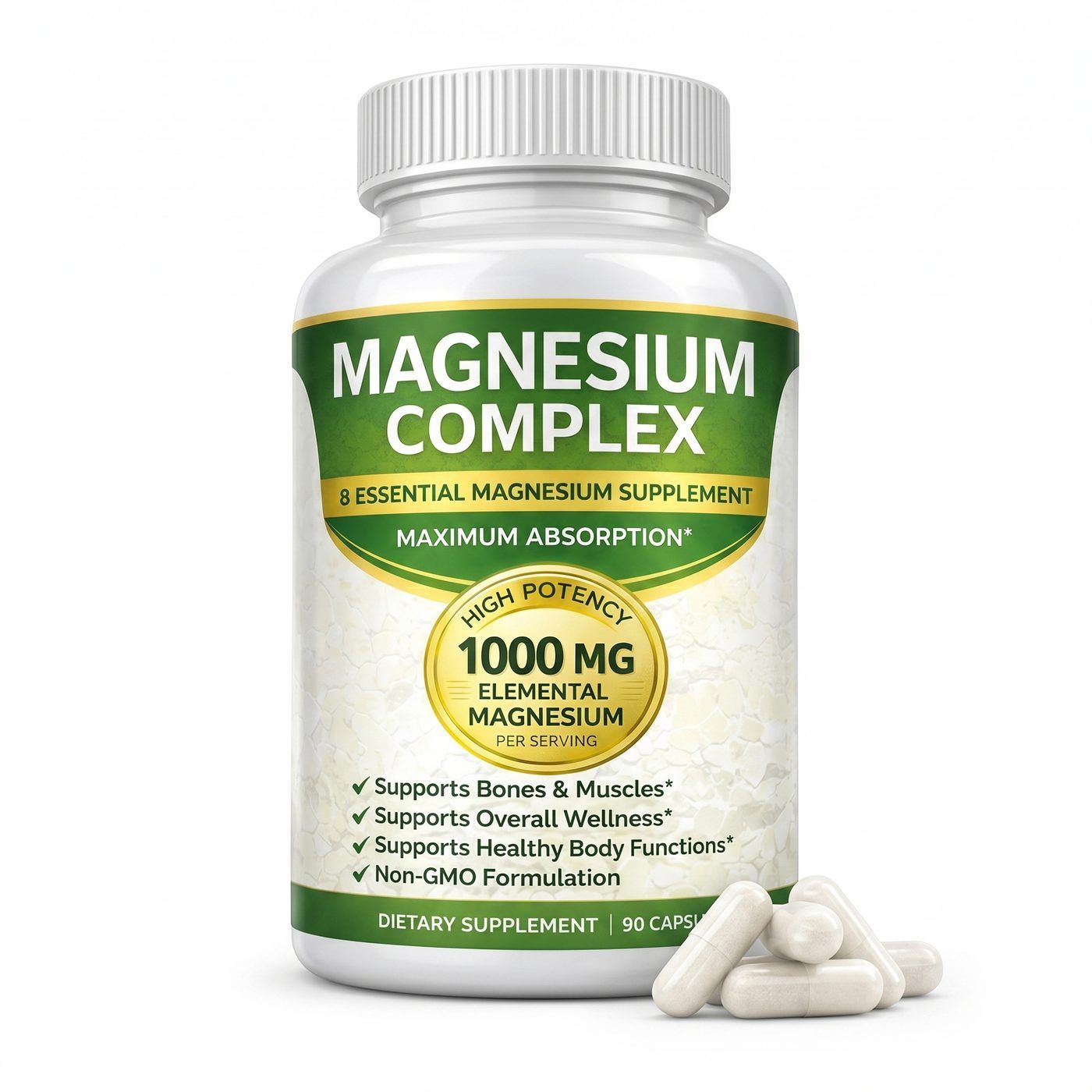
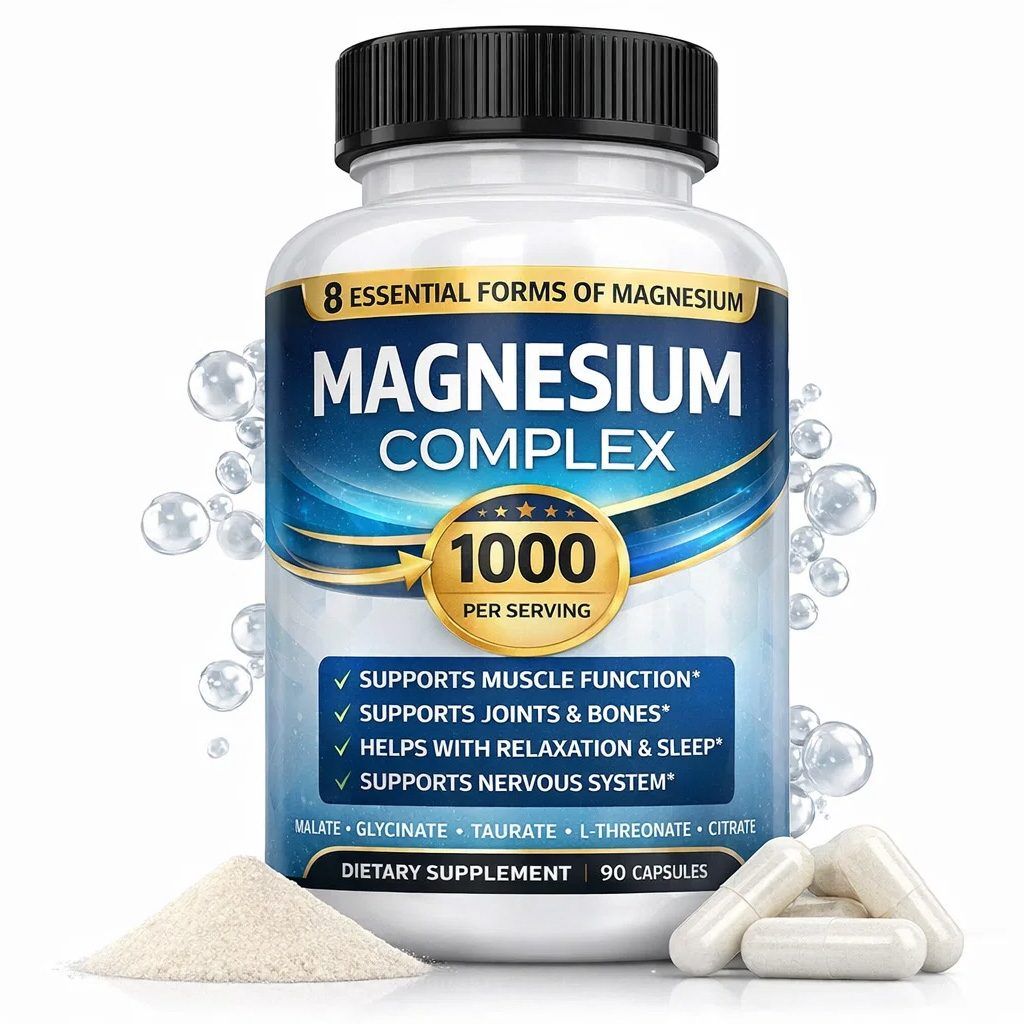
Raw material is the largest bucket, but the variance inside it is not what most buyers expect. The same label claim can be built from raw materials whose prices differ by a factor of three, depending on the salt and the grade. Magnesium is the textbook case: an oxide delivers roughly sixty percent elemental magnesium while a citrate delivers about sixteen percent, so hitting the same elemental claim costs far less with the oxide before you even compare extract potency on botanicals. Any quote that does not name the exact salt and its elemental yield is not a price you can compare.
Branded versus commodity grade is the second divergence, and it is worth separating evidence from marketing. A trademarked extract can carry a two to three times premium over a commodity grade of the same active. That premium is justified when the label references the trademark, when the branded material carries clinical work at your exact dose, or when its supply chain guarantees a standardization the commodity market does not. Outside those cases, a commodity active with a full identity and potency certificate performs the same chemistry at a lower cost, and a transparent manufacturer will say so rather than upsell the brand.
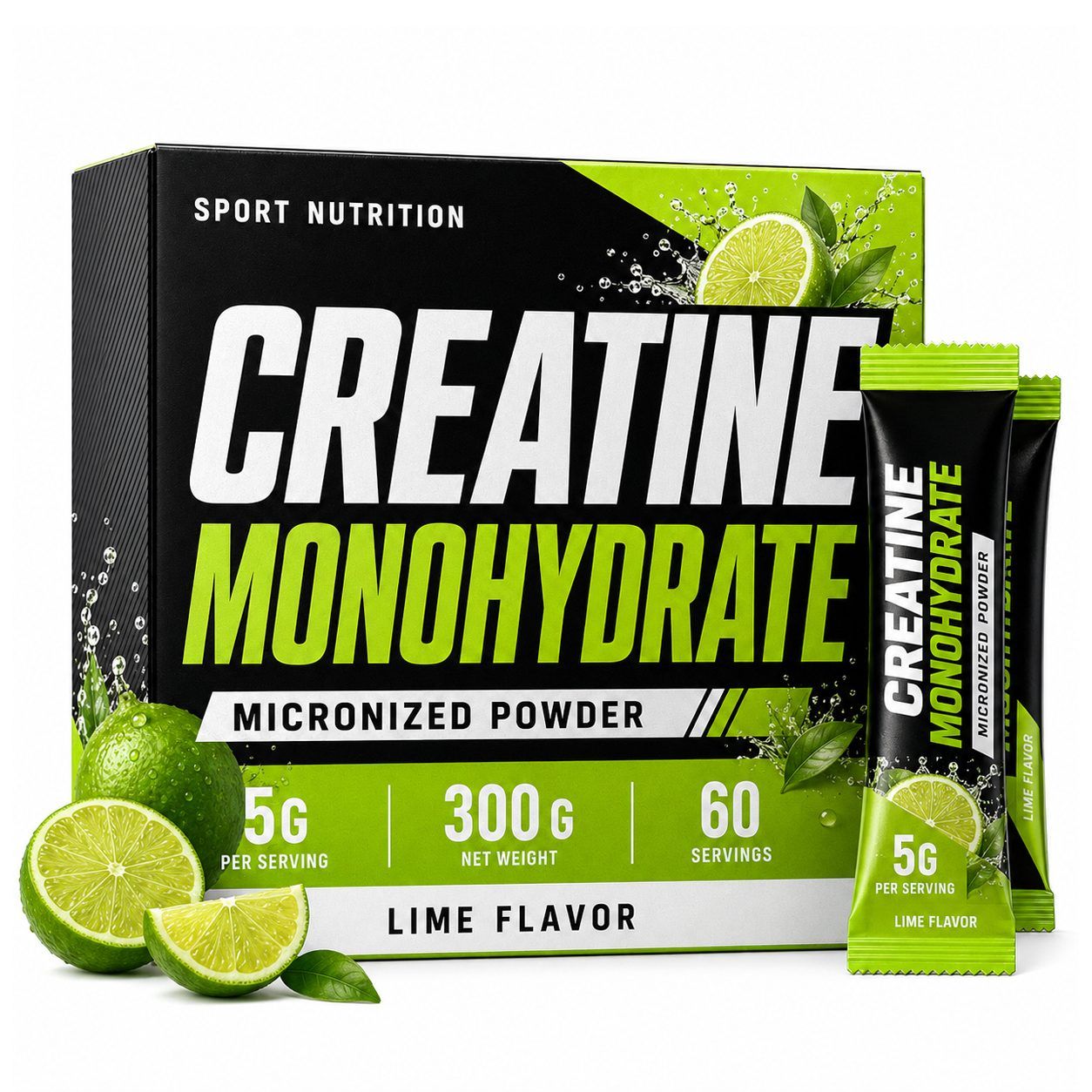
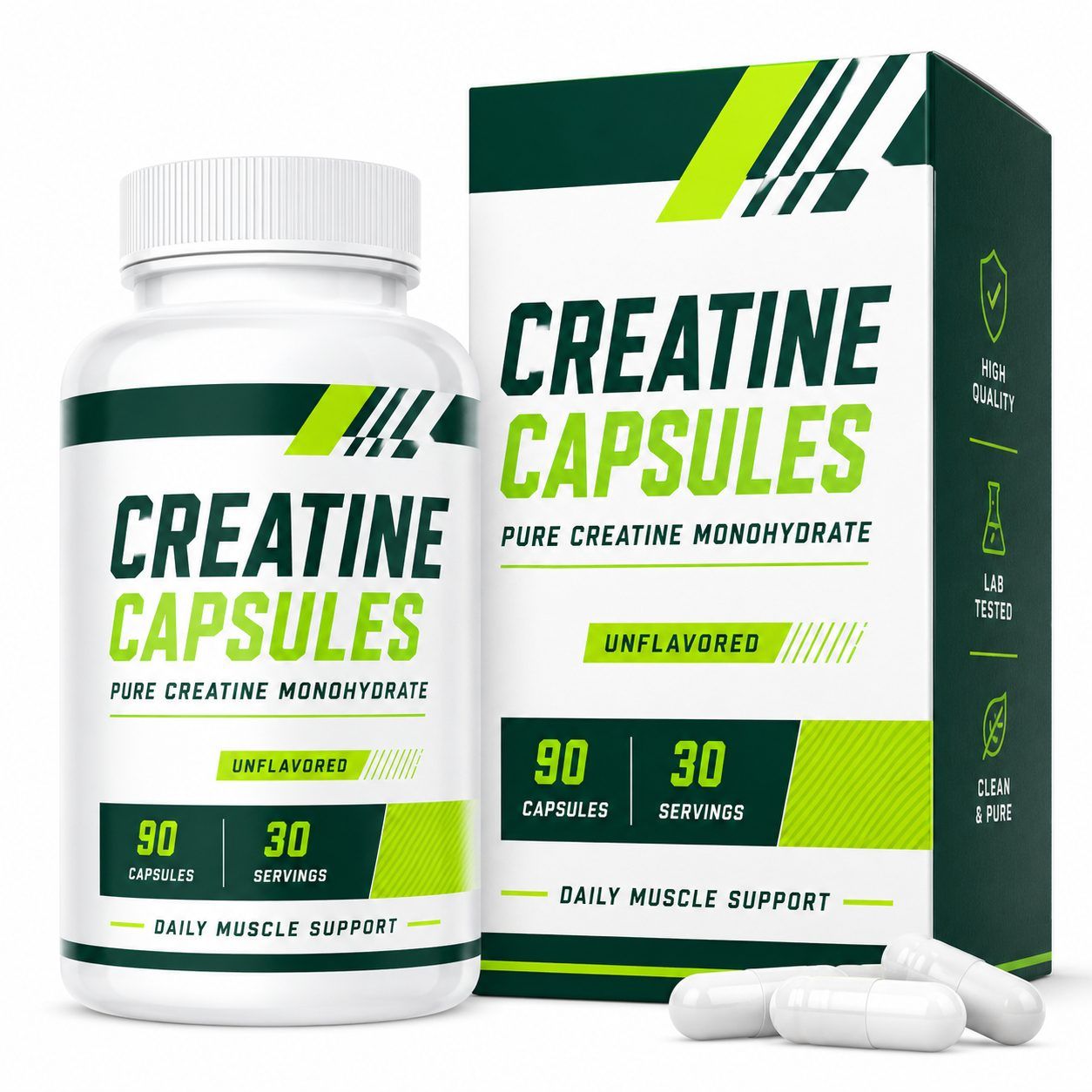
The arithmetic of elemental yield per dose is walked through in the magnesium forms guide, and real capsule economics are visible on our HMB capsules and creatine monohydrate powder product pages, where the dose per serving and the count per bottle are published.
Format changes the whole stack, not just the line rate
Comparing a gummy quote against a capsule quote by price per unit is meaningless, because each format carries a different amount of matrix, packaging and loss. A gummy is mostly gelatin or pectin, two to three grams of it per piece, which makes the inactive base the largest raw material cost line. A softgel carries a gelatin shell that can be a third of the finished capsule weight, plus oxidation control for oil-based fills. A powder tub is cheap per gram but bulky; a liquid is the heaviest and needs a preservative system, a dropper and leak-proof freight packing.
| Format | Relative cost index | What drives it | Comfortable volume |
|---|---|---|---|
| Capsules | 100 | Two-piece shell, standard bottling, wide stock component choice | 1,000+ units |
| Tablets | 90-95 | Highest throughput per line hour, cheap blister or bottle pack-out | 3,000+ units |
| Softgels | 105-115 | Shell mass, oil fill control, oxidation-proof packaging | 3,000+ units |
| Powder tub | 100-110 | Low raw material cost per serving offset by tub, scoop and cube | 1,000+ units |
| Stick packs | 110-120 | Film minimums, filling speed, carton or pouch second layer | 5,000+ units |
| Gummies | 115-130 | Large inactive matrix, jar and seal, moisture control | 3,000+ units |
| Liquid drops | 115-130 | Bottle, dropper, preservative system, heaviest freight per serving | 1,000+ units |
Use the index as a directional tool, not a quote. Within one format the biggest lever is the dose itself: halving the active load per serving can halve the raw material bucket, which is why the format decision should happen before the formula is priced. In our experience the format choice moves the total supplement manufacturing cost more than any single ingredient negotiation.
The costs that arrive after the quote
Ocean freight is priced by cube before weight. A powder blend with a bulk density of 0.4 grams per milliliter needs roughly twice the container volume of the same net weight at 0.8, and a low-density blend in an oversized tub can shrink a pallet layer from thirty cartons to eighteen. Freight, duty and fulfillment typically add 8 to 20 percent to the ex-works price on an ocean shipment to North America, and the exact cost share depends on the incoterm you signed, not on the factory.
The last layer is the destination market itself. Import duty on finished supplements varies by classification and destination, and your customs broker confirms the code, not the manufacturer. Marketplace sellers should also price the fulfillment cost layer: inbound receiving, storage and pick-and-pack fees are charged per unit and per cubic foot, so a bulky SKU that looked cheap ex-works can lose its margin inside a fulfillment center.
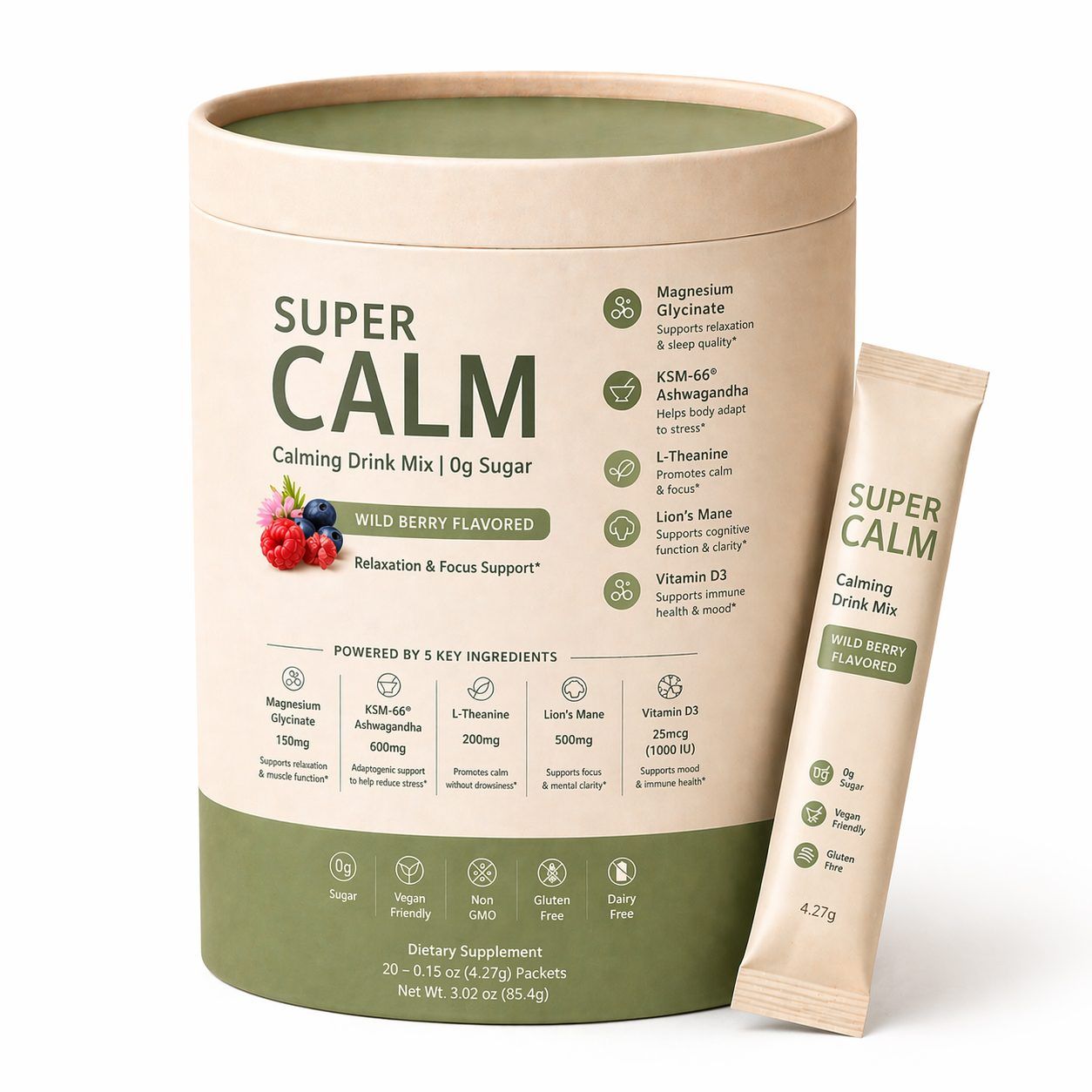
Before choosing the tub or jar, ask for the blend's tapped bulk density in grams per milliliter and run the pallet cost math: cartons per layer, layers per pallet, units per container. On a 400-gram powder SKU, moving from a 1,200-milliliter tub to a 900-milliliter one at the same fill can lift units per container by double-digit percentages, and that saving repeats on every reorder.
Ten ways to lower unit cost without cheapening the formula
- Fix the order volume and the incoterm before asking for a price; a quote built on wrong assumptions is not a discount, it is a delay.
- Cross the label print minimum on the first order; the per-unit fixed cost between 500 and 3,000 units collapses faster than any negotiation can move it.
- Start on a stock bottle or pouch with a custom label, then move to custom tooling once reorder velocity justifies the tooling cost.
- Keep one bottle neck finish and one capsule size across SKUs so components can share print runs and changeover standards.
- Choose the least expensive salt or form that still hits the elemental claim at the approved serving size.
- Pay the branded-active premium only where the label names the trademark or the clinical work matches your dose.
- Drop the folding carton where the primary container carries the full legal panel; the carton is board, print and an extra packing cost.
- Reduce label colors and finishes before reducing panel content; metallic inks and spot colors cost more per thousand than an extra line of text.
- Design the SKU around the pallet: confirm bulk density, carton dimensions and units per layer before locking the container size.
- Plan reorders against the raw material and production calendar so the line does not charge a rush premium; expedited runs have run 18 to 28 percent above standard unit cost.
What a transparent supplement manufacturing cost quote should show
- Each of the six buckets priced separately, or at least the assumptions behind a single unit price.
- The exact raw material form, grade and elemental or standardized potency used in the calculation.
- The packaging specification: stock or custom, the component minimum, and who owns the print tooling.
- The volume the quote is valid at, and how the per-unit cost moves at two volumes above and below it.
- The incoterm, and what freight, duty and insurance add at that term.
- The testing scope: which release panels are included and which third-party panels are extra.
- The sample cost, the sample lead time, and whether the sample fee is credited against the first production order.
- A validity window; raw material prices move, and a quote older than a quarter is a different quote.
Our packaging guide shows how the container decision feeds these lines, and the products range lists published doses and counts you can use to build a like-for-like brief.
Baseline numbers we quote against
Every project is priced individually, but our published baselines are consistent: pilot batches from 500 units and standard runs from 1,000 units, pre-production samples in 7 to 10 days, bulk production in about 15 working days after material release, and a 24-month shelf life supported by stability testing. DDP delivery through our United States warehouse is available for qualifying orders, which moves freight and duty inside the quoted unit price instead of after it. If you want the buckets of your supplement manufacturing cost priced line by line, send the formula, the target format and the volume; the quote comes back with its assumptions attached.
Want your supplement manufacturing cost broken down line by line?
Send the formula or the idea, the target format and your launch volume. We will return a bucketed cost quote with the MOQ, the packaging specification and the incoterm stated, usually within 24 hours.
Unit economics decisions that protect margin
- A unit price is six buckets: raw materials, packaging, conversion, testing, freight and duty, and setup amortization.
- Fixed costs, especially label minimums, dominate the per-unit cost at pilot volumes; volume is the strongest lever you have.
- Raw material quotes must name the salt and the elemental yield, or the prices cannot be compared.
- Format moves the whole stack; compare formats on a 30-day supply basis, not on price per unit.
- Freight is priced by cube, so bulk density and container size decide landed cost as much as the factory price.
- Insist on a quote with stated assumptions; a number without a volume, a specification and an incoterm is not a price.
References
Key takeaways
- A unit price is six buckets: raw materials, packaging, conversion, testing, freight and duty, and setup amortization.
- Fixed costs, especially label minimums, dominate the per-unit cost at pilot volumes; volume is the strongest lever you have.
- Raw material quotes must name the salt and the elemental yield, or the prices cannot be compared.
- Format moves the whole stack; compare formats on a 30-day supply basis, not on price per unit.
- Freight is priced by cube, so bulk density and container size decide landed cost as much as the factory price.
- Insist on a quote with stated assumptions; a number without a volume, a specification and an incoterm is not a price.
Frequently asked questions
How much does it cost to manufacture a dietary supplement per unit?
There is no honest single number, because the same formula can vary by thirty percent or more between quotes once packaging specification, volume and incoterm change. As a structure, expect raw materials to take thirty to forty-five percent of finished cost and packaging fifteen to twenty-five percent, with conversion, testing, freight and fixed-cost amortization making up the rest. Send a formula, a format and a volume, and the quote can be priced line by line with its assumptions attached.
Why is my per-unit price higher on a small first batch?
Changeover, first-article approval, label setup and pilot handling cost roughly the same whether you order 500 or 50,000 units. On an illustrative $800 changeover and a $600 label print, fixed costs add $2.80 per unit at 500 units and $0.47 at 3,000 units. Crossing the label print minimum is usually the fastest per-unit saving available to a new brand.
Can I reduce cost by shipping in bulk and packing locally?
Yes, and we quote both models. Bulk powder ships in 25-kilogram lined drums and capsules in polyethylene-lined cartons, which lowers per-unit packaging and freight cube. The trade-off is local filling labor, packaging component sourcing and a second quality hand-off. The right answer depends on your local packing cost and your duty position on bulk versus finished goods.
What is included in your quoted unit price?
Every quote states the volume, the incoterm, the packaging specification, the raw material forms and the testing scope behind the number. Release panels and third-party testing are listed separately so nothing arrives as a surprise invoice. If you ask for DDP, freight and duty sit inside the unit price; if you ask for FOB, they are yours to arrange with a forwarder and a broker.
Do you charge for samples, and are they credited against the first order?
Pre-production samples take 7 to 10 days after formulation and artwork confirmation. Sample and courier fees are quoted upfront and confirmed in writing before any work starts; whether they are credited against the first production order depends on the project scope, and we state that in the quote rather than leaving it to the conversation.
How do incoterms change my landed cost?
EXW puts every logistics cost on you; FOB moves ocean freight to your forwarder; DDP puts freight, duty and delivery inside our quoted price. The spread between EXW and DDP on a North American ocean shipment is commonly 8 to 20 percent of the ex-works value, so comparing a DDP quote against an EXW quote without adjusting for that layer is the most common quoting mistake we see.
Have a project in mind? We'll come back with MOQ, formula options and lead time within 24 hours.
Request a Quote