Allergens decide your claims before your formula does
Buyers regularly ask what allergen documentation a factory can provide, and the question usually arrives late: after the formula, the flavour and the packaging have already been agreed. That is the wrong order, because the allergen question is not paperwork at the end. It is a set of physical decisions about which materials enter the building, which line runs which product and in which order, and how the equipment is cleaned and verified between them.
An allergen control program is not a certificate on the wall. It is segregation of stored materials, production scheduling, validated cleaning, supplier declarations for every excipient and flavour, and label artwork that matches all of the above. Brand owners who understand this early get the claims they want at a normal price. Brand owners who discover it after artwork approval pay for reformulation, re-validation and a reprint, usually inside the same quarter.
If you have not yet read how a batch earns its release paperwork, quality control and batch release covers the testing layer. This guide covers the layer underneath it, the one that decides what your label is legally allowed to promise.
The allergen lists you are actually designing for
The United States declares nine major food allergens: milk, eggs, fish, crustacean shellfish, tree nuts, peanuts, wheat, soybeans and sesame, with sesame joining the list in January 2023. The European Union declares fourteen, adding celery, mustard, lupin, molluscs and sulphites above ten milligrams per kilogram to the familiar ones. Canada carries its own priority list that includes mustard, and several Gulf markets layer Halal import rules on top of allergen law, which is a different gate entirely.
| Market | Declared scope | What catches brands out |
|---|---|---|
| United States | Nine allergens: milk, eggs, fish, crustacean shellfish, tree nuts, peanuts, wheat, soybeans, sesame | Sesame joined the list in 2023; artwork printed before then often shows it as a plain ingredient |
| European Union | Fourteen allergens, including celery, mustard, lupin, molluscs and sulphites above 10 mg/kg | A US-compliant label is not EU-compliant; the extra five items change the declaration block |
| Canada | Fourteen priority allergens plus gluten sources and added sulphites | Mustard is a declared allergen in Canada and invisible on a US label |
| Gulf and Halal importers | Allergen law plus Halal rules on porcine derivatives and alcohol carriers | A clean allergen panel can still fail a Halal shipment over the carrier in a flavour |
Two labelling frameworks sit beside the allergen lists and are confused with them constantly. Gluten is not one of the nine US allergens; it is governed by its own rule with a threshold below twenty parts per million. Sulphites are declared in the United States only above ten parts per million, which is why a dried fruit blend and a plain vitamin tablet behave differently even when neither contains a Big Nine allergen. Design the declaration block against the full matrix of your target markets, not against whichever list your factory quoted first.
Where allergens actually enter a formula
Here is the uncomfortable part: the active ingredient is rarely the allergen. The allergen almost always walks in through an excipient, a carrier or a shell. Diluents, binders, lubricants, disintegrants, instantizing agents, flavour solvents and capsule shells are where milk, soy, wheat and animal derivatives hide, and they appear on the label as technical names nobody reads at the shelf.
| Format | Hidden carriers | The usual fix and its cost |
|---|---|---|
| Tablets | Lactose monohydrate as the cheapest diluent; pregelatinised starch binders | Microcrystalline cellulose removes the milk derivative but rewires compressibility, so expect a re-validation run |
| Hard capsules | Bovine or porcine gelatin shells | HPMC shells remove the animal-origin question but run at different machine speeds and brittleness |
| Powders and drink mixes | Soy lecithin as the instantizing carrier; milk-derived creamer bases | Sunflower lecithin replaces it, usually at a modest premium and a different dose |
| Softgels and gummies | Gelatin bases; oil carriers processed on shared equipment with nut oils | Declare, or reformulate the carrier before the flavour is locked |
| Flavour systems | Proprietary compounds with undeclared solvents, carriers and bitterness maskers | Demand the full breakdown under NDA; allergen content is not a trade secret |
The tablet row deserves a paragraph of its own, because it is the single most common surprise in a free-from project. Lactose monohydrate has been the default tablet diluent for decades: it flows well, compresses well and costs a few dollars per kilogram, which is why it is everywhere. It is also a milk derivative. Swapping it for microcrystalline cellulose adds pennies to the unit cost, but it changes the hardness and friability profile of the whole formula, so the change is a small reformulation with a validation run attached, not a one-line substitution on the bill of materials.
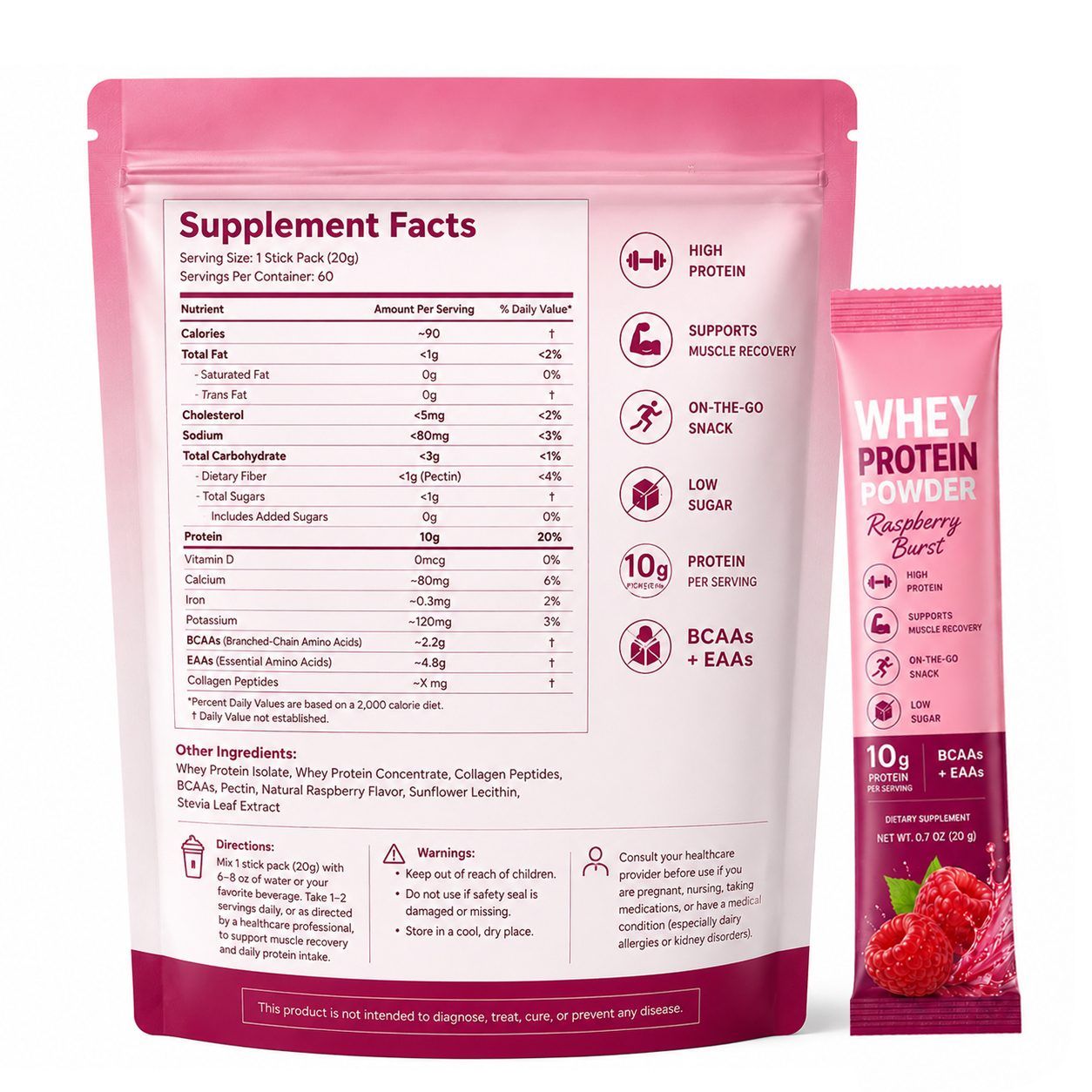
The same logic repeats across formats. The gelatin versus HPMC shell decision is covered in the capsule manufacturing guide, the soy lecithin instantizing question runs through the powder guide, and a real example of a milk-bearing formula is the whey protein program, where the allergen is the product and the declaration is straightforward.
How a shared line is actually kept clean
A dedicated allergen-free line sounds ideal and is almost never economic at supplement order sizes. What real factories run instead is scheduling: allergen-free products first, allergen-bearing products last, and a validated cleaning procedure in between, with flush batches discarded and rework never folded back into an allergen-free lot. The discipline is in the sequence, not in the soap. A factory that cannot tell you its production order rules is telling you something.
Read that chart as a planning tool rather than a quotation: sticky and wet formats cost the most to turn around, which is why an allergen-bearing gummy on the same week as a free-from gummy is a scheduling conversation before it is a testing conversation. Dry cleaning comes before wet cleaning on powder lines, because hosing down a milk powder residue can spread it further than it ever travelled in production. The sequence is the control.
One verification detail separates factories that do this properly from factories that perform it. The common ATP swab measures how much organic material a surface carries, which is a fine proxy for cleaning in general but says nothing specific about allergenic proteins. The tools that answer the actual question are protein-specific lateral flow swabs at line side and laboratory ELISA methods on a periodic schedule, and both have a recovery caveat: swabbing a rough or coated surface recovers less than the protocol assumes, which is why validation runs on the real product residue, not on a clean surrogate. Ask which method the factory uses and where the swabs are taken; the answer is worth more than any certificate.
From control to claim: what you can print
A claim is only as strong as the program behind it, and the wording has to be chosen with the evidence in hand. The table below is the honest map between what marketing wants to say and what operations actually has to do.
| Claim | What supports it | Where brands get burned |
|---|---|---|
| Free from milk or soy (US) | A FALCPA-compliant formula, validated cleaning, supplier declarations and a per-lot testing program | A claim printed from one old certificate with no ongoing program behind it |
| May contain | Nothing regulatory; it is a voluntary precautionary statement | Used as a substitute for controls; EU retail buyers increasingly refuse listings that carry it |
| Gluten-free | Below 20 ppm, demonstrated by ingredient status or by testing | Barley malt extracts and uncertified oats hiding inside a blend |
| Vegan | No animal-derived inputs anywhere, including the shell and nutrient sources | Gelatin softgels, lanolin-derived vitamin D3, shellac glazes and bee products |
| Halal | Certification of the facility and supply chain, not just the formula | Alcohol carriers in flavours and gelatin fail even when the allergen panel is clean |
Treat free-from as a paid program rather than a wording choice. A per-lot line-side swab costs dollars; a laboratory ELISA panel for one allergen commonly lands in the low hundreds of dollars; multiply by the allergens you are claiming against and by every lot, and the program has an annual price a buyer should see before the claim is approved. And keep the hierarchy straight: a may contain statement is a disclaimer, not a control. It cannot rescue a weak program, it hands your listing copy a permanent asterisk, and increasingly it is the statement that costs you the shelf space, not the allergen.
What to ask a factory before you promise the claim
- Ask for the site allergen matrix: which allergens are handled, on which lines, how often, and where they are stored.
- Ask how the production schedule is sequenced between allergen-free and allergen-bearing products, and who enforces it.
- Ask for the cleaning validation protocol, its acceptance criteria, and when it was last revalidated.
- Ask whether verification swabs are protein-specific or ATP only, and on which surfaces the recovery was validated.
- Ask for allergen statements from the supplier of every excipient, coating and flavour, not just the active ingredients.
- Ask what happens to rework and to flush material, and confirm neither can re-enter an allergen-free lot.
- Ask what the per-lot testing program covers, which laboratory runs it, and what each allergen panel costs.
- Ask who reviews the label artwork against the target market's declared list before printing.
- Ask how the allergen matrix is updated when a new flavour, raw material or supplier enters the site.
- Ask who is authorised to sign the allergen statement on the certificate of analysis, and in which language it is issued.
What it costs and what it adds to the timeline
The good news is that allergen control is mostly a scheduling and documentation cost, not a capital one. The line-side verification is cheap; the laboratory panels are the visible line item; the hidden cost is changeover time on sticky formats, which shows up as production planning rather than as an invoice line. None of it changes the commercial basics: our own terms stay at a 1,000 unit minimum order with samples in seven to ten days and around fifteen working days of production. A validated free-from run adds scheduling constraints, not a new price class.
The one place costs do move permanently is the declaration itself. Every additional market you sell into widens the declared list, and every allergen you claim against adds a per-lot test and an artwork rule. That is a reason to choose a two or three claim program deliberately instead of collecting free-from statements because a competitor's listing has them. The sourcing decision matters here too: an ingredient supplier who cannot issue a credible declaration is a supplier problem first, which is why raw material qualification and the allergen program are the same conversation held in two meetings.
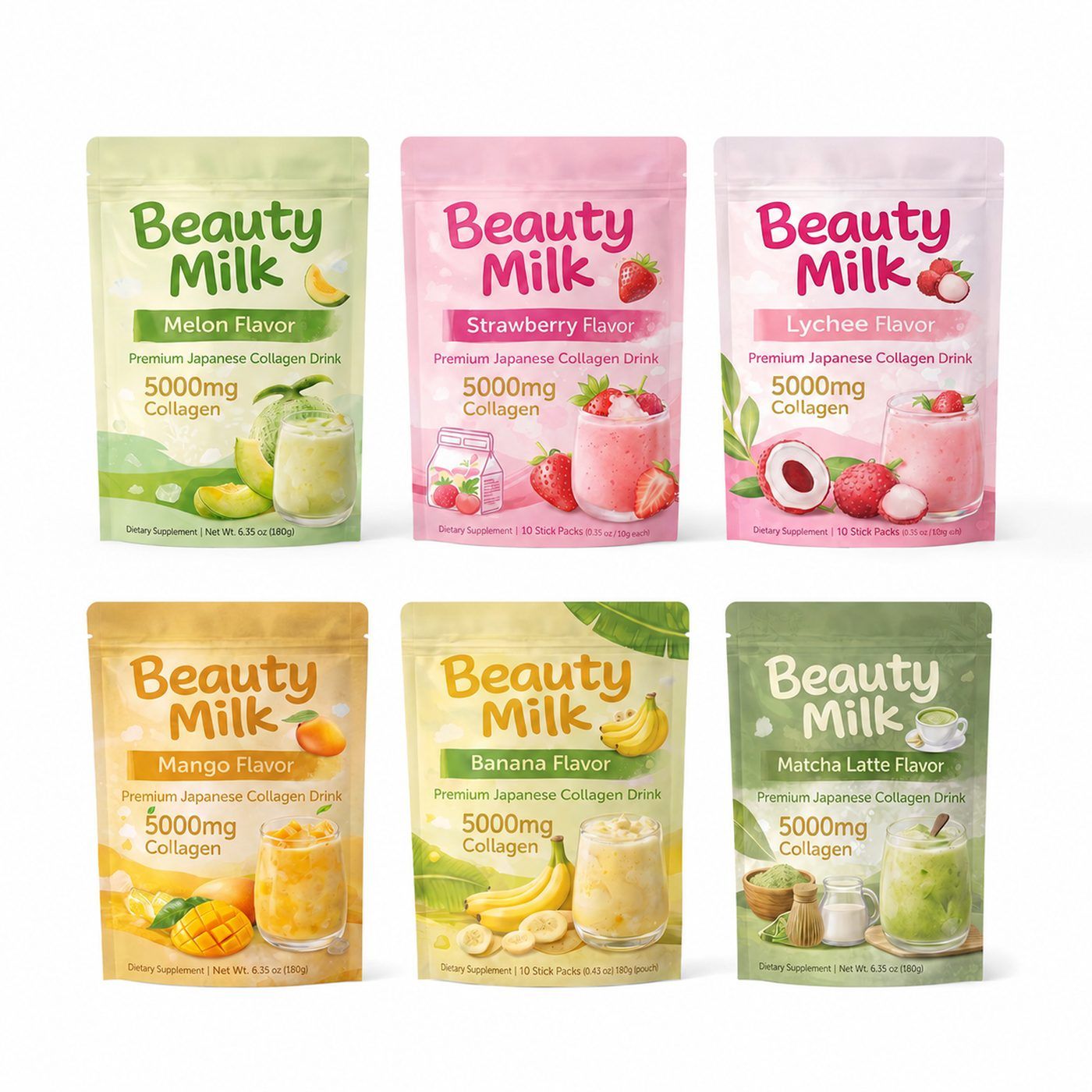
Brand owners treat a new flavour as a marketing event and an allergen declaration as a fixed fact. They are linked. Flavour houses reformulate carriers and solvents more often than actives change, and a carrier switch from sunflower to soy lecithin, or the introduction of a sesame-derived processing aid, changes your label without anything on your side changing at all. Put a re-declaration trigger on every flavour revision in the supply agreement.
Where this leaves your launch plan
Ask the allergen questions in the first factory conversation, not the last. The answers shape which formula you can build, which shell you should choose, which claims are affordable and which markets your artwork can serve from day one. A capable manufacturer has an allergen matrix, a written changeover procedure and a testing program ready to show, because it has been audited on them before and expects the question.
The brands that get hurt are the ones who wrote free-from onto artwork before asking what stands behind it, then spent their launch quarter on reformulation and reprints. Allergen control is one of those topics that feels like the factory's problem until the day it becomes your recall scenario. Settle it while the formula is still a spreadsheet.
Get the allergen answer before you print the label
Send us your target markets and the claims you want to make, and we will tell you which lines can run your product, what the declaration would look like, what the testing program costs per lot, and where the honest limits of the claim are.
What allergen control means for a supplement brand
- Allergen control is a physical program of segregation, scheduling, validated cleaning and declarations, not a certificate you attach to a purchase order.
- The active is rarely the allergen; lactose diluents, gelatin shells and soy lecithin carriers are where the Big Nine actually enter.
- The US list is nine allergens since sesame joined in 2023, the EU list is fourteen, and a label that passes one market can fail the next.
- ATP swabs prove cleaning, protein-specific swabs and ELISA prove the allergen question; ask which one your factory uses and where it validates recovery.
- Free-from is a paid program with a per-lot testing price; may contain is a disclaimer, not a control, and EU retail increasingly refuses it.
- A flavour revision can change your declaration without anything you control changing, so write a re-declaration trigger into the supply agreement.
Sources
Key takeaways
- Allergen control is a physical program: segregation, scheduling, validated cleaning and supplier declarations, verified by protein-specific methods.
- The active is rarely the allergen; lactose diluents, gelatin shells and soy lecithin carriers are where milk, wheat and soy enter the formula.
- The US declares nine allergens since sesame joined in 2023; the EU declares fourteen, and artwork must be designed against every target market's list.
- Free-from claims need validated controls plus a per-lot testing program; a may contain statement is a disclaimer and is increasingly refused by EU retail.
- A flavour or supplier change can alter the declaration silently, so re-declaration triggers belong in the supply agreement.
Frequently asked questions
Can a supplement manufacturer guarantee a product is completely allergen-free?
No credible factory guarantees zero. What a good program guarantees is that defined controls are in place and verified: allergen-free products scheduled first, validated changeovers between them, protein-specific verification, and per-lot testing against the allergens you claim. The claim should be worded around the program, for example produced on shared equipment with a validated cleaning procedure, rather than around an absolute that no shared-facility product can honestly carry.
How much does a free-from claim cost to maintain per lot?
Plan for three layers: line-side lateral flow swabs that cost a few dollars each, laboratory ELISA panels that commonly land in the low hundreds of dollars per allergen per lot, and the artwork and supplier declaration work that sits underneath. The exact number depends on how many allergens you claim against and how many lots you run per year, which is why the program should be scoped before the claim is approved rather than priced after the reprint.
Is a may contain statement legally required on supplements?
No. Precautionary allergen labelling is voluntary in both the United States and the European Union, and there is no defined threshold behind it. That is exactly the problem: it is a risk decision dressed as a label line. Regulators do not require it, but EU retail buyers increasingly treat it as evidence that controls are missing, so a statement that was meant to protect the brand can quietly cost it distribution instead.
Which capsule shell should I choose for an allergen or vegan claim?
If the claim involves animal derivatives, vegan positioning or Halal assurance, HPMC is the cleaner shell because it contains no gelatin. Be aware of what the change involves: HPMC runs at different machine settings than gelatin, behaves differently at low humidity, and can raise unit cost slightly. Gelatin remains the cheaper, better-studied option when the shell itself is not part of your claim. Decide the shell during development, because it determines which claims are reachable later.
Do I have to declare allergens that come from the flavour system?
Yes, and this is the gap most brand owners never see. Flavour compounds are proprietary, but their allergen content cannot be hidden behind trade secrecy: if a carrier, solvent or bitterness masker derives from a declared allergen, it belongs in your declaration. Require a full allergen statement from the flavour house for every compound, under NDA if needed, and re-collect it whenever the flavour is revised, because carriers are reformulated far more often than actives change.
Does sesame really need its own declaration on a US label now?
It does since January 2023, when sesame became the ninth major allergen recognised under United States law. The practical trap is legacy artwork and legacy specifications: a label printed before the change may list sesame only as a plain ingredient, and a spice blend or natural flavour that was previously undeclared can now carry a sesame-derived processing aid. If your product has been on the market since before the change, re-check both the artwork and every incoming specification.
Have a project in mind? We'll come back with MOQ, formula options and lead time within 24 hours.
Request a Quote