Recovery products are the part of the gym basket that renews itself
Private label sports recovery supplements sit at the end of the workout, where the shopper is tired, has already paid for a pre-workout and a protein tub, and is deciding whether one more product earns a permanent place in the gym bag. That position is commercially valuable for a simple reason: performance products are bought on motivation, and recovery products are bought on a schedule. A brand that owns the thirty minutes after training gets a reorder cycle measured in weeks rather than in new year resolutions.
The category also stacks better than any other part of sports nutrition. A protein tub, a creatine pouch and an electrolyte stick are consumed together, on the same days, by the same person, and each one makes the other two easier to justify. Three recovery SKUs at a 1,000-unit first run is a realistic launch for a new gym brand. Three SKUs of pre-workout is not, because nobody buys three stimulant products at once. That asymmetry is why recovery has become the default entry point for brands arriving in sports nutrition from fashion, wellness or marketplace e-commerce.
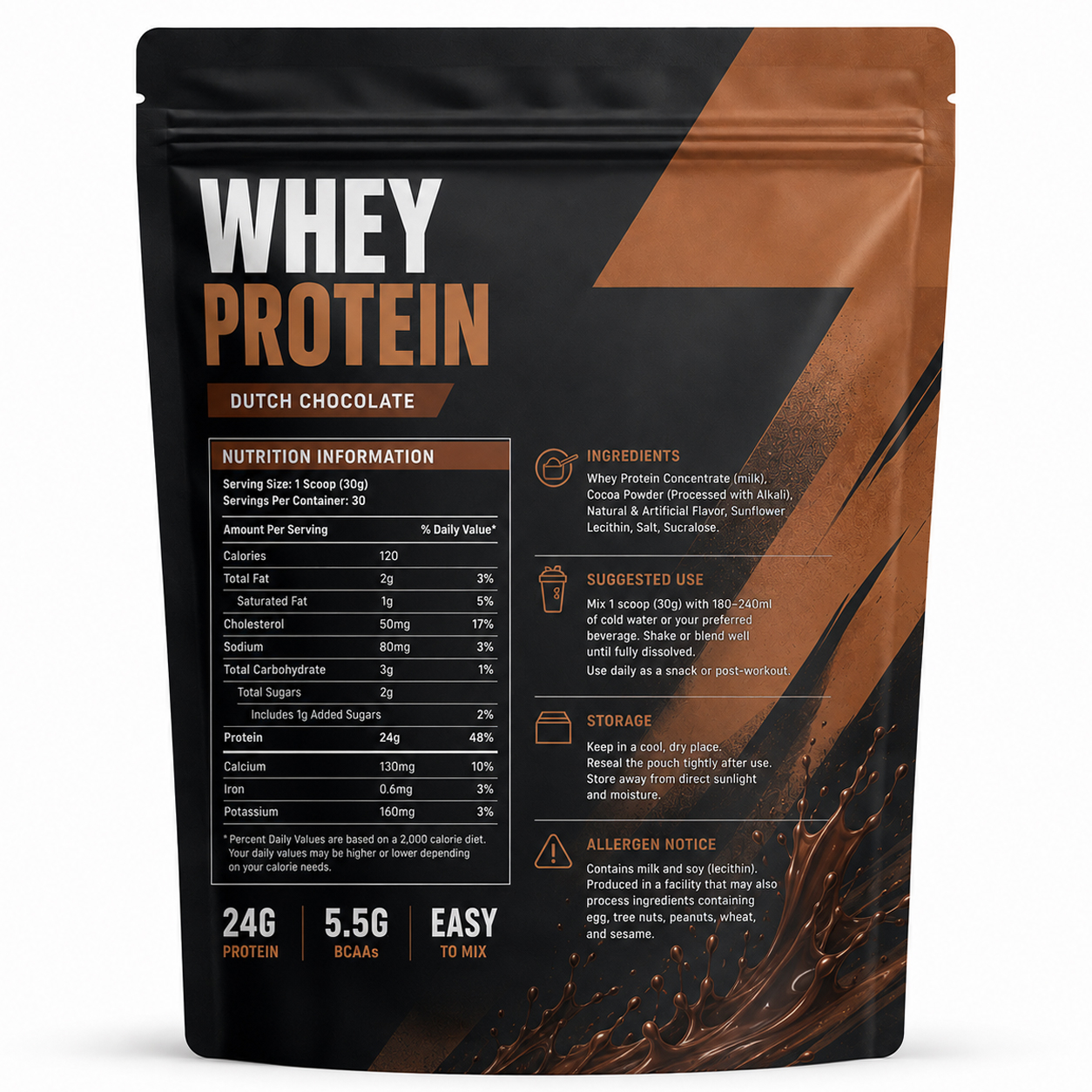
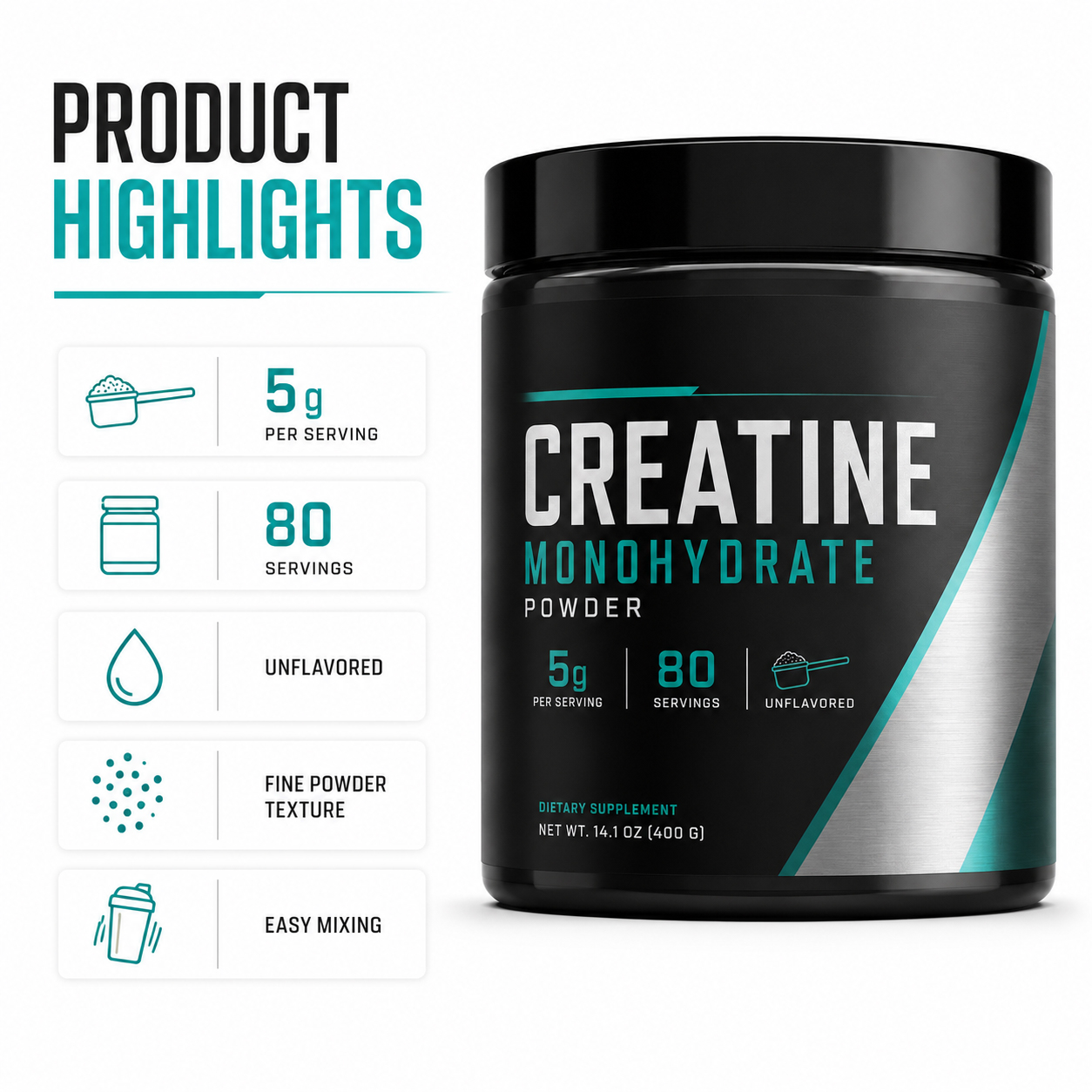
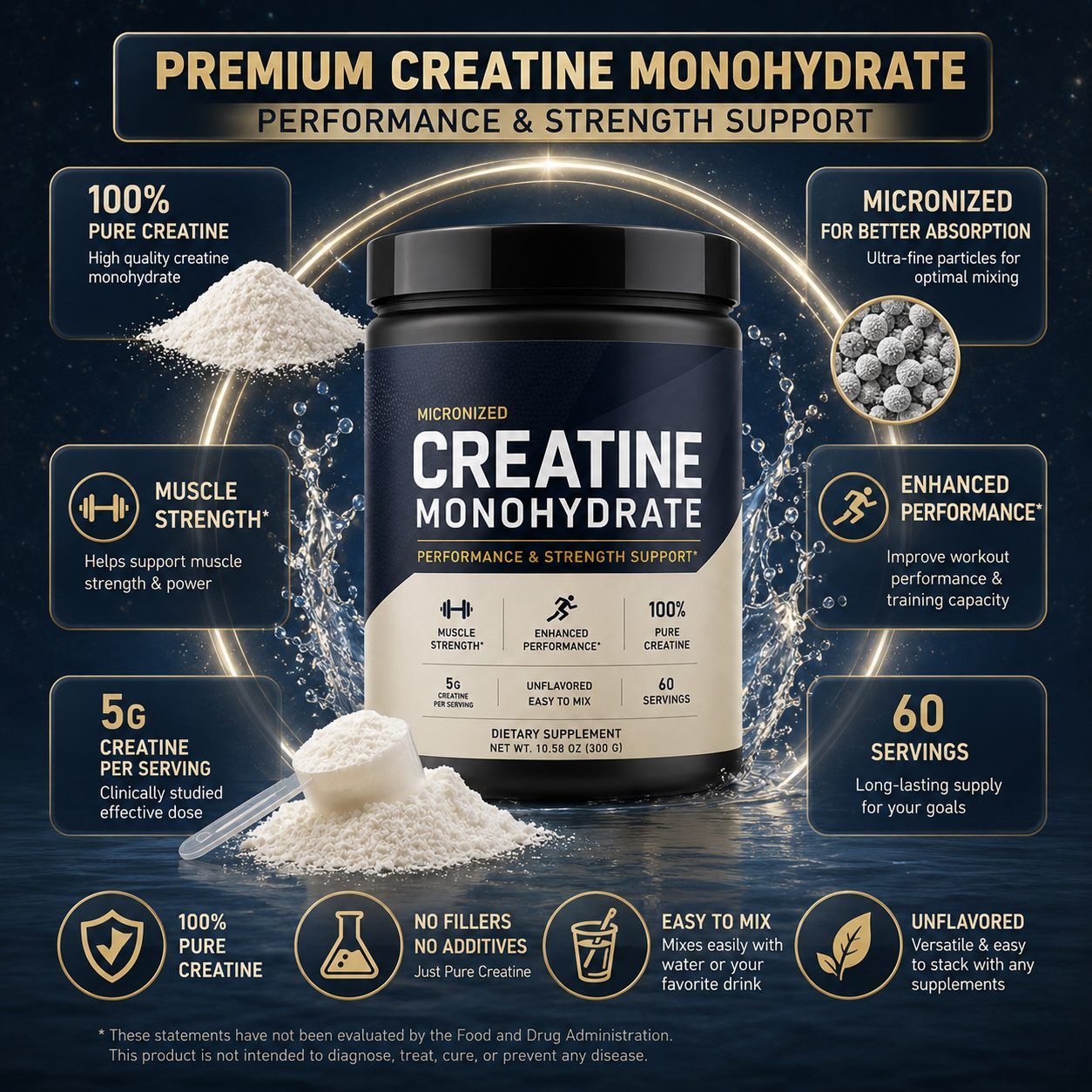
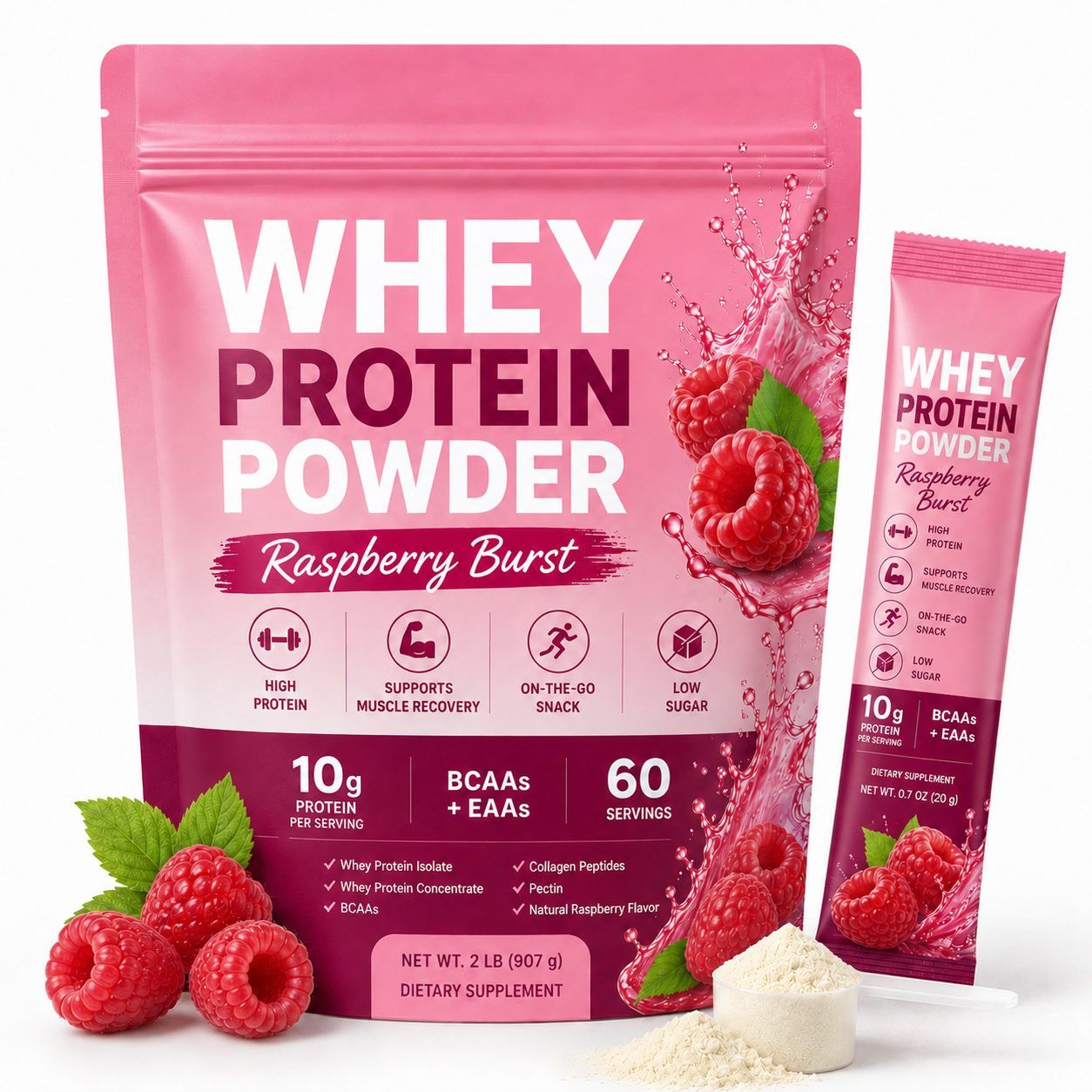
Our own sport lines follow the pattern: a whey protein powder at 24 g of protein per serving for the post-training meal, a creatine monohydrate powder at 5 g a day for strength and repeated efforts, and a strawberry kiwi electrolyte stick pack at 7.6 g for sessions that end wet. Each is a stock formula, each ships from 1,000 units, and together they answer the three reasons a customer opens the gym bag.
The dose arithmetic that decides whether a recovery product works
Every recovery claim worth making reduces to a threshold, and the thresholds are not negotiable. Muscle protein synthesis responds to a per-serving protein dose of roughly 20 to 40 g, with the response flattening above that, and the practical marker behind the range is leucine: about 2.5 to 3 g of leucine per serving is what switches the response on in most adults. Whey isolate is around 90% protein and leucine is roughly 10 to 11% of whey protein by weight, so 25 g of protein lands at 2.5 to 2.7 g of leucine. That is the arithmetic a recovery formula has to satisfy before flavour, packaging or price is discussed.
Now run the same arithmetic on a product that looks the part: a 20 g stick pack carrying 10 g of protein, which is what a large share of recovery sachets on the market actually deliver. Ten grams of protein from a whey isolate and concentrate blend carries about 1.1 g of leucine, well under half the threshold, so the shopper would need two and a half sticks to reach a dose that does anything measurable. The pack still says recovery, because the brand copied the headline from a 30 g scoop product and then specified a 20 g stick to hit a retail price. That decision, taken in a spreadsheet rather than in a formula, is the most common reason a recovery launch underperforms without anyone working out why.
| Active | Dose used in research | Common panel dose | What the evidence supports |
|---|---|---|---|
| Whey or casein protein | 20–40 g per serving | 10–25 g | Protein synthesis responds dose-dependently up to the leucine threshold; 25 g of isolate is the practical floor |
| Creatine monohydrate | 3–5 g daily, no loading required | 3–5 g | Strength and repeated high-intensity output; saturation takes three to four weeks at 3 g a day |
| HMB, calcium salt | 3 g of calcium HMB daily | 1–3 g | Modest benefit in untrained or calorie-deficit populations; weak in trained lifters eating enough |
| Tart cherry concentrate | 355 mL juice twice daily, or powder matched on anthocyanins | 300–500 mg of powder | Small trials on soreness and recovery markers; the dose on most panels is far below the trial dose |
| Collagen peptides plus vitamin C | 15 g collagen with 50 mg vitamin C, 30–60 minutes before loading | 2.5–10 g, often without vitamin C | Connective tissue collagen synthesis; no meaningful effect on muscle protein synthesis |
| Sodium | 500–1,500 mg per litre of sweat replaced | 150–300 mg per stick | Rehydration after sweat loss; the sodium dose, not the electrolyte count, does the work |
| Carbohydrate | 0.8–1.2 g per kg per hour in the first four hours | 5–15 g per serving | Glycogen restoration when sessions are close together; largely irrelevant for once-a-day training |
Read the third column against the second and the category's problem becomes visible. HMB, tart cherry and collagen are all sold at a fraction of the dose the trials used, and none of them is cheap enough to dismiss as a rounding error. The rule we apply before quoting a recovery SKU is blunt: either fund the dose the evidence needs, or take the ingredient off the panel and spend the money on protein. A panel with six underdosed actives sells worse than a panel with two that are honest, because the second one produces the reorder.
Protein, EAA or BCAA: three ways to fill the same recovery serving
Branched-chain amino acids became the default recovery ingredient because they are cheap, soluble and easy to flavour, and because 5 g of a 2:1:1 blend supplies 2.5 g of leucine, which looks like it clears the threshold on a spec sheet. It does not do the same job. Leucine is the trigger, but the other essential amino acids are the substrate, and a BCAA-only product provides neither the lysine, methionine, threonine nor tryptophan needed to actually build tissue. The critique published by Wolfe in 2017 made the point plainly and it has not been answered: BCAA supplementation in isolation is an incomplete protein at a premium price per gram.
A complete EAA blend is the better middle option for a recovery brand that wants an intra-workout product without the creaminess of whey. Ten grams of a well-built EAA blend at 30 to 35% leucine delivers 3 to 3.5 g of leucine plus the full essential set, dissolves clear at pH 3.5, and costs roughly twice what BCAA costs per kilo while still landing under a whey isolate on a per-serving basis. Whey remains the cheapest way to buy complete protein, which is why the recovery products that hold their price are built on isolate and use aminos as a flavour-led add-on rather than as the hero.
| Option | Leucine per serving | Complete essential profile | Ingredient cost per serving | Where it fits |
|---|---|---|---|---|
| BCAA 2:1:1, 8 g | 4.0 g | No | USD 0.10–0.15 | Flavoured intra-workout drink; not a protein replacement |
| EAA blend, 10 g | 3.0–3.5 g | Yes | USD 0.22–0.32 | Clear intra-workout sip; faster to drink than a shake |
| Whey isolate, 25 g protein | 2.5–2.7 g | Yes | USD 0.30–0.42 | The default post-training serving on cost and completeness |
| Whey concentrate, 25 g protein | 2.4–2.6 g | Yes | USD 0.22–0.30 | Value tubs where lactose tolerance is not a concern |
| Collagen peptides, 20 g | 0.4 g | No | USD 0.35–0.55 | Connective tissue support with vitamin C; never a muscle claim |
One honest note that surprises brand owners: the price difference between BCAA and whey isolate per serving is smaller than the marketing suggests, and it moves the wrong way once flavour and sweetener are counted. A 10 g BCAA scoop needs a heavier flavour load than a 30 g protein scoop because there is less powder to carry the acid and the bitterness. On a per-serving basis, the two products converge at retail, which is why so many BCAA launches end up priced like protein and sold like candy.
Creatine is the cheapest recovery ingredient on the shelf
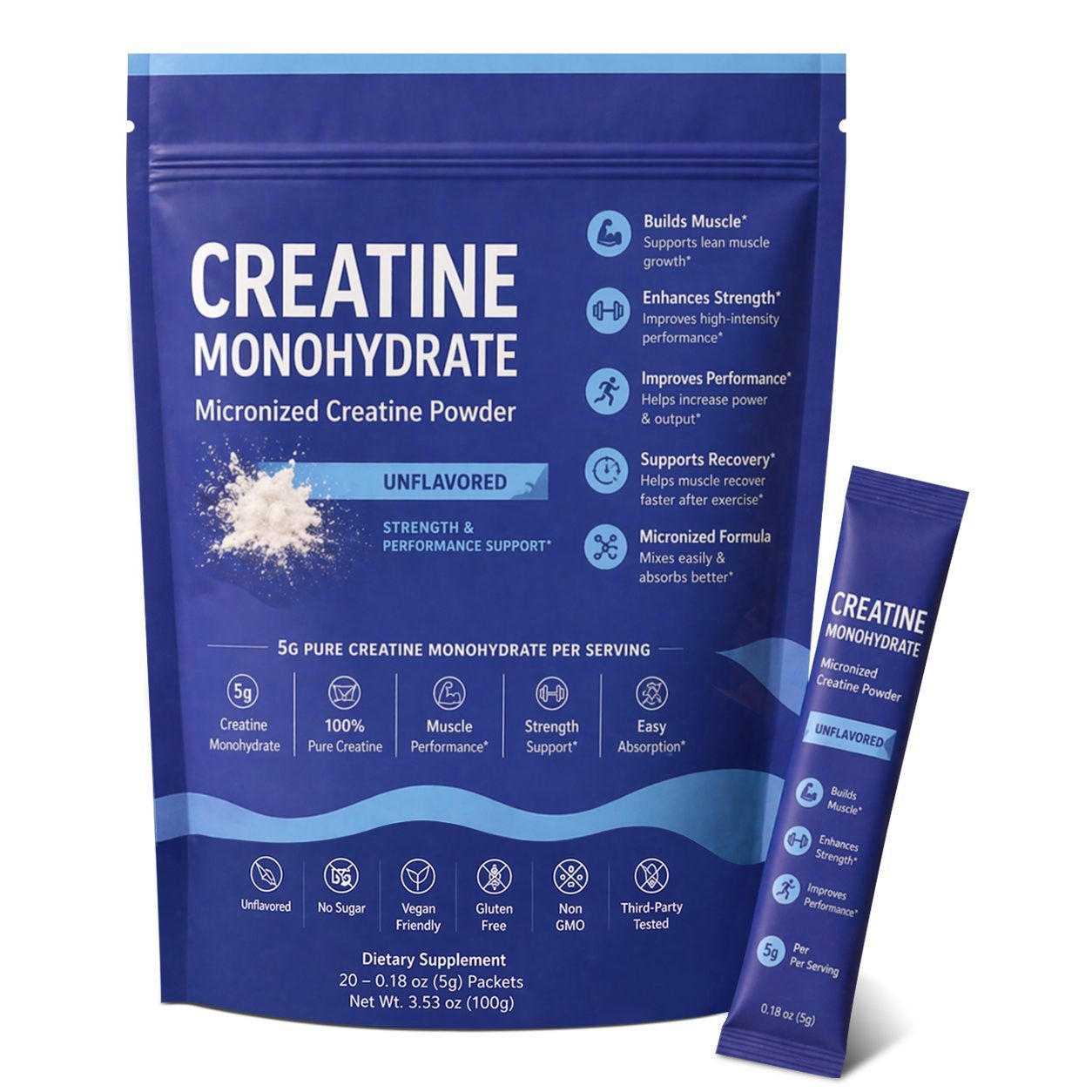
Creatine monohydrate at 5 g a day is the best value in the entire recovery category: a few cents per serving, a documented effect on strength and repeated high-intensity work, and a twenty-year safety record that makes the claim conversation easy in most markets. Saturation takes three to four weeks at 3 g a day, so the loading protocol of 20 g a day for five days is a convenience rather than a requirement, and a brand that skips it can say so honestly and save the customer a week of stomach discomfort.
The micronized claim deserves the same honesty. Smaller particles improve dispersibility and reduce the grit left at the bottom of a shaker; they do not improve absorption, because creatine monohydrate is already highly bioavailable and dissolves into solution in the stomach. That is a marketing difference, not a performance one, and a brand that says so on the product page reads as more credible than one that implies a pharmacokinetic advantage it cannot document.
The creatine formulation trap in a recovery beverage is aqueous. Creatine cyclises into creatinine in solution, and the reaction accelerates with heat and with time, so a ready-to-drink creatine beverage has to survive an assay at the end of a twenty-four-month shelf life rather than at release. In practice that means an overage large enough to be expensive, a pH and thermal process designed around the molecule, and a stability programme that measures creatinine as well as creatine. Dry formats avoid the whole problem, which is why every creatine project that ships cleanly is a powder, a stick or a capsule, and why the ready-to-drink creatine category is smaller than the marketing around it suggests.
When a stability programme covers a creatine product, ask for the creatinine value at release and at each pull. A total creatine assay can pass while a meaningful fraction has already converted, and in a beverage that conversion is invisible to the customer until the product stops working.
HMB, tart cherry and collagen: where the recovery evidence stops
HMB is the most expensive line on a recovery panel and the one most often oversold. Three grams of calcium HMB supplies about 2.4 g of HMB free acid, because the calcium salt carries roughly 80% active by weight, so a label that says 3,000 mg of calcium HMB is not the same product as one that says 3,000 mg of HMB. The free-acid form is dosed at 1.5 to 2 g for the same effect and costs more per gram. The evidence is real but narrow: benefits concentrate in untrained subjects starting a programme and in trained subjects eating in a deficit, and the effect in well-fed experienced lifters is small enough that a brand should think twice before making it the headline of a premium recovery SKU. On site, our calcium HMB capsules carry the full 3,000 mg per serving across three capsules, which is the dose the evidence needs rather than a token inclusion.
Tart cherry has the widest gap between the recovery study and the shelf. The trials that moved soreness and recovery markers used 355 mL of juice twice a day, which is roughly 700 mL of a fruit juice concentrate standardised to a known anthocyanin content. A 480 mg capsule of 4:1 powder represents under 2 g of fruit, and even a well-standardised 1% anthocyanin extract at 500 mg delivers a fraction of the trial dose. The category still works commercially because the story is good and the price is tolerable, but a brand that claims trial-level efficacy on a 480 mg capsule is exposed the moment a competitor with a lab background reads the panel.
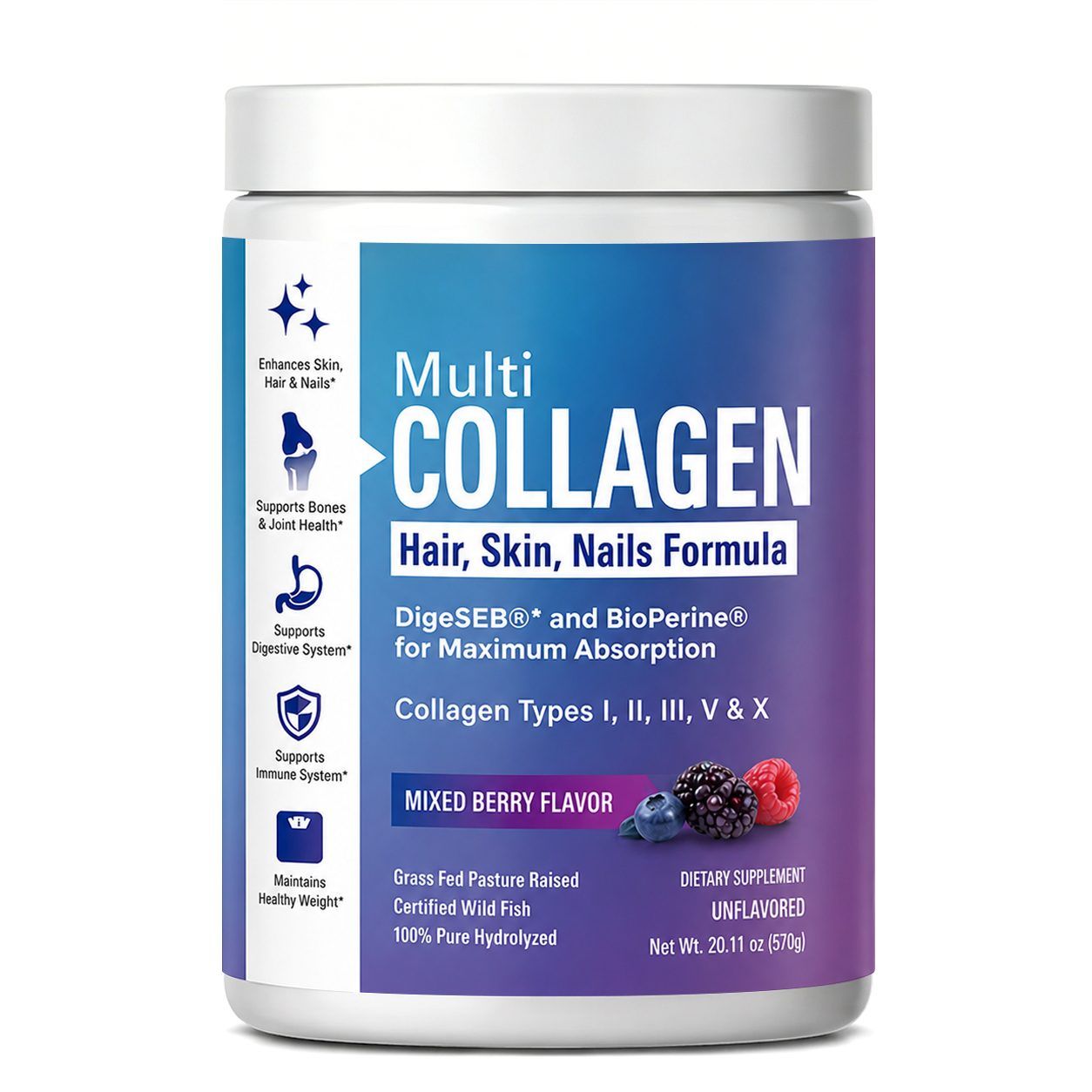
Collagen is the ingredient most often mis-filed. Fifteen grams of hydrolysed collagen with 50 mg of vitamin C, taken 30 to 60 minutes before a loading session, has reasonable support for connective tissue collagen synthesis in tendon and ligament. It has essentially none for muscle protein synthesis, because collagen is low in leucine and missing tryptophan entirely. Putting collagen in a recovery product is legitimate; putting it in the protein column of the panel, or letting the pack imply it builds muscle, is where brands get into trouble with both regulators and reviewers.
Rehydration is a sodium problem, not an electrolyte problem
Sweat is not salty in a uniform way. Sodium concentration in sweat runs from roughly 500 to 1,500 mg per litre in most athletes, with heavy salty sweaters above 2,000 mg, and the loss depends on genetics, acclimation, clothing and intensity. A 7.6 g electrolyte stick carrying 200 to 300 mg of sodium replaces a fifth to a half of a single litre of sweat, which is fine for a gym session in air conditioning and thin for a pre-season double day in August. The number to put on the brief is the sodium dose per serving, not the length of the electrolyte list.
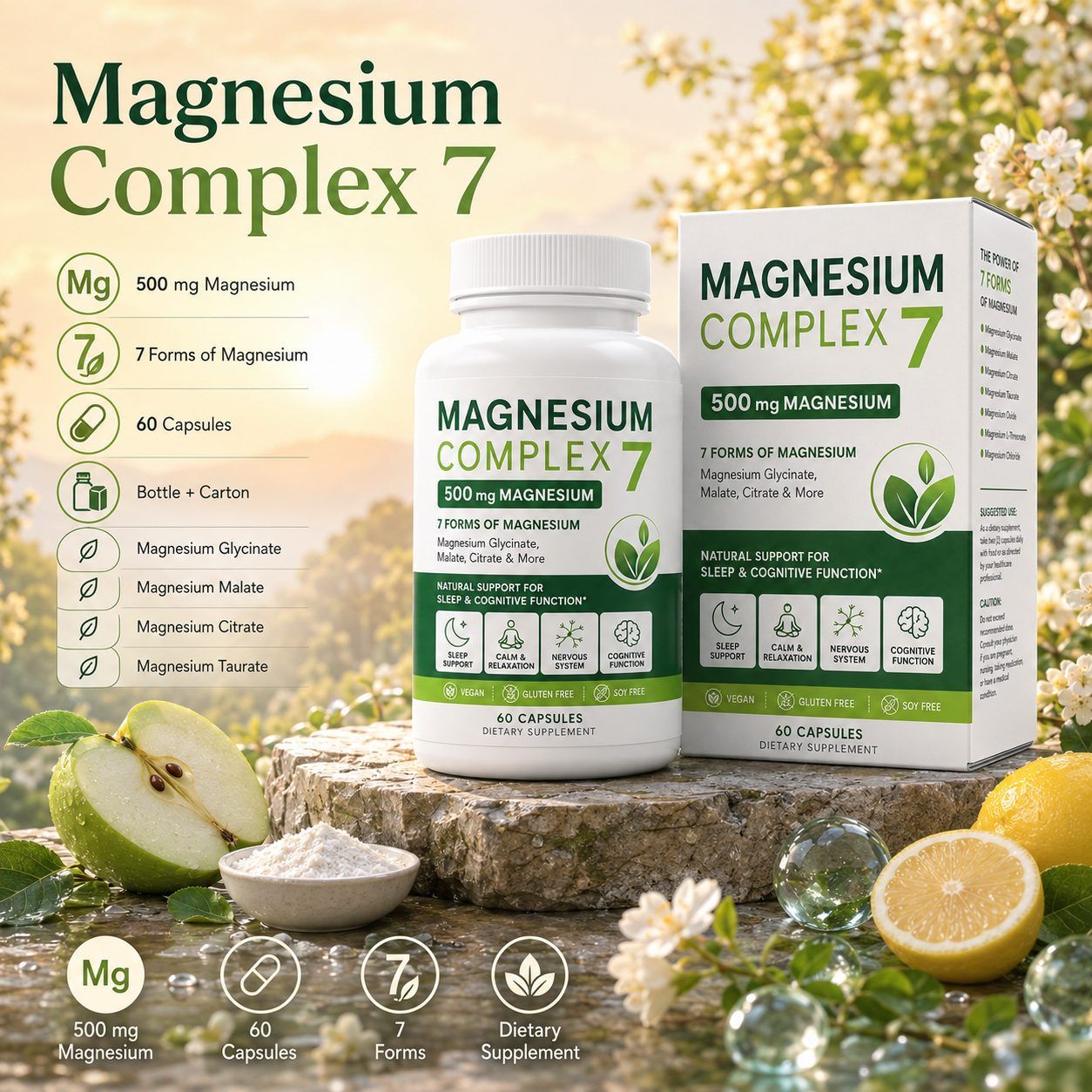
Two formulation details decide whether the sodium in a recovery drink is absorbed. Glucose matters: sodium crosses the intestinal wall through the SGLT1 co-transporter, which needs glucose alongside it, so a zero-carbohydrate electrolyte drink empties well but absorbs sodium more slowly than one with 1 to 2% carbohydrate. Osmolarity matters too: a drink above roughly 300 mOsm per kg slows gastric emptying and sits in the stomach, which is why heavily sweetened sports drinks fail exactly when they are needed. Potassium at 100 to 300 mg is a reasonable addition; magnesium is not a rehydration mineral and belongs in a sleep or cramp product, not in a recovery bottle aimed at sweat loss.
Format capacity writes the recovery range before the formula does
A recovery range is shaped by how much powder, liquid or capsule a format can carry. Twenty grams of protein needs a 22 to 25 g stick, a 30 g scoop or three large capsules; there is no way around the mass. For private label sports recovery supplements, that single constraint explains why capsules are a niche, why gummies can carry creatine but not protein, and why the ready-to-drink format keeps reappearing despite its cost: it is the only format that can put 25 g of protein and 500 mg of sodium in front of a customer with no preparation at all.
| Format | Realistic dose capacity | MOQ | Cost per serving, index | Best role in a range |
|---|---|---|---|---|
| Stick pack, 22–25 g | 20–25 g protein, or 5 g creatine plus electrolytes | 1,000 | 100 | Single-serve recovery; sampling; gym retail |
| Tub, 900 g–2 lb | 25–30 g protein per scoop | 1,000 | 78 | Subscription hero SKU; lowest cost per gram |
| Capsule, 3-capsule serving | 3 g HMB, 5 g creatine, or 1.5 g of a blend | 1,000 | 135 | Single-actives and travel packs; never protein |
| Gummy, 3 g | 500–1,000 mg creatine or 250 mg of an active | 3,000 | 160 | Entry product and add-on; not a dose-led hero |
| Ready-to-drink, 330–500 mL | 25–30 g protein plus electrolytes | 5,000 | 210 | Convenience retail and gym fridges; highest landed cost |
The chart explains most of the pricing decisions in the recovery category. Protein and collagen dominate the ingredient bill, HMB is the expensive add-on that has to earn its place, and creatine and electrolytes are close to free. A recovery SKU priced at a premium usually earns it through protein dose and packaging, not through the six-ingredient blend printed on the front. When a buyer asks why a competitor's tub costs less, the answer is almost always in this chart: less protein, more carrier, or a smaller scoop that quietly halves the serving.
Claims: recovery is not an authorised word in Europe
The claim map is where recovery ranges split by market. In the United States, recovery wording is structure and function language as long as it avoids disease and stays truthful, so a pack can say supports muscle recovery after exercise with the standard disclaimer. In the European Union the vocabulary is fixed by Regulation 1924/2006 and the authorised list, which gives protein the muscle mass wording, creatine the physical performance wording, and vitamin C the collagen formation wording, while HMB, tart cherry and BCAA have no authorised claim at all. A private label sports recovery supplements range sold in both markets therefore needs two claim sets: a European recovery product leads with protein grams and creatine, and lets the other actives sit in the ingredient list without a claim attached. The wider market-by-market picture sits in our guide to supplement regulations.
| Market | What the pack may say | What it may not say |
|---|---|---|
| United States | Supports muscle recovery after exercise; helps restore electrolytes lost in sweat, with the DSHEA disclaimer | Treats injury, prevents cramps, cures fatigue, builds muscle without training |
| European Union | Protein contributes to the growth or maintenance of muscle mass; creatine increases physical performance in successive bursts of short-term high-intensity exercise; vitamin C contributes to normal collagen formation | No authorised claim for HMB, tart cherry, BCAA or a recovery outcome as such |
| United Kingdom | Retained EU claim list with the same nutrient wordings and conditions of use | Same exclusions; recovery is descriptive, not a claim |
| Japan | Foods with Function Claims pathway with notified, evidence-backed wording | Drug-like recovery or injury claims outside the notified scope |
| Gulf and Southeast Asia | Registration-dependent nutrient and sports wording, generally permissive on protein and electrolytes | Therapeutic wording and unsubstantiated performance promises |
The EU creatine claim has a condition attached that brands routinely miss: it applies at 3 g of creatine a day, which a 5 g serving clears but a 1,000 mg gummy does not. That is the difference between a compliant gummy and one that quotes a claim it cannot support, and it is decided at the formula stage, long before artwork.
SKU architecture, flavour count and the cost of saying yes in a recovery range
The most expensive word in a recovery brief is a fourth flavour. Each flavour carries its own 1,000-unit minimum, its own stability pull, its own label version and its own changeover on the stick line, and the changeover cost is what makes a five-flavour launch from a new brand uneconomic. Two flavours at launch, chosen from opposite ends of the taste map, cover most of the market: one berry or citrus for the mainstream, one unflavoured or lightly sweetened for the customers who mix with their own shake. A third flavour is a second-year decision based on sell-through, not a first-run one, and most private label sports recovery supplements briefs we see arrive with five flavours and leave with two.
Flavour also drives the cost of a private label sports recovery supplements formula more than most buyers expect. A 25 g protein stick needs enough sweetener and acid to mask whey notes, and the sweetener system is usually the second-largest cost line after the protein itself. Stevia at high purity reads clean but costs several times what sucralose does, and a natural-positioned brand pays for that choice on every stick. The honest way to present it in a quote is to show both versions, because the difference per serving is small enough to be invisible on a shelf price and large enough to matter across 50,000 units.
MOQ, lead time and the testing a recovery brand forgets
For private label sports recovery supplements, the standard terms across our powder, capsule and stick lines are 1,000 units for a stock formula, samples in 7 to 10 days, about 15 working days of production after material release, and a 24-month shelf life supported by accelerated stability at 40°C and 75% relative humidity. Gummies start at 3,000 units and ready-to-drink projects at 5,000, because moulding and filling setups dominate the first run. Our guide to MOQ and lead times maps where the weeks actually go, and the unit cost breakdown shows how the six cost buckets behave at 1,000 versus 10,000 units.
The testing item that recovery brands underestimate is banned-substance certification. Selling into gyms, sports retail or anywhere near organised sport means a lot-level programme, not a one-off certificate, and the cost runs to several thousand dollars per SKU per year plus the lab fees on every batch. It also constrains the supply chain: a certified manufacturer needs segregated storage, dedicated scooping where possible and full traceability on every raw material lot, which is why a certified recovery line quotes differently from a general supplement line. Brands that plan for it from the first run avoid the far more expensive discovery that their best-selling SKU cannot be listed by the retailer they wanted.
The formulation side of the same question lives in our protein powder manufacturing guide and the creatine monohydrate guide, which cover the raw material grades and the assay arithmetic in more detail. If the format is still open, the dosage form comparison explains where each one hits its dose ceiling, and the powder category lists what we currently run as stock formulas.
A recovery launch checklist
Before a private label sports recovery supplements brief goes to a quote, ten items are usually still open. None of them is expensive to fix at the brief stage and every one of them is expensive to fix after the first batch.
- Set the protein dose from the leucine threshold first: 25 g of isolate is the practical floor for a post-training serving.
- Check that the recovery stick or scoop can physically carry that dose before quoting a retail price; a 20 g stick cannot.
- Decide whether the product is complete protein or an amino drink, and never label BCAA as a protein replacement.
- Fund HMB at 3 g of calcium salt or leave it out; a 1 g token dose is visible to any informed recovery buyer.
- Match tart cherry to anthocyanin content, not to fruit-equivalent marketing, if the soreness claim matters.
- Treat creatine as a dry-format ingredient unless the stability programme explicitly covers creatinine at 24 months.
- Write the sodium dose per recovery serving against the sweat loss it is meant to replace, not against the electrolyte count.
- Add 1 to 2% carbohydrate to an electrolyte drink if sodium absorption is the goal rather than a zero-calorie claim.
- Choose the claim market before artwork: the EU wording for protein, creatine and vitamin C is narrower than the US wording.
- Plan the recovery line's banned-substance programme with the first run, not after the first retail listing is refused.
Building a recovery range?
Send the panel, the format and the destination market for your private label sports recovery supplements line. We will return a dose arithmetic check, a claim wording review and a landed cost estimate, usually within two working days.
What to lock before briefing a recovery manufacturer
- Recovery protein dose is a leucine calculation: 25 g of whey isolate lands at 2.5 to 2.7 g of leucine, and 10 g of protein in a 20 g stick does not.
- BCAA clears the leucine number without the substrate; EAA or whole protein is the honest base for a recovery product.
- Creatine at 5 g a day is the cheapest effective ingredient in a recovery stack, and it belongs in a dry format.
- HMB, tart cherry and collagen are usually dosed below the trials that made them famous; fund the dose or drop the line.
- Sweat sodium runs 500 to 1,500 mg per litre, so a 200 mg stick is a light session product, not a hot-weather one.
- Recovery MOQ is 1,000 units, samples in 7 to 10 days, production around 15 working days, 24-month shelf life with accelerated stability.
References
Key takeaways
- Recovery products earn a reorder cycle rather than a resolution, which is why three stackable SKUs beat three stimulant launches.
- The leucine threshold decides the protein dose: 2.5 to 3 g per serving, which means 25 g of whey isolate and not a 20 g stick carrying 10 g.
- BCAA supplies the trigger without the substrate; EAA blends and whole protein are the defensible base for a recovery formula.
- Creatine at 5 g a day is the cheapest effective ingredient in a recovery stack, and it must stay dry because it converts to creatinine in solution.
- HMB, tart cherry and collagen are routinely dosed below their trial doses, and the arithmetic is easy for an informed buyer to check.
- Sweat sodium at 500 to 1,500 mg per litre exposes most 200 mg electrolyte sticks as light-session products.
- MOQ 1,000 units, samples in 7 to 10 days, production around 15 working days, 24-month shelf life with accelerated stability support.
Frequently asked questions
Can you manufacture a private label recovery powder with 25 g of protein per stick?
Yes. A 25 g protein dose needs a 28 to 30 g stick, because whey isolate is around 90% protein and the flavour, sweetener and flow agent take the rest of the mass. We run 22 to 30 g stick formats on the same line, so the decision is a retail price decision rather than a technical one. Below 25 g of protein we would recommend a tub or a two-stick serving instead of a smaller sachet.
What is the MOQ for private label sports recovery supplements?
1,000 units for stock powder, capsule and stick formulas, with samples in 7 to 10 days and production of about 15 working days after material release. Gummies start at 3,000 units and ready-to-drink formats at 5,000, because moulding and filling setups dominate the first run. Shelf life is typically 24 months, supported by accelerated stability at 40°C and 75% relative humidity.
Can creatine go into a ready-to-drink recovery beverage?
It can, but it needs a stability programme built around creatinine rather than a standard assay. Creatine cyclises into creatinine in water, and heat and time accelerate the reaction, so a 24-month beverage needs an overage, a process designed around the molecule and a stability pull that measures the degradation product. Most brands are better served by a 5 g stick or a powder, which avoids the problem at no cost.
Is BCAA enough for a post-workout recovery product?
No. A 2:1:1 BCAA blend at 8 g supplies about 4 g of leucine, which clears the leucine threshold, but it supplies none of the other essential amino acids needed to build tissue. It works as a flavoured intra-workout drink and as a light option for customers who dislike shakes. For a product whose claim is recovery, an EAA blend or 25 g of whey protein is the defensible base.
How much sodium should a recovery electrolyte stick contain?
It depends on the session. Sweat sodium runs 500 to 1,500 mg per litre, with heavy salty sweaters above 2,000 mg, so a stick carrying 200 to 300 mg suits an air-conditioned gym session and falls short in heat. For a hot-weather or double-day product we would build 500 to 800 mg of sodium per serving with 1 to 2% carbohydrate to support sodium absorption through the SGLT1 co-transporter.
Which recovery claims are allowed in the European Union?
Only the authorised nutrient wordings. Protein may claim a contribution to the growth or maintenance of muscle mass, creatine may claim an increase in physical performance in successive bursts of short-term high-intensity exercise at 3 g a day, and vitamin C may claim a contribution to normal collagen formation. HMB, tart cherry and BCAA have no authorised claim, so European packs lead with protein grams and creatine and keep the other actives in the ingredient list.
Have a project in mind? We'll come back with MOQ, formula options and lead time within 24 hours.
Request a Quote